
Why Do Infants Smile During Sleep? The Science Explained
This post contains affiliate links. As an Amazon Associate we earn from qualifying purchases.
Infants smile during sleep because their developing brains are active, particularly during a sleep stage called active sleep. Research shows these spontaneous smiles are linked to brain activity and eye movement patterns, not dreams or gas. A 2020 video study found 377 out of 383 recorded newborn smiles happened during active sleep, with a median duration of about 1⅓ seconds.
That specific timing and sleep-stage link is the mechanical answer. It tells you what’s happening, but it doesn’t tell you why it matters for your baby’s development or how to tell a normal sleep smile from something else.
What follows: the peer-reviewed evidence that separates reflexive smiles from emotional ones, the critical role of the cerebral cortex, and the exact timeline when smiles shift from a sleep phenomenon to a waking social tool. You’ll also learn the one medical red flag that has nothing to do with smiling.
Key Takeaways
- Newborn sleep smiles are spontaneous, lasting a median of 1⅓ seconds, and occur almost exclusively during active sleep with rapid eye movements.
- These smiles are generated by the cerebral cortex; smiling is absent only in infants with near-total absence of cortical brain tissue.
- Social smiles, used to interact with caregivers, develop around 2 months and are distinct from earlier spontaneous sleep smiles.
- Left-sided asymmetrical smiles are significantly more common than right-sided ones in newborns, a finding linked to early brain lateralization.
- A sleep smile is normal; a sudden loss of this behavior paired with other symptoms warrants a pediatrician visit.
The Science of Sleep Smiles
Infant sleep isn’t a blank state. It’s a period of intense neurological activity, and smiling is a visible signal of that internal work. The key stage is active sleep, the infant equivalent of adult REM sleep. During this phase, an infant’s eyes move rapidly beneath closed lids, and brain waves are busy, but unlike adults, their bodies aren’t paralyzed. This allows small movements, twitches, sucks, and smiles, to surface.
A 2020 video polysomnographic study recorded 383 smiles in newborns. Of those, 377 occurred during active sleep, a statistically significant link (p < .0001). The smiles were also tightly coupled with bursts of rapid eye movement.
This isn’t about dreaming in the way adults understand it. A newborn’s brain is still building its foundational wiring. Researchers theorize these spontaneous smiles, generated in the cerebral cortex, help exercise the facial neuromuscular pathways. It’s a built-in drill for the muscles your baby will later use to communicate joy to you.
The zygomatic major muscle pulls the lip corners up. In sleep, this action is involuntary. In a social smile weeks later, it will be paired with eye constriction (the Duchenne smile) and directed at your face. The sleep version is the prototype.
What the Research Says About Smile Timing and Asymmetry
The numbers from primary studies give us a precise, non-commodity picture that general articles miss. Let’s look at the data.
A foundational 2009 study of healthy, sleeping neonates clocked the median duration of a bilateral Duchenne smile at 1⅓ seconds. Half of the babies in the study showed these full-faced smiles. This specific measurement is important, it tells you these are fleeting, automatic expressions, not sustained grins.
The 2020 study added a layer on smile asymmetry. It found that when smiles were lopsided, left-sided smiles were significantly more frequent than right-sided ones (p < .0001). This isn’t a random finding. It points to very early brain lateralization, where one hemisphere may be more active in generating these spontaneous expressions. For parents, it means a crooked smile during sleep is normal and might even be a sign of typical neurological development.
| Research Finding | Specific Data | What It Tells Parents |
|---|---|---|
| Sleep Stage Link | 377/383 smiles in active sleep (p < .0001) | Smiles are a normal part of sleep architecture, not a sign of waking. |
| Smile Duration | Median 1⅓ seconds for bilateral smiles | Expressions are brief and reflexive, not prolonged. |
| Facial Asymmetry | Left-sided smiles > Right-sided (p < .0001) | A lopsided smile is a common, documented pattern. |
| Cortical Requirement | Smiling absent only with near-total cortex loss | The behavior is a marker of specific, higher-level brain function. |
Where this goes sideways: Assuming a sleep smile means your baby is having a happy dream. The evidence suggests it’s a motor program running, not an emotional response to narrative dream content. The emotional layer comes later.
The Critical Role of the Cerebral Cortex
The most compelling evidence for where sleep smiles originate comes from studying exceptions. The 2020 research included three infants with major congenital brain abnormalities. Two infants had hydranencephaly (where most of the cerebral hemispheres are absent), and one had a left hemispherectomy (surgical removal of one brain hemisphere).
The results were striking. Smiling during active sleep was absent only in the infant with total hydranencephaly, where nearly all cortical tissue was missing. The infant with a left hemispherectomy still smiled. This is a powerful clue.
It tells us that the cerebral cortex, the outer layer of the brain, is necessary for generating these spontaneous smiles. The basic brainstem might keep the body alive, but the cortex orchestrates this complex facial expression. When you see your newborn smile in sleep, it’s a tangible sign that this critical part of their brain is online and practicing.
This finding reframes the old idea of smiles as purely “reflexive” or “gas.” A true reflex, like a knee jerk, doesn’t require the cortex. A newborn’s sleep smile is more sophisticated than that. It’s a pre-wired, cortex-driven behavior that forms a bridge to later social capacity.
Spontaneous vs. Social Smiles: A Developmental Timeline
Not all smiles are created equal, and the timeline of their emergence is one of the most reliable sequences in early childhood development. Confusing the two types is how parents sometimes misread their baby’s cues.
Spontaneous (Reflexive) Smiles (Birth – 6-8 Weeks)
- When they happen: Almost exclusively during drowsiness or sleep, particularly active sleep.
- What they look like: Often bilateral, brief (~1-2 seconds), and usually involve a closed mouth. They can be asymmetrical.
- The cause: Internal neurological activity, not external social stimulation.
- Their job: To practice and strengthen the facial neuromuscular pathways.
Social (Responsive) Smiles (6-8 Weeks Onward)
- When they happen: While awake and alert, in response to a familiar face, voice, or pleasing sight.
- What they look like: Longer, more open-mouthed, frequently paired with eye engagement (the “Duchenne” smile involving cheek raises).
- The cause: External, social stimulation. The baby is actively communicating.
- Their job: To bond with caregivers and engage in social interaction.
The shift from spontaneous to social smiling is a major developmental milestone. It marks the point when your baby’s brain can connect a feeling of pleasure with a specific external trigger (you!) and deliberately use a facial expression to communicate. If you’re wondering when to start using safe baby pillows for propping during supervised play, it’s around this same timeframe when social engagement blooms.
The part nobody mentions: You can’t “teach” a social smile before the brain is ready. Making faces and talking to your newborn is still vital for bonding, but that first real, directed grin will appear on its own schedule when the neural wiring is complete.
When to Talk to a Pediatrician
 Sleep smiles are a sign of normal neurological activity. Their absence in a healthy newborn isn’t automatically a concern. However, understanding the research gives us clear parameters for when a smile, or its disappearance, might signal something needing a professional look.
Normal Patterns (No Worry Needed)
- Smiles occurring only during sleep or drowsy states in the first month.
- Brief, fleeting smiles that last a second or two.
- Asymmetrical or lopsided smiles.
- A gradual decrease in sleep smiles after 6 months as social smiling takes over.
Potential Red Flags (Mention to Your Pediatrician)
- A sudden, complete stop in all smiling (sleep and awake) in a baby who previously smiled.
- No social smile by 3 months of age. This is a recognized developmental screening marker.
- Smiles that are accompanied by stiffening, jerking movements, or eye-rolling.
- Any facial asymmetry that is constant (present when the face is at rest), not just during a smile.
The study on congenital abnormalities provides the clever medical insight: since smiling requires an intact cerebral cortex, a profound loss of this behavior could, in rare cases, point to a neurological issue. This is why pediatricians track smiling as part of well-child visits. It’s a visible, functional check on brain development.
For parents focused on creating a safe sleep space, this knowledge is separate from choosing safe pillows for babies or pillows for flat head prevention. Sleep safety is about the physical environment; smiling is about internal neurology. Both matter, but they operate on different rules.
How to Support Your Baby’s Developing Smile
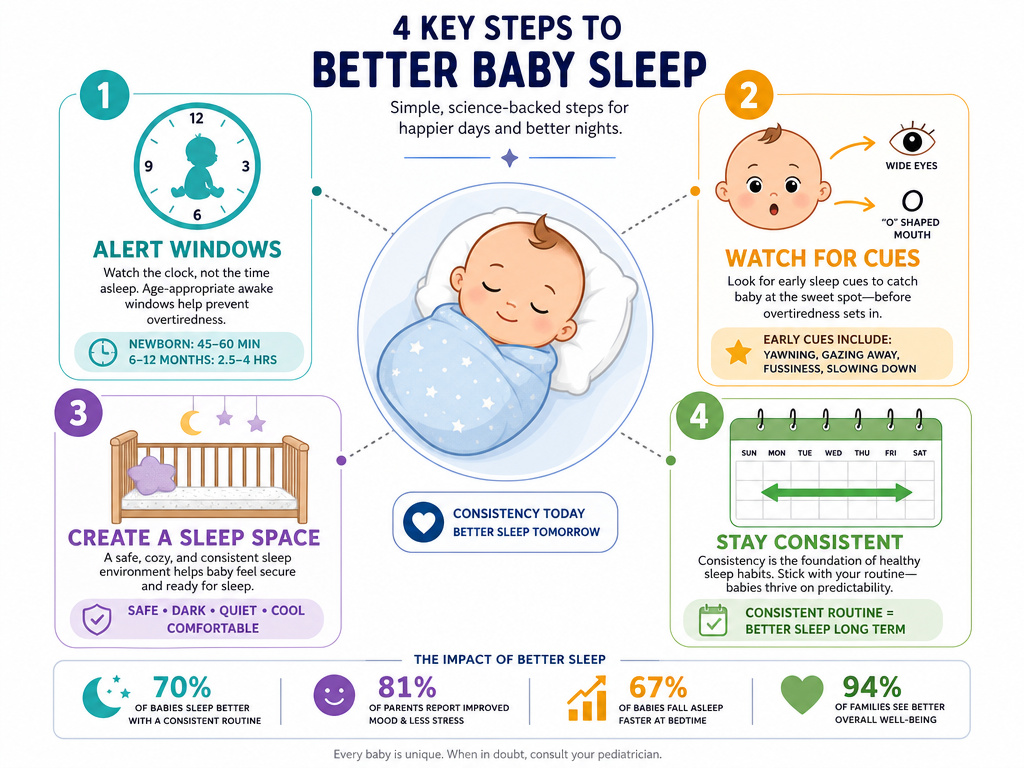 You can’t force a smile, but you can cultivate the conditions that make social smiling more likely to flourish when the time is right. It starts with responsive care and a comfortable environment.
- Engage During Alert Windows. When your baby is awake, calm, and looking around, get face-to-face. Make gentle, exaggerated happy faces. Talk in a warm, high-pitched voice. This provides the social fuel their developing brain is starting to map.
- Watch for Early Cues. Before the full social smile emerges, you might see your baby’s eyes widen, their mouth make an “o” shape, or their face still as they focus on you. Respond to these early engagement signals.
- Ensure Comfort. A baby who is overly tired, hungry, or gassy is less available for social interaction. Meeting basic needs is the first step to creating a state where smiling can occur. A comfortable sleep space with appropriate nursery pillows for your own use during feeding can support these calm moments.
- Don’t Stress the Schedule. If your friend’s baby smiled at 7 weeks and yours hasn’t at 9 weeks, it’s usually not a problem. The range for this milestone is wide. Focus on overall engagement, does your baby quiet to your voice? Do they look at your face?
Easy to miss: The best way to encourage a smile is to smile yourself. Babies are hardwired to find human faces, especially smiling ones, fascinating. Your own joyful expression is the most powerful trigger.
As your child grows into a toddler, their sleep needs and comforts evolve. The journey from spontaneous sleep smiles leads to choosing the first toddler pillows or children’s pillows that support their new sleeping positions and need for security, perhaps even a body pillows for kids.
Frequently Asked Questions
Are sleep smiles a sign of gas?
No. While gas can cause a grimace or a pained look, the specific, documented sleep smiles studied in research are linked to active sleep brain patterns, not digestion. The timing and facial muscle involvement are different.
Can babies have happy dreams?
Experts cannot say for sure what newborns dream about, if they dream narratively at all. The brain activity during active sleep is likely processing sensory experiences and building neural connections. The smiles we see are probably not emotional reactions to dream stories but byproducts of this essential neurological housekeeping.
Why does my baby smile more in their sleep than when awake?
This is completely typical for the first two months. The brain circuits for spontaneous, internally generated smiles mature before the circuits that allow a baby to consciously control smiling in response to you. The awake social smile is a more complex cognitive feat.
Should I wake my baby if they’re smiling in their sleep?
No. Resist that sweet temptation. Smiles occur during active sleep, a crucial stage for brain development. Interrupting sleep breaks this important cycle. Enjoy the moment, take a mental picture, and let them rest.
When should I be concerned about my baby not smiling?
Mention it to your pediatrician if your baby shows no social smiles in response to your face or voice by 3 months of age. Also, discuss any sudden loss of smiling they previously did. For context on other sleep behaviors, the Sleep Foundation baby sleep guide offers a broad overview of normal infant sleep patterns.
The Bottom Line
Your infant’s sleep smile is a 1⅓-second glimpse into their active, developing brain. It’s a spontaneous practice run generated by the cerebral cortex, not a response to gas or a happy dream. By around 2 months, this reflex transforms into the social smile that lights up their face, and yours, during awake, engaged moments.
Trust the science. A lopsided, fleeting sleep smile is normal. Its presence is a quiet sign of neurological health. Your role isn’t to manufacture grins but to provide the warm, responsive care that gives those first real smiles a reason to happen. When they do, you’ll know the difference immediately. It’s the smile that looks for you.
