
The Main Difference Between a Duvet and a Comforter Guide
This post contains affiliate links. As an Amazon Associate we earn from qualifying purchases.
A duvet is a two-piece bedding system: a fluffy insert that slips inside a removable, washable cover. A comforter is a single, quilted blanket used as-is. The duvet’s cover is easier to clean and change for style; the comforter offers grab-and-go simplicity but is bulkier to wash and wears out faster.
That removable cover is the whole game. It turns a five-year bedding purchase into a ten-year one because you’re washing the thin cover weekly, not the thick insert. The comforter gets washed in full, which wears down its stitching and fill every time.
What follows is the breakdown that matters for a kid’s room: which system survives spills, grows with their style, and doesn’t become a laundry-day monster. We’ll cover the three specs that decide warmth, the one sizing mistake everyone makes with bunk beds, and how to spot when it’s time for a replacement.
Key Takeaways
- A duvet system (insert + cover) typically lasts 5–10 years because the cover protects the insert; a comforter wears out faster as the entire piece is washed repeatedly.
- For year-round use, look for a duvet insert with a fill power between 400 and 600; comforters rarely advertise fill power, making warmth a guessing game.
- Always measure your mattress thickness, especially for bunk beds or deep mattresses; a standard size duvet or comforter will leave the sides exposed.
- You can use a comforter as a duvet insert in a pinch, but sizing mismatches are common, the comforter must be slightly larger than the cover’s interior dimensions.
- Most residential washers cannot properly clean a king-size duvet insert or bulky comforter; check your machine’s capacity (in cubic feet) before attempting.
The Core Difference: Two Pieces vs. One
The physical difference is simple. A duvet is a pillowcase for your blanket. You have a plain, fluffy insert, often white, that slides into a decorative, removable duvet cover. A comforter is a finished product. Its decorative fabric is quilted directly to the filling, so it’s one complete layer.
A duvet insert paired with a cover is a protective system. The cover absorbs daily wear, spills, and washes, preserving the loft and integrity of the more expensive insert underneath. This separation is why high-quality duvets can last a decade.
This isn’t just about looks. The two-piece design changes the maintenance math completely. With a duvet, you strip the cover and wash it with the sheets. The insert might only need washing once or twice a year. A comforter goes into the wash whole, every time. The agitation, spin cycles, and heat gradually break down the internal baffles and flatten the fill.
The comforter’s advantage is immediacy. You buy it, you put it on the bed, you’re done. There’s no wrestling with a cover or aligning corners. For a guest room or a teen who changes their mind weekly, that simplicity has real value. But for a child’s primary bed, where spills and stains are a question of “when,” not “if,” the easy-wash cover is a logistical necessity.
Duvet vs. Comforter: A Side-by-Side Breakdown
| Feature | Duvet (Insert + Cover) | Comforter |
|---|---|---|
| Construction | Two pieces: plain insert + removable cover | One single, quilted piece |
| Primary Use Case | Long-term bedding, kids’ rooms, easy style changes | Guest rooms, simple setups, layered bed styling |
| Washing & Care | Wash the cover frequently; insert rarely | Wash the entire comforter, leading to faster wear |
| Warmth Customization | Change insert weight seasonally (summer vs. Winter weight) | Fixed warmth; add blankets for more heat |
| Style Flexibility | High—change covers for holidays, seasons, or room themes | Low—you buy a new comforter to change the look |
| Typical Lifespan | 5–10 years (cover protects insert) | 3–7 years (full washes degrade fabric and fill) |
What most people get wrong: They think a duvet is inherently warmer. The warmth comes from the insert’s fill, not the system. You can buy a lightweight duvet insert for summer. A comforter’s warmth is fixed by its design, and many are mid-weight at best, requiring an extra blanket in winter.
How to Choose for a Child’s Bedroom
Your choice here dictates the next five years of laundry fights and morning battles. For a child’s room, the equation leans heavily toward the duvet system, but not for the reasons most guides list.
First, consider the spill factor. Juice, toothpaste, mud, it will happen. With a duvet, you’re scrubbing a cotton duvet cover, not a bulky, filled blanket. The cover goes in the dryer on medium heat and is back on the bed in an hour. A soiled comforter might be out of commission for a full day of washing and drying, assuming it even fits in your machine.
Second, think about growth and changing tastes. A child’s duvet cover with dinosaurs can be swapped for a teen bedding set with geometric patterns without replacing the entire warm layer. You buy one quality insert and change its clothes. With a comforter, a new style means a whole new blanket. This makes a duvet system more economical and less wasteful over time.
Where this goes sideways: Using adult-sized bedding on a kid’s twin bed. A standard twin duvet or comforter is designed for a mattress around 8-10 inches thick. Many kids’ mattresses, especially bunk bed ones, are slimmer. The bedding will pool on the floor. Always check the exact dimensions of the bedding for bunk beds before you buy.
The Warmth Specs That Actually Matter
If you opt for a duvet, you control the warmth via the insert. Ignore vague terms like “all-season.” Look for fill power and fill weight.
- Fill Power: This measures the loftiness of down or down-alternative. Higher numbers trap more air and provide more warmth per ounce. For a versatile kids’ duvet, aim for a fill power between 400 and 600. Below 400 is lightweight for summer; above 700 is very warm, best for cold climates.
- Fill Weight: This is the total amount of fill inside. A 300-fill-power insert with 20 ounces of fill will be warmer than a 600-fill-power insert with 10 ounces. Manufacturers like Casper design their inserts with specific chamber layouts to prevent this fill from shifting and creating cold spots.
Comforters rarely list these specs. Their warmth is a mystery until you feel it in the store or read reviews. This is a major drawback, you’re buying based on thickness alone, which is a poor indicator of actual insulation.
The Realities of Washing and Drying
This is the part that breaks the budget. A queen or king duvet insert or comforter is often too large for a standard residential washer. It needs room to tumble freely to get clean and rinse properly.
- Machine Capacity: You typically need a washer with at least 4.5 cubic feet of capacity to handle a king-size insert without damaging the machine or the bedding. Front-loaders generally handle bulkier items better than top-loaders with a center agitator.
- The Drying Problem: Even if it washes, drying a soaked down or synthetic insert takes hours. It must be dried completely to prevent mildew. Many people end up at a laundromat for the large, commercial dryers.
This is a hidden cost of the comforter. Every wash cycle stresses the quilted seams. Over time, the filling migrates, creating lumpy areas and thin spots. The duvet covers protect the insert from this fate.
Can You Use a Comforter as a Duvet Insert?
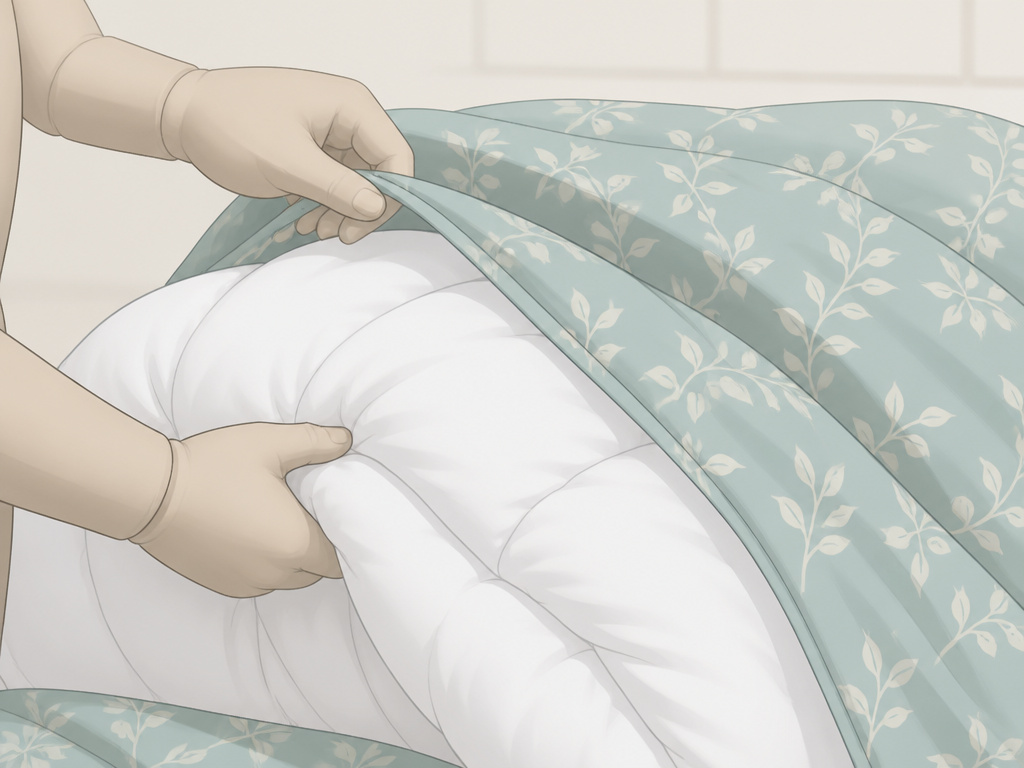
Yes, but it’s a workaround with fit issues. The principle is sound: you’re putting the one-piece comforter inside a duvet cover to protect it. In practice, a comforter is designed to be the top layer, so its dimensions are the final bed dimensions.
A duvet cover is sized to fit an insert that is slightly larger than the cover itself, so it fills out neatly. If you put a same-size comforter inside, it will slide around and feel baggy. For this to work, you need a comforter that is at least 2-3 inches longer and wider than the interior dimensions of the duvet cover. This is why buying a dedicated insert is always the cleaner solution.
When to Replace a Duvet or Comforter
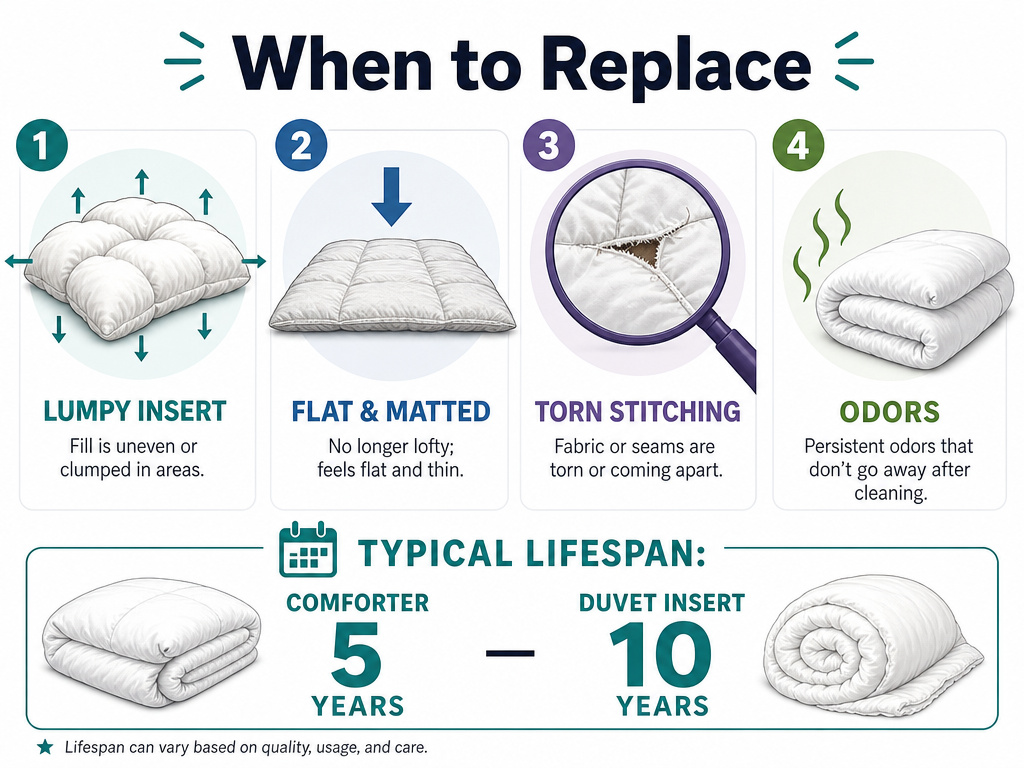
They don’t last forever. Even with a cover, a duvet insert will eventually lose its loft. A comforter’s fabric will wear thin.
Replace a duvet insert or comforter when you see: 1. Visible Lumps or Thin Patches: The fill has shifted permanently and can’t be redistributed. 2. Flat, Matted Fill: It no longer fluffs up after washing and drying. 3. Tears or Worn-Through Fabric: Especially along the quilted seams. 4. Persistent Odors: If it smells musty even after a thorough wash, mildew has likely set into the fill.
The timeline in the research, 5 to 10 years, is about right. A duvet on the longer end with good care, a comforter on the shorter end. When it’s time, the entire decision starts over. This is when the flexibility of the duvet system pays off again; you likely only need to replace the insert, not your collection of covers for a duvet.
Frequently Asked Questions
Is a duvet the same as a comforter?
No. A duvet is a two-part system (insert + cover), while a comforter is one finished blanket. The terms are often used interchangeably, but they describe different products with different care routines.
Do you need a top sheet with a duvet?
Many people skip the top sheet when using a duvet because the duvet cover acts as a washable barrier. This is common in Europe. With a comforter, a top sheet is recommended to protect it from body oils and reduce washing frequency.
Which is better for hot sleepers?
Lightweight duvet insert with low fill weight or a summer-weight comforter is best. The duvet system is better here because you can choose a specific, breathable insert for warmth without being stuck with a heavy comforter’s design.
Are duvets more expensive than comforters?
Initially, a duvet system (insert + cover) often costs more. Over time, it can be cheaper because you replace the insert less often and only buy new covers for style changes. A high-quality comforter from brands like Boll & Branch or Peacock Alley can be just as expensive as a premium duvet insert.
What size duvet or comforter do I need for a bunk bed?
Measure the mattress thickness first. Standard twin bedding assumes a ~10″ mattress. Many bunk bed mattresses are 6-8″ thick. You may need a “bunk bed comforter” or duvet cover marketed specifically for that slimmer profile to avoid excess fabric draping over the side rails.
The Bottom Line
For a child’s everyday bed, the duvet system is the pragmatic choice. The removable cover turns disaster into a simple load of laundry. It lets their bedding grow with them, from toddler trains to teenage trends, without buying a new warm layer each time.
If you want one answer for a kid’s room: start with a quality duvet insert (look for 400-600 fill power) and two children’s duvet covers. That setup will outlast any single comforter and save you countless hours of hassle.
For a guest room or a bed that needs a finished look instantly, a comforter for a child from a trusted brand works perfectly. Just know its lifespan is tied directly to how often you have to wash the entire thing. Choose based on the laundry you’re willing to do for the next five years.
