
Is It Normal for Newborn to Sleep Post-Feeding? Key Insights
This post contains affiliate links. As an Amazon Associate we earn from qualifying purchases.
Yes, it is completely normal, and expected, for a newborn to sleep after every feeding. Their tiny stomachs fill quickly, and digesting that milk or formula requires significant energy, which triggers sleep. In the first weeks, sleep bursts of 30 minutes to 3 hours between feeds are the standard biological pattern.
This pattern is a physiological necessity. A newborn’s sleep is classified into active, indeterminate, and non-active stages, not the adult REM and NREM cycles.Their internal clock, the circadian rhythm, hasn’t developed yet. Day and night are the same to them. The sleep that follows a feeding is how their body prioritizes growth and brain development over wakefulness.
What follows breaks down the mechanics of this eat-sleep cycle. You’ll get the specific numbers on sleep duration and feeding frequency from medical sources, the exact milestone that lets you stop waking a sleeping baby, and clear guidance on when that deep post-feed sleep might actually signal a problem.
Key Takeaways
- Newborns sleep in short cycles of about 40 minutes and need 14–17 hours of sleep in 24 hours, often in bursts of 30 minutes to 3 hours.
- You must wake a newborn to feed every 2–3 hours (breastfed) or 3–4 hours (formula-fed) until they show consistent weight gain, usually within the first couple of weeks.
- Sleeping after feeding is a sign of a full stomach and efficient digestion; it is not inherently a sign of illness or lethargy.
- A safe sleep environment, a firm crib mattress on their back with no loose bedding, is non-negotiable, especially during these frequent sleep periods.
- Consult your pediatrician for personalized advice, especially if your baby is premature, has low birth weight, or struggles to wake for feeds.
The 40-Minute Sleep Cycle (And Why It’s Perfectly Normal)
Newborn sleep is efficient. While adults progress through 90-minute sleep cycles with distinct REM and NREM stages, a newborn’s cycle lasts about 40 minutes.Their sleep is categorized as active, indeterminate, and non-active sleep, which share rough parallels with adult REM and deep sleep but are geared toward rapid brain development.
A newborn’s sleep is driven by biology, not habit. The 40-minute cycle allows for frequent waking to feed, which supports the incredible growth rate of approximately 1 ounce per day in the first month.
This short cycle is why your baby dozes off after a feed and might stir again just as you sit down. They’re not “snacking and napping” to disrupt your schedule. They’re following a hardwired program where feeding triggers sleep, and sleep consolidates the calories into growth. Their stomach is the size of a cherry at birth, holding only about 1-2 teaspoons. It empties quickly, hunger returns, and the cycle repeats. This is the “normal” that feels relentless at 3 a.m.
Feeding Frequency: The Engine of the Sleep Cycle
The type of feeding directly sets the timer for this eat-sleep loop. Breast milk digests faster than formula. This isn’t a value judgment on feeding methods; it’s a biochemical fact that changes the rhythm of your days and nights.
According to the U.S. National Library of Medicine resource on infant feeding, a breastfed newborn needs to nurse 10 to 12 times per day, or every 2 hours. A formula-fed newborn will eat about 8 times per day, or every 2 to 3 hours. These are the averages that keep a newborn hydrated, nourished, and gaining weight.
| Feeding Method | Typical Frequency | Sleep Pattern Trigger | Risk If Skipped |
|---|---|---|---|
| Breastfeeding | Every 2–3 hours | Shorter, more frequent sleep bursts (30 min – 2 hrs) | Poor weight gain, decreased milk supply, jaundice risk |
| Formula Feeding | Every 3–4 hours | Potentially longer sleep stretches (2 – 4 hours) | Slow weight gain, dehydration, constipation |
The “sleep after every feeding” behavior is the direct result of this frequency. The baby works to eat, their body diverts energy to digestion, and sleep is the natural next step. Fighting this rhythm is like fighting gravity.
When You Must Wake a Sleeping Newborn
Here is the critical rule that much of the internet glosses over: in the beginning, you are the timekeeper. A baby sleeping soundly after a feed is a blessing, but it cannot override their need for calories.
Common mistake: Letting a newborn sleep longer than 4-5 hours at night in the first two weeks. Until consistent weight gain is established, long stretches can mask underfeeding.
The universal guidance from pediatric sources is clear: wake your newborn to feed every 3-4 hours until they show good weight gain, which usually happens within the first couple of weeks. For breastfed babies, that window is tighter, every 2-3 hours. This applies 24 hours a day. Yes, even at night. You wake them, change their diaper to help rouse them, and offer the feed.
This changes only after they have regained their birth weight and are on a steady upward curve. Your pediatrician will give you the green light. Until then, the sleeping baby must be gently awakened. It feels counterintuitive, but it’s the single most important factor in ensuring they are healthy enough to eventually sleep longer on their own.
The Weight-Gain Milestone That Changes Everything
The “wake-to-feed” rule has an expiration date tied to a number, not a feeling. The pivot point is consistent weight gain. Most babies regain their birth weight by 10-14 days old. Once your pediatrician confirms this, the mandate lifts.
You can then let them sleep for longer periods at night, following their lead. If they sleep a 4 or 5-hour stretch, you don’t have to set an alarm. The Cleveland Clinic first-year sleep guide notes that some experts even suggest waking to feed for the first five to six weeks if a baby sleeps longer than five hours at a time. This is where your pediatrician’s advice for your specific child is gold.
Is It Sleep or Something Else? Recognizing Lethargy
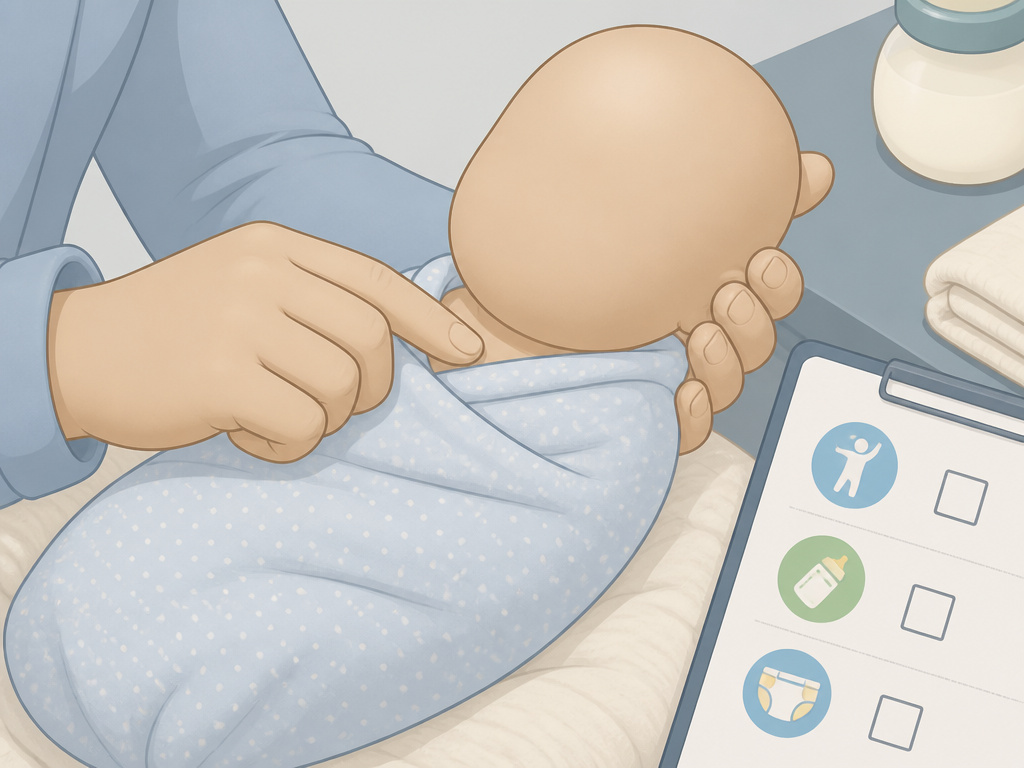
This is where parental intuition meets medical fact. Normal newborn sleep after a feed is peaceful. They may stir, make sucking motions, or even smile briefly. You can rouse them without extreme effort for the next feed. Lethargy is different.
A lethargic baby is difficult to wake. They show little interest in feeding, take very few ounces or nurse weakly, and may have fewer wet diapers. Their sleep seems overly deep and unbroken, even when you try to stimulate them. This isn’t a “good sleeper.” It’s a red flag.
Use this checklist if you’re concerned:
- Ease of Waking: Can you wake them for a feed with gentle undressing, diaper change, and stroking?
- Feeding Strength: Do they feed vigorously for a typical duration (10-20 minutes per breast, or take a full bottle)?
- Output: Are they producing at least 6 wet diapers and 3+ dirty diapers per day after your milk comes in?
- Alertness: During awake windows, do they have periods of alert, bright-eyed curiosity?
If you answer “no” to the first three, call your pediatrician immediately. Lethargy can signal low blood sugar, infection, or other issues that need prompt attention.
Creating a Safe Sleep Environment for Frequent Naps
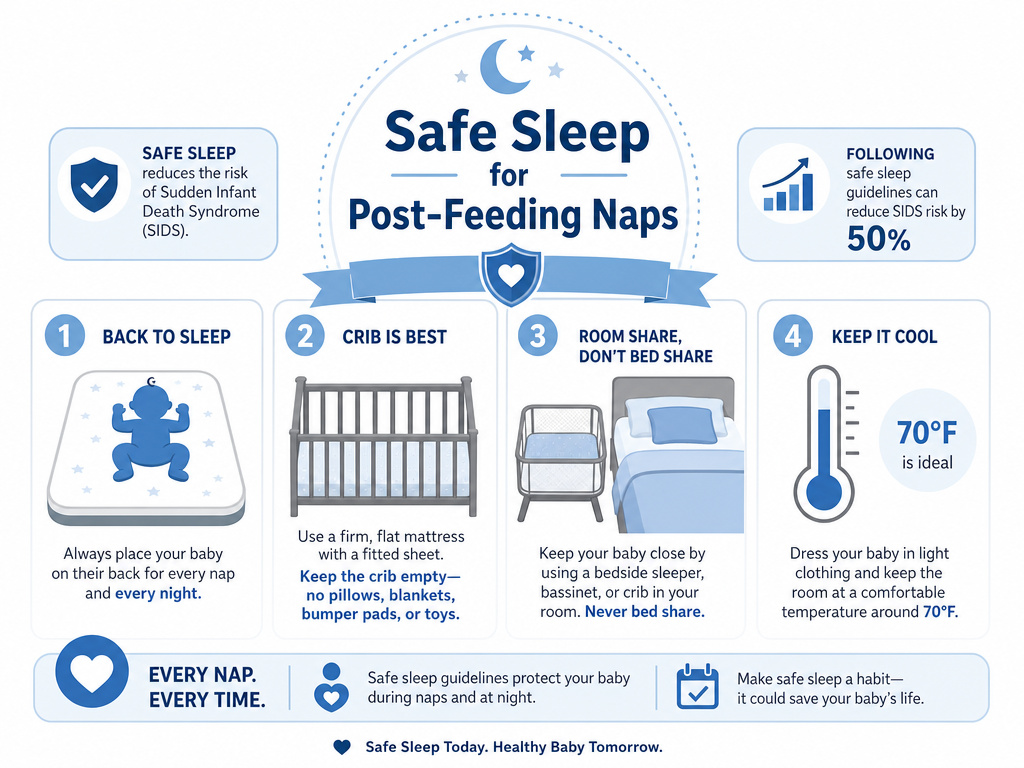
Since your newborn will be sleeping so often, their sleep space must be meticulously safe. Every nap, whether in a bassinet or crib, follows the same rules as night sleep. The American Academy of Pediatrics’ safe sleep guidelines are non-negotiable.
- Back to Sleep: Always place your baby on their back on a firm, flat surface. This reduces the risk of SIDS by over 50%.
- Bare is Best: The crib should contain only a fitted sheet. No pillows, blankets, stuffed animals, or bumper pads. For warmth, use a wearable blanket or sleep sack.
- Room-Share, Don’t Bed-Share: Keep the baby’s sleep space in your room for at least the first six months, but on a separate surface like a bedside sleeper. Adult beds are not safe for infants.
- Avoid Overheating: Dress the baby in light layers. The room temperature should be comfortable for a lightly clothed adult (68-72°F).
These rules protect your baby during those vulnerable post-feed sleep periods. Investing in a certified safe crib mattress and appropriate newborn bedding is part of setting up this secure environment.
Frequently Asked Questions
How long after feeding should a newborn stay awake?
For most newborns, the “awake window” is shockingly short, maybe 45 to 60 minutes total, and that includes feeding time. After a feed, they may be alert for only 5-15 minutes before showing sleepy cues (yawning, glazed eyes, turning away). Trying to keep them awake longer leads to an overtired, fussy baby who struggles to sleep. Follow their lead.
My newborn falls asleep while feeding. Is that okay?
It’s very common, especially during breastfeeding. The warmth, comfort, and sucking motion are powerfully sleep-inducing. The problem is they may not get a full feed. To keep them awake, try stripping them down to a diaper, tickling their feet, or gently rubbing their back. If they consistently fall asleep too soon, mention it to your pediatrician or a lactation consultant to ensure they’re transferring enough milk.
When do babies stop sleeping after every feeding?
The pattern begins to shift around 6-8 weeks as their stomach capacity grows and they can take in more calories per feed. You’ll notice their alert periods lengthening. By 3-4 months, many babies have consolidated sleep into longer naps and longer night stretches, and the rigid eat-sleep-eat cycle relaxes. They start to have awake time for play and interaction separate from feeding.
Could sleeping after every feeding mean a milk allergy or reflux?
It’s unlikely to be the primary sign. Babies with reflux often arch their back, cry during and after feeds, and have frequent spit-ups. Milk protein allergies can cause bloody stools, eczema, and significant fussiness. While sleep can be a refuge from discomfort, profound, constant sleepiness is more concerning. The classic post-feed sleep of a healthy newborn is content and peaceful, not a withdrawal from pain. Discuss any feeding concerns with your doctor.
Before You Go
A newborn sleeping after every feeding is the hallmark of a well-fed, growing baby. It’s the biological default. Your job in the early weeks is to enable that cycle by offering feeds every few hours, even if it means waking them, and by providing a supremely safe place for all that sleep to happen.
Trust the rhythm. The 40-minute cycles, the round-the-clock feeds, the blur of days and nights, it’s all temporary and purposeful. The weight gain you’re fostering today is what will allow for those longer, more predictable sleep stretches tomorrow. Keep the diaper count, watch the scale at pediatric visits, and know that this intense phase is both normal and necessary.
