
Learn How to Help Kids Sleep Through Expert-Approved Methods
This post contains affiliate links. As an Amazon Associate we earn from qualifying purchases.
To help kids sleep, you match three things: a consistent pre-bed routine, a sleep-conducive environment, and a behavioral response plan you can stick to. For children over four months old, behavioral interventions like graduated extinction or bedtime fading are clinically proven to improve sleep in 94% of cases. The goal is teaching the skill of self-soothing, not just enforcing a bedtime.
That 94 percent figure comes from a review of 52 studies by the American Academy of Sleep Medicine, where 49 showed significant improvement. The methods that earned that rating are specific and evidence-based.They are specific, named techniques with manuals.
This guide breaks down those techniques. You’ll get the age-based sleep science, the step-by-step plans that meet clinical standards, and the environmental tweaks that studies link to longer sleep. We’ll also cover when standard advice doesn’t apply and a doctor should step in.
Key Takeaways
- Behavioral sleep interventions are the first-line, evidence-based treatment for bedtime problems and night wakings in healthy children over four months old.
- Your response to night wakings either teaches self-soothing or reinforces dependency. Consistency in your response plan is more critical than the specific method you choose.
- Sleep environment matters on a measurable level: a room that is too bright, loud, or the wrong temperature is linked to shorter sleep duration and later sleep onset.
- For infants under three months, sleep patterns vary wildly and most guidelines explicitly avoid giving firm recommendations, focus on safe sleep practices first.
- If simple behavioral strategies don’t work within a few weeks, or if your child snores/thrashes, consult a pediatrician to rule out medical issues like sleep apnea or restless legs syndrome.
The Three Things Every Sleep Plan Needs
You can’t talk a child into being sleepy. Sleep is a biological process, but it’s shaped by behavior. Every effective plan addresses the same three levers: routine, environment, and parental response.
The American Academy of Sleep Medicine rates “unmodified extinction, extinction with parental presence, and preventive parent education” as Standard level recommendations for treating bedtime problems and night wakings. “Graduated extinction, bedtime fading, and scheduled awakenings” are rated as Guideline level recommendations. This means the evidence for the first group is stronger, but both are clinically effective.
The routine is the predictable wind-down. It signals the brain that sleep is coming. A bath, pajamas, a book, the order matters more than the activities. Keep it under 30 minutes and start at the same time every night, even weekends. A variable start time confuses the developing circadian clock.
The environment is the physical stage. It must be dark, quiet, and cool. A 2014 study of low-income preschoolers found that a suboptimal environment, labeled “too bright,” “too loud,” or “too cold/hot”, was directly associated with shorter sleep and later sleep onset. Blackout curtains and a white noise machine aren’t luxuries; they are tools that block interfering signals.
Your response is the teaching mechanism. This is where most plans fail, not from a bad method, but from inconsistent execution. If you sometimes rock to sleep and sometimes let them cry, the child learns that crying longer might work. Pick a behavioral sleep intervention and follow it exactly for at least a week.
The Science of Sleep Pressure and Timing
Children don’t fight sleep because they’re stubborn. They fight it because their internal drivers, sleep pressure and circadian timing, are out of sync with your expectations.
Sleep pressure is the need for sleep that builds the longer a child is awake. An infant’s sleep pressure builds very fast, which is why they nap so frequently. A toddler’s builds slower. If a toddler misses a nap, sleep pressure skyrockets, often leading to an overtired, wired state that makes bedtime a battle. That’s the paradox: the more tired they are, the harder it is to fall asleep.
The circadian rhythm is the internal 24-hour clock that dictates when we feel sleepy and alert. It’s driven by light exposure. For toddlers, the evening rise of the sleep hormone melatonin typically happens around 7:30 p.m. Putting a child to bed before this natural wave hits is like asking them to fall asleep at 4 p.m. Their biology says “no.”
Where this goes sideways: Putting a child to bed more than an hour before their natural melatonin onset. The result is prolonged crying, stalling, and a conditioned anxiety around bedtime that can take weeks to undo.
The goal is to align bedtime with this biological window. You can gently shift the window by controlling light. Get bright light, especially morning sunlight, into their eyes soon after waking. Dim lights and eliminate screens at least an hour before bed. The blue light from tablets suppresses melatonin as effectively as a bright sunrise.
For older kids and teens with a dramatically delayed clock (Delayed Sleep Phase Syndrome), the protocol is more structured. It involves timed melatonin supplementation (0.3 to 5 mg, given 1.5 to 6.5 hours before bedtime) under a doctor’s guidance and bright light therapy in the morning. This isn’t a casual fix; it’s a medical reset.
Behavioral Methods: What the Guidelines Actually Say
The clinical terms sound cold, but they are precise. Understanding them lets you choose a plan based on evidence, not guilt.
Unmodified Extinction (“Cry It Out”): The child is put to bed awake and the parent does not re-enter the room until morning (except for genuine needs). The AASM rates this a Standard, the highest level of recommendation. It works fastest, often within 3-7 nights. The objection is the emotional toll on the parent, not a lack of efficacy.
Graduated Extinction (“Ferber Method”): The parent puts the child down awake but checks on them at set, gradually increasing intervals (e.g., 5, 10, 15 minutes). The checks are brief and boring, no picking up. This is an AASM Guideline. It takes longer than unmodified extinction but feels more manageable for many parents.
Bedtime Fading: You start by putting the child to bed at the time they actually fall asleep, even if it’s late. Once they’re falling asleep quickly at that time, you move bedtime 15 minutes earlier every few nights. This works well for older children with stalling problems and is also an AASM Guideline.
The Check-In Paradox: With graduated extinction, the checks must not be reinforcing. A long cuddle or a bottle during a check-in teaches the child to cry longer to get that reward. Make it dull: a pat, a verbal reassurance, and out in 30 seconds.
| Method | Best For | Parental Role | Typical Timeline |
|---|---|---|---|
| Unmodified Extinction | Parents who need a quick, decisive solution | Outside the room after bedtime | 3-7 nights |
| Graduated Extinction | Parents who want to offer periodic reassurance | Brief, boring check-ins at intervals | 7-14 nights |
| Bedtime Fading | Children who stall or have a very late natural sleep time | Present at the adjusted bedtime until asleep | 2-3 weeks |
| Positive Routines | Building a new, calm bedtime association | Actively leading the routine | Ongoing |
Building the Sleep-Inducing Environment
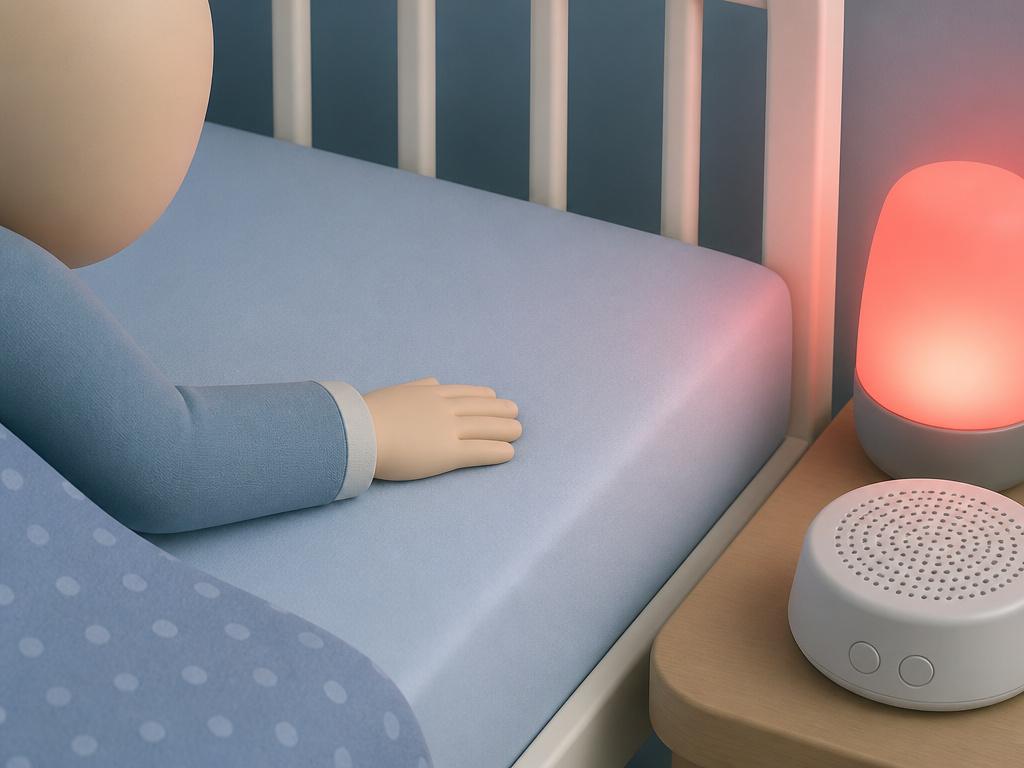 The bed itself is part of the environment. The right kids mattress provides proper support, while comfortable kids sheets and kids blankets regulate temperature and reduce sensory distractions. It’s a system.
Start with safety for infants. The rule is alone, on their back, in a crib or bassinet with a firm, flat surface. No pillows, loose blankets, or stuffed animals. Room-sharing without bed-sharing is recommended for the first 6-12 months to reduce SIDS risk.
For older children, audit the room with your senses. * Sight: Is it truly dark? Use blackout shades or curtains. A small, dim nightlight (red or orange spectrum is best) is okay for children over 3 with fears. * Sound: Is it consistently quiet? A white noise machine masks disruptive household or street sounds. It also becomes a sleep cue. * Touch: Is the temperature between 68-72°F (20-22°C)? Are pajamas and the best blankets for a child’s bed appropriate for the season? Overheating disrupts sleep. * Routine Objects: A single, small lovey or security blanket for a child over 12 months can be a powerful self-soothing tool.
This isn’t just about comfort. A disruptive environment forces micro-awakenings as the brain processes changes in light or sound. The child may not fully wake, but their sleep cycle is interrupted, leading to less restorative sleep and earlier waking.
Age-by-Age Sleep Solutions and Expectations
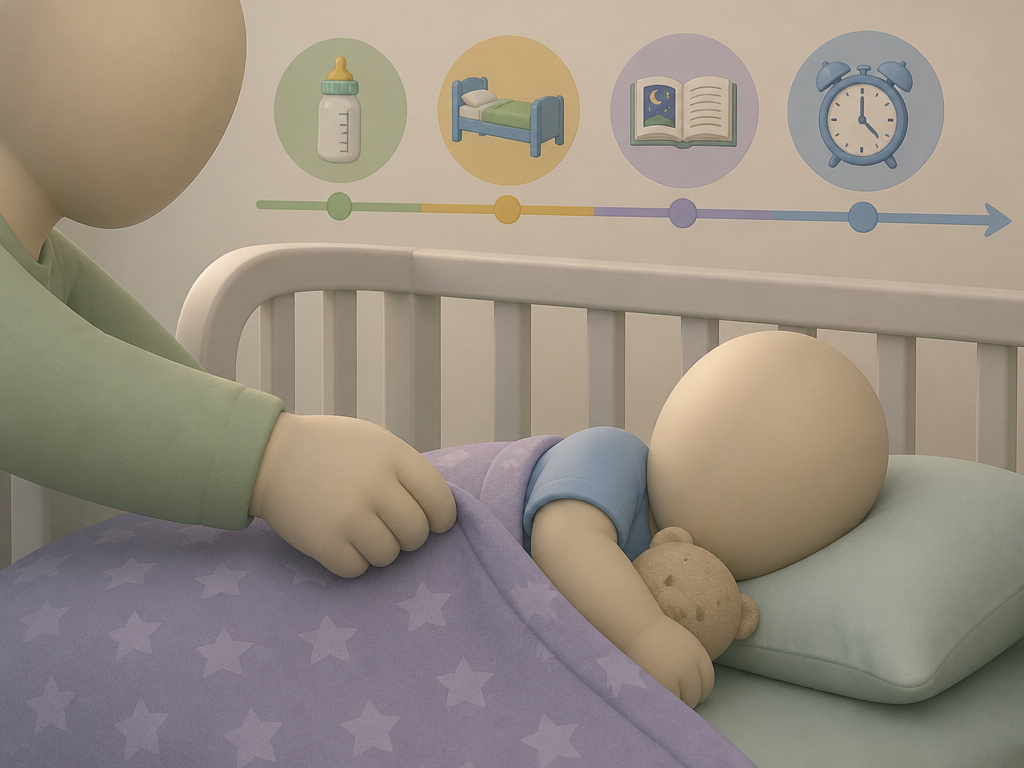 A one-size-fits-all plan fails because a 6-month-old and a 6-year-old have different capabilities and challenges. Here’s what to prioritize at each stage.
Newborns (0-3 Months): Survival mode. Sleep is chaotic and polyphasic, with 16-18 hours of total sleep spread across 24 hours. Do not attempt formal sleep training. Focus on feeding, safe sleep practices, and gently introducing a difference between day (light, noise, interaction) and night (dark, quiet, boring). The American Academy of Family Physicians guide explicitly states recommendations are not included for this age due to “wide variation in sleep patterns and insufficient evidence.”
Infants (4-11 Months): This is the prime window for establishing healthy sleep habits. The goal is learning to fall asleep independently at bedtime. Choose a behavioral method (extinction or graduated extinction) and apply it consistently for both bedtime and night wakings. Most infants are capable of sleeping through the night (10-12 hours) by 6 months without a feeding. A consistent naptime routine is also crucial.
Toddlers (1-3 Years): Independence and separation anxiety peak. The challenge is limit-setting. Be clear, calm, and consistent with boundaries. The bedtime routine is non-negotiable. Transitioning from a crib to a toddler bed can trigger regressions; make the change only when necessary (e.g., climbing out) and stick even closer to your routine. Most toddlers need 11-14 hours of total sleep, including one nap.
Preschoolers (3-5 Years): Imagination and fears bloom. Nightmares are common. Keep the routine predictable and include a “monster spray” (water in a spray bottle) or a comfort object to address fears. Ensure the children’s bedding sets are comforting and familiar. They need 10-13 hours of sleep. Naps typically fade during this period.
School-Age (6-12 Years): The enemy is schedule creep, activities, homework, and screens. Protect the bedtime hour. Screens off, lights dim. They still need 9-11 hours of sleep, a fact most kids and parents underestimate. Lack of sleep directly impacts school performance, mood, and impulse control.
Troubleshooting Common Sleep Problems
Even with a great plan, specific issues pop up. Here’s how to decode them.
Common mistake: Rushing in immediately at every night waking. This prevents the child from practicing the self-soothing skill you worked to teach at bedtime. Wait a few minutes to see if they resettle.
| Problem | Likely Cause | Immediate Fix | Long-Term Strategy |
|---|---|---|---|
| Bedtime Stalling & Requests | Limit-testing; bedtime too early relative to circadian clock. | Calmly enforce the routine without extra stories or drinks. | Use bedtime fading to find the biological sweet spot. |
| Frequent Night Wakings | Sleep-onset association (needs rocking/feeding to reconnect sleep cycles). | Respond with your chosen behavioral plan (extinction or checks) consistently. | Ensure child falls asleep independently at bedtime. |
| Early Morning Waking (Before 6 AM) | Too much daytime sleep, bedtime too early, or light/noise in early morning. | Keep room dark, use white noise, avoid responding as if it’s morning. | Adjust nap schedule, slightly later bedtime. |
| Night Terrors (Child appears terrified but isn’t awake) | A non-REM sleep disruption, often in first half of night. Common ages 3-8. | Do not try to wake them. Ensure safety, wait it out (5-15 mins). | Address sleep deprivation, keep a consistent schedule, rule out sleep apnea. |
| Nightmares (Child wakes scared, can recall dream) | Normal REM sleep, often triggered by stress or scary content. | Comfort and reassure. Use a nightlight. | Discuss fears during the day, monitor media exposure before bed. |
For problems like snoring, thrashing, or restless legs, don’t assume it’s behavioral. These can signal obstructive sleep apnea or other medical issues. A pediatrician or sleep specialist can provide a diagnosis.
Frequently Asked Questions
What is the fastest way to get a child to sleep through the night?
The fastest evidence-based method is unmodified extinction, where the child learns to self-soothe without parental intervention after bedtime. Studies show significant improvement often within a week. The speed comes from the clarity and consistency of the message: after bedtime, sleep is your job.
Is it okay to use melatonin for kids?
Melatonin can be a useful short-term tool for resetting a significantly delayed circadian clock, such as in jet lag or Delayed Sleep Phase Syndrome, but only under a doctor’s guidance. It is a hormone, not a vitamin. The AASM notes it is not recommended as a standard first-line treatment for typical bedtime problems. In Australia and many other places, it requires a prescription for children.
How long should the bedtime routine be?
Aim for 20-30 minutes. Long enough to be predictable and calming, but short enough that it doesn’t become a series of negotiable events. The sequence, bath, pajamas, book, bed, should be the same every night. This consistency builds a powerful sleep cue.
Why does my child sleep worse when they skip a nap?
When a child skips a nap, they become overtired. Overtiredness triggers the release of cortisol and adrenaline, stress hormones that fight sleep. This creates a hyper-alert, wired state that makes falling asleep at night harder, not easier. It also leads to more fragmented, less restorative sleep.
When should I talk to a doctor about my child’s sleep?
Consult a pediatrician if: behavioral methods yield no improvement after 2-3 consistent weeks; your child snores loudly or gasps during sleep; you observe unusual movements or restlessness; sleep problems are accompanied by daytime behavioral issues, poor growth, or excessive sleepiness; or if your child is under 4 months and you have significant concerns.
Before You Go
Helping a child sleep involves applying the biology of sleep pressure and circadian rhythm through consistent, calm parenting. The evidence is clear: behavioral interventions work for the vast majority of families when implemented correctly.
Start with the environment, dark, cool, quiet. Then build a boring, reliable routine. Finally, choose a response plan for night wakings and follow it like a recipe. The goal isn’t silent obedience, but the gift of a lifelong skill: the ability to self-soothe and connect sleep cycles independently.
If you hit a wall, look for a medical cause. Otherwise, trust the process. The data is on your side.
