
Do 2-Month Vaccinations Make Babies Sleep More? The Facts
This post contains affiliate links. As an Amazon Associate we earn from qualifying purchases.
Yes, many babies sleep significantly more in the 24 hours following their 2-month immunizations. A peer-reviewed clinical trial found infants slept an average of 69 minutes longer after vaccination than before, with increased sleep peaking for babies immunized after 1:30 PM. This extra sleep is a common immune system response, but it’s crucial to distinguish it from the severe lethargy listed as a vaccine side effect.
The 69-minute average isn’t a guarantee for every child, 37% of infants in that same study actually slept less. The reaction depends on the individual baby, the specific vaccines given, and whether a fever develops. The MenB vaccine, in particular, is linked to higher fever rates, which can amplify sleepiness.
What follows: the precise data from that clinical trial, the official side effect timelines you should watch, the correct paracetamol (acetaminophen) dosing schedule to manage fever-driven discomfort, and the clear signs that differentiate normal post-vaccine sleep from a reason to call your doctor.
Key Takeaways
- Infants slept 69 minutes more on average in the 24 hours post-vaccination in a controlled study, but 37% slept less.
- Increased sleep is primarily “active sleep,” not deep, restful quiet sleep, which may explain why babies still seem fussy between naps.
- The MenB vaccine given at 2 months has a high rate of associated fever, and UK health authorities advise three prophylactic doses of infant paracetamol to reduce it.
- Severe lethargy or somnolence, where a baby is difficult to wake or uninterested in feeding, is a documented vaccine side effect that requires medical attention.
- Most common reactions (fussiness, mild fever, sleep changes) subside within 24-48 hours; symptoms lasting beyond 5 days need a pediatrician’s evaluation.
Why Do Babies Sleep More After Vaccinations?
The extra sleep isn’t a mystery or a flaw in your baby’s routine. It’s a measurable physiological response. Their tiny bodies are mounting an immune defense, which is metabolically demanding work.
Think of it like a child recovering from a mild cold, they’re tired because their system is busy. The vaccine introduces antigens, and the baby’s immune system gets to work producing antibodies and memory cells. This process releases signaling proteins called cytokines, which can directly induce sleepiness and influence body temperature. A higher temperature, even a mild one, also increases metabolic rate and can lead to fatigue.
This process is documented in a randomized trial on post-vaccination sleep which used ankle actigraphy to track infant sleep before and after immunization. The study concluded the increased sleep duration was significantly correlated with higher mean temperature after the shots.
This is why the sleep increase isn’t always peaceful. The study noted the additional sleep was mostly active sleep, a lighter, more restless sleep stage where babies may twitch, grunt, or stir easily. So you might see longer naps, but also more fussing when they’re awake. It’s the body’s priority shift, not a sign of deep, restorative rest.
The 24-Hour Sleep Increase: What the Research Says
Forget vague claims. The most cited data comes from a randomized controlled trial published in Pediatrics. Researchers fitted 70 two-month-old infants with actigraphs, small, watch-like devices worn on the ankle, to objectively measure sleep for 24 hours before and after their first immunization series.
The results are specific. On average, total sleep time increased by 69 minutes. But the “average” hides a wide range: 37% of babies slept less than they did before the shots. The increase was most pronounced in babies vaccinated after 1:30 PM and in those who developed a higher mean temperature afterward.
Here’s what that research clarifies versus common assumptions:
| Common Assumption | What the Data Shows |
|---|---|
| Sleepiness means the vaccine is “working well.” | Sleep increase correlated with higher temperature, but lack of sleep doesn’t mean the vaccine failed. Immune response varies. |
| The extra sleep is deep and restorative. | The added 69 minutes was primarily active sleep, not quiet sleep. Babies may not seem fully rested. |
| Giving acetaminophen prevents sleep changes. | In the study, prophylactic acetaminophen use was not a significant predictor of sleep duration when other factors were controlled. |
The takeaway? Expect variability. Your baby might be one who logs extra hours, or they might be clingy and resistant to sleep. Both are normal physiological outcomes within the first day.
Normal Sleepiness vs. Concerning Lethargy: The Critical Difference
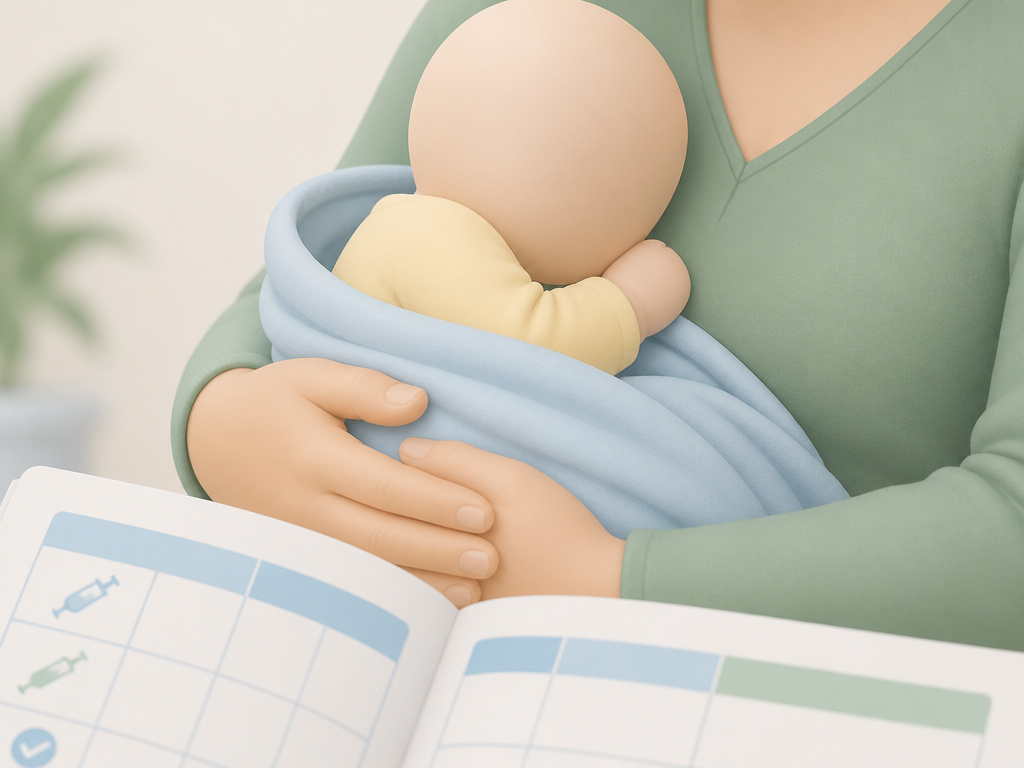
This is the line every parent needs to see clearly. Post-vaccine drowsiness is expected. A lethargic, unresponsive baby is not.
Official vaccine labels, like the one for VAXELIS (a common combination vaccine), categorize “somnolence” (sleepiness) as a solicited adverse reaction. They define it this way: – Mild: Sleepier than usual, but wakes for feeds. – Moderate: Not interested in surroundings or does not wake up for a meal. – Severe: Sleeping most of the time or difficult to rouse.
Where this goes sideways: Confusing moderate/severe lethargy for normal sleepiness. A baby who won’t wake to feed or who is listless and unresponsive when awake needs an immediate call to your pediatrician or NHS 111.
Normal post-vaccine sleepiness looks like this:
- Taking longer or more frequent naps.
- Being sleepy but waking easily for feeds and cuddles.
- Having periods of alertness and interest in your face or toys.
- Fussiness that resolves with holding and comfort.
Concerning lethargy or somnolence looks like this:
- Being difficult to wake for feeds (missing a feed entirely is a red flag).
- Limpness or floppiness when held.
- A weak cry or no cry at all.
- Lack of interest in anything, eyes may be open but glassy and unfocused.
If you see signs of concerning lethargy, don’t wait. This isn’t about the vaccine itself being “bad”, it’s about ruling out other rare issues like a high fever or an unexpected reaction. Your doctor will want to know.
Navigating Fever and Discomfort: The MenB Vaccine Protocol
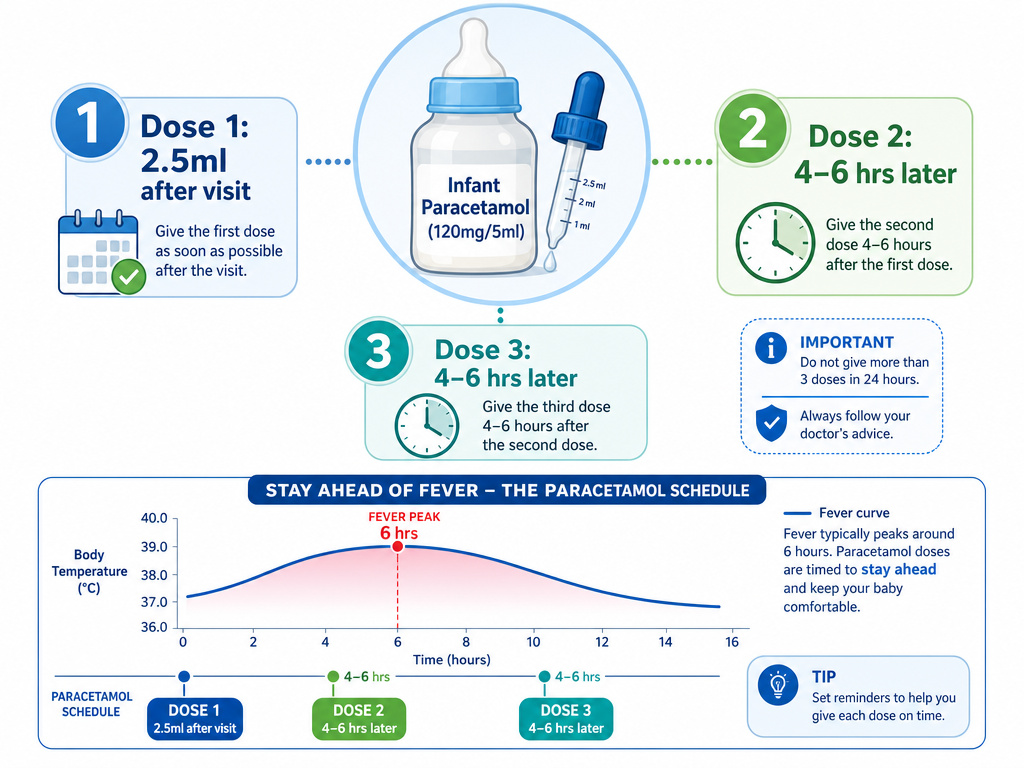
While any vaccine can cause a fever, the Meningitis B (MenB) vaccine given at 2 and 3 months is a known culprit for higher rates. UK health authorities have a specific, proactive protocol for it because the fever tends to peak around six hours after the shot.
The current official UK vaccination side effects leaflet advises giving infant paracetamol (120mg/5ml suspension) to prevent fever and discomfort after the MenB vaccine, not just to treat it.
The recommended three-dose schedule is non-negotiable for effectiveness:
- Dose 1: 2.5ml as soon as possible after the vaccination visit (not before).
- Dose 2: 2.5ml, 4 to 6 hours after the first dose.
- Dose 3: 2.5ml, 4 to 6 hours after the second dose.
This schedule is repeated after the 3-month MenB vaccination. Using the syringe or spoon that comes with the medicine is critical for accurate dosing. The goal is to stay ahead of the fever curve, making your baby more comfortable and potentially reducing extreme sleepiness driven by high temperature.
Common mistake: Waiting for a fever to spike before giving the first dose. By then, the inflammatory response is in full swing, and the paracetamol is playing catch-up. The prophylactic approach is proven to reduce fever incidence.
If your baby still has a fever after the three doses but is otherwise alert and feeding, you can continue giving paracetamol every 4-6 hours (maximum 4 doses in 24 hours) for up to 48 hours post-vaccination. After 48 hours, any persistent fever should be evaluated by a doctor, as it’s less likely to be vaccine-related.
Other Common Reactions and How to Soothe Your Baby
Sleep changes and fever are the headliners, but the 2-month shots often come with a suite of mild, temporary reactions. Knowing what’s common helps you stay calm.
According to drug labels and health leaflets, expect a mix of local and systemic reactions within the first few days:
At the injection site (usually the thigh):
- Redness, swelling, or a small, hard lump.
- Tenderness to the touch.
- Timeline: These usually fade within 2-3 days. A small lump may linger for a few weeks but isn’t an infection.
General systemic reactions:
- Fussiness/Irritability: Very common (up to 75% in some reports). This is often the first sign.
- Inconsolable crying: Episodes of crying that are hard to soothe, usually short-lived.
- Decreased appetite: They might feed a little less for a day.
- Vomiting or diarrhea: Less common, but can occur.
Your comfort toolkit is simple and effective:
- Cuddles and skin-to-skin contact. This regulates their temperature and heart rate.
- Offer frequent, small feeds. Don’t force it, but keep offering the breast or bottle. Hydration is key, especially if there’s a fever.
- A cool, clean cloth. Drape it loosely over the injection site for 5-10 minutes to soothe local swelling.
- Gentle movement. A walk in the stroller or a slow rock in your arms can be calming.
- Comfortable clothing. Dress them in loose, soft clothing that doesn’t rub against the injection site. This is where choosing gentle, hypoallergenic crib sheets can also help avoid any additional skin irritation during a sensitive time.
Avoid old wives’ tales: do not sponge them down with cold water, put them in a cold bath, or point a fan directly at them to reduce fever. These methods can cause shivering, which actually raises core body temperature.
When to Call the Doctor: A Clear Timeline
Most post-vaccine reactions are mild and self-limiting. Having a timeline in your head removes the “is this normal?” anxiety.
Within the first 48 hours:
This is the peak window for normal reactions. Fever, fussiness, sleep changes, and a sore leg are all expected. Manage with comfort measures and the prescribed paracetamol if you’re following the MenB protocol. You don’t need to call for these symptoms alone.
Call your GP or NHS 111 within 48 hours if:
- Fever is 39°C (102.2°F) or higher.
- Your baby exhibits any signs of moderate or severe lethargy (difficult to wake, limp, unresponsive).
- They have a severe, unusual cry (high-pitched or continuous for hours).
- You notice a large, spreading red area at the injection site (larger than a 10p coin) or it seems increasingly painful.
Seek urgent care (call 999 or go to A&E) immediately if:
- Your baby has a fit or seizure.
- They have difficulty breathing or their lips turn blue.
- They become unconscious or unresponsive.
Beyond 5 days:
Vaccine-related fevers and sleep disturbances should be completely resolved. If your baby is still sleeping excessively, running a fever, or is unusually irritable a week later, it’s time to call the doctor to rule out an unrelated illness. A persistent change in sleep pattern could also be a sign of discomfort from other issues, making a supportive sleep surface like a firm crib mattress part of the long-term solution.
Creating a Comfortable Recovery Environment
While you can’t control your baby’s immune response, you can optimize their environment for rest and recovery. The goal is to remove any additional stressors.
Focus on the sleep space:
- Keep it cool and dark. A slightly cooler room (around 18-20°C) is better for sleep, especially if they have a fever. Use blackout curtains to encourage longer naps.
- Use familiar, comfortable bedding. Now is not the time for a new, scratchy blanket. Stick with their trusted, safe baby blankets that are breathable and soft.
- Ensure a firm, flat surface. Safe sleep guidelines remain paramount. A proper mattress for crib that is firm and fits snugly is essential, providing a secure base while they’re potentially more restless.
Adjust your expectations for the day (and night):
- Throw the schedule out the window. Follow their lead on sleep and feeds. They may cluster feed for comfort or take a marathon nap.
- Stay hydrated yourself. If you’re breastfeeding, your baby may feed more frequently, which demands more from you. Keep water and snacks handy.
- Ask for help. If possible, have your partner or a family member handle a shift so you can rest. You can’t pour from an empty cup.
Remember, this is a temporary detour. Their sleep patterns might be rocky for a night or two, but with comfort and the right safe infant blankets and a calm environment, they will find their way back to their normal rhythm.
Frequently Asked Questions
How long does increased sleep last after 2-month shots?
The significant increase in total sleep time, documented in research, is measured over the first 24 hours after vaccination. While your baby might be sleepier than usual for parts of the second day, most infants return to their baseline sleep patterns within 48 to 72 hours. If excessive sleepiness persists beyond 3 full days, consult your pediatrician.
Should I wake my baby to feed after vaccinations?
Yes, but with flexibility. If your baby is in a deep sleep but it has been 4 hours or more since their last feed, you should gently attempt to wake them. Offer the breast or bottle. If they only take a small amount and fall back asleep, that’s okay, just offer again sooner at the next wake-up. The priority is ensuring they stay hydrated, especially if they have a fever. Never let a newborn sleep through more than 4-5 hours without a feeding attempt post-vaccines.
Can I give acetaminophen (paracetamol) before the shots to prevent sleepiness?
No. You should never give the first dose before the vaccination appointment. The nurse needs to assess your baby for any signs of existing illness that might be a reason to delay the shots. Furthermore, the clinical trial data showed prophylactic acetaminophen was not a significant predictor of sleep duration. The official recommendation is to give the first dose as soon as possible after the appointment, specifically to mitigate the fever risk from the MenB vaccine.
My baby is sleeping less after shots. Is that normal?
Yes, it is within the range of normal. The same study that found an average 69-minute increase also reported that 37% of infants slept less after immunization. Some babies respond to the discomfort and immune activation with increased fussiness and restlessness, fighting sleep. Focus on providing extra comfort and soothing, and know their sleep will likely rebound within a day or two.
What’s the difference between a sleep regression and post-vaccine sleep changes?
Sleep regression is a developmental phase, often lasting 2-6 weeks, where sleep patterns disrupt due to brain maturation and new skills (like rolling). Post-vaccine sleep changes are acute and short-term, directly tied to the physical immune response. They have a clear trigger (the shots) and should resolve within 3 days. If “sleep problems” start the day of vaccines and are gone in 72 hours, it’s the vaccines. If they persist or begin weeks later, it’s likely a regression or another issue.
The Bottom Line
Your baby sleeping more after their 2-month shots is a common, data-backed response. That extra hour of sleep, on average, is their body doing the important work of building immunity. Your job is to provide comfort, monitor for the clear red flags of severe lethargy, and follow the specific fever-management protocol for the MenB vaccine.
Trust the timeline: the bulk of the reaction is over in 24-48 hours. Use cuddles, fluids, and a calm environment, with the help of trusted, breathable crib sheets and a safe sleep space, to help them through it. When in doubt between normal sleepiness and concerning behavior, a call to your healthcare provider is always the right move. You’ve got this.
