
9 Best Tent Beds of 2026
This post contains affiliate links. As an Amazon Associate we earn from qualifying purchases.
The SlumberPod Blackout Pack N Play Tent is the best overall for its superior blackout performance and breathable design, especially for younger kids. For a budget-friendly pick, the Twin Bed Tent with String Lights offers solid features like pop-up setup and integrated lighting. The Alvantor Twin Bed Canopy Tent is a strong alternative if you prioritize quick assembly and airflow.
Parents often struggle to find a tent bed that’s more than just a cute look, it needs to be safe, functional, and actually help with sleep. Too many options are flimsy, overheat easily, or promise blackout but let in light at key seams.
This guide cuts through the noise. I researched tent beds based on real owner feedback, material specs, and safety standards, focusing on what actually matters: durability, ventilation, and true light blocking. These picks deliver on both comfort and practicality for real family life.
Top 9 Tent Beds in the Market
The Best Tent Beds, Reviewed
Queen Bed Tent Canopy Blackout

Strengths
- Good blackout performance
- Built-in charging ports
- Includes star lights
Trade-offs
- Fiberglass poles can bend
- Not for outdoor use
- Requires queen bed
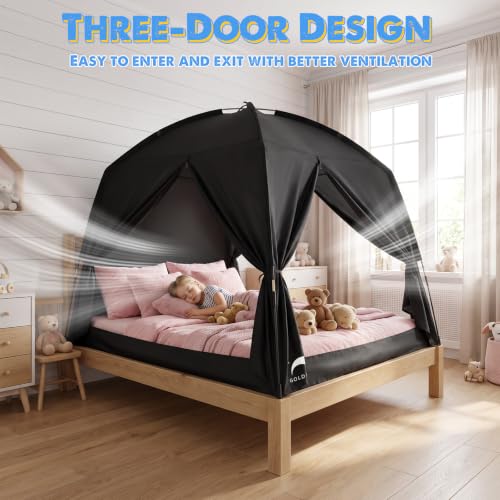
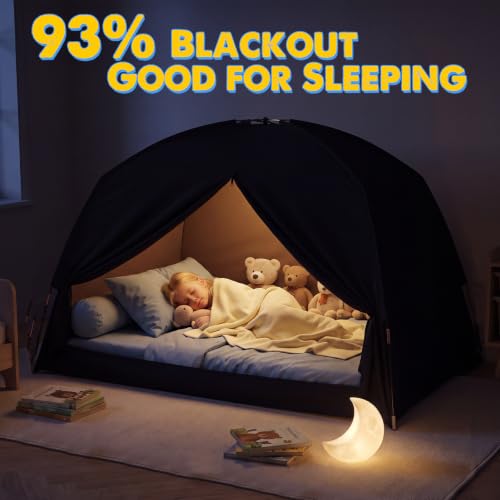
This one hits the sweet spot between function and fun, which is why I’d call it the best overall for home use. The 93% blackout rating is strong, and the triple zippered doors with mesh panels offer real airflow, owners say it doesn’t feel stuffy, even in warmer rooms. The built-in charging ports and storage pockets are practical touches, and the star lights add a cozy, imaginative flair that kids love.
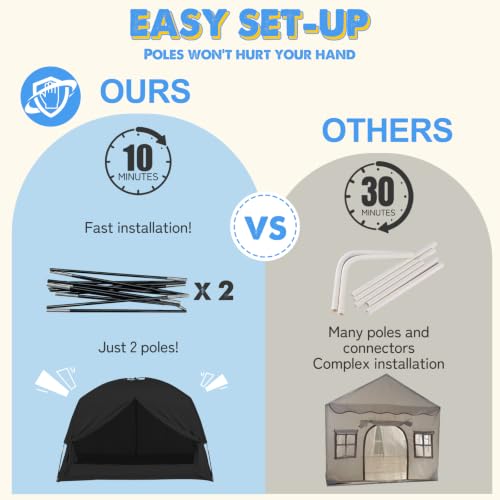
The 8mm fiberglass poles hold up well under normal use, though they’re not indestructible, some parents note that rough play can bend them over time. Setup is quick, and the floor-under-mattress design keeps it from sliding. Compared to simpler canopy tents, this one offers more features without overcomplicating things.
Video review
4″ Extra Thick Double Camping Pad

Strengths
- Built-in foot pump
- 4-inch thick comfort
- Lightweight and compact
Trade-offs
- Air loss in cold weather
- Less durable on rough ground
- Pillow not adjustable
For couples or friends camping together, this inflatable pad offers surprising comfort at a low price. The 4-inch thickness is a big upgrade over thin foam mats, and the built-in foot pump is a standout, no puffing or external pump needed. Owners say it inflates in under three minutes and holds air well overnight, thanks to the dual-layer valves. The integrated pillow is a nice touch, keeping your head off the ground.
But it’s not the most durable. The 50D nylon is decent, but sharp rocks or rough terrain can be a risk. Some users report minor air loss by morning, especially in colder temps. Compared to pricier self-inflating pads, this one leans budget-friendly and functional, great for car camping or short trips, not ideal for backcountry expeditions.
Video review
ATORPOK Folding Camping Cot with Cushion

Strengths
- Built-in cushion and pillow
- High weight capacity
- Sturdy steel frame
Trade-offs
- Heavier and less portable
- Not for backpacking
- Cushion not removable
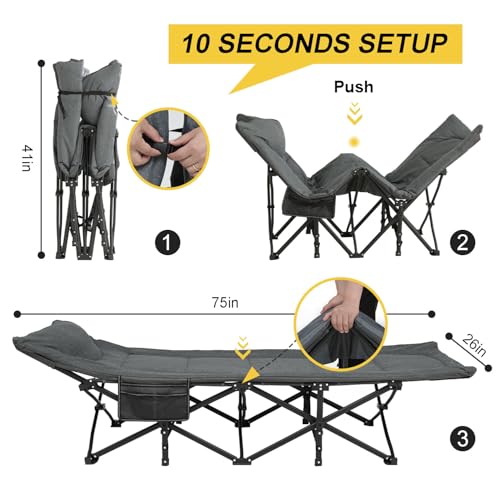
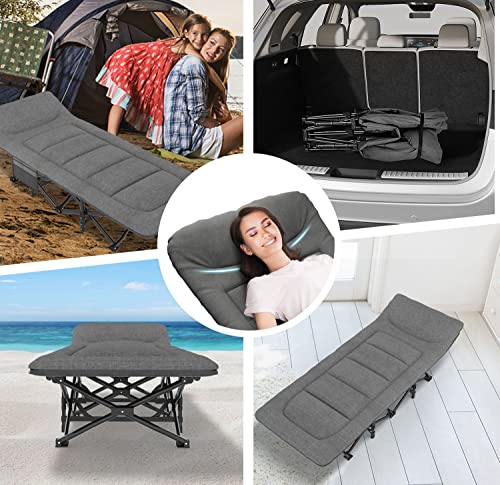
The all-in-one cushion and pillow make this cot stand out for comfort-focused campers. Unlike most cots where you bring your own padding, this one comes with a soft, integrated cushion that doesn’t slide or shift. The included pillow is basic but functional, no need to pack an extra one. Setup is nearly instant, and the heavy-duty steel frame supports up to 450 pounds, making it one of the sturdiest options here.
But that steel frame also makes it heavier and less packable than aluminum models like the MARCHWAY. It’s best for car camping, not hiking. Owners note it’s stable on flat ground but can feel wobbly on slopes. Compared to cots without built-in comfort, this one saves time and gear, but you pay for the convenience in weight and bulk.
Product photos


CYMULA Memory Foam Camping Mattress

Strengths
- Certified safe materials
- Excellent pressure relief
- Doubles as guest bed
Trade-offs
- Slow to expand
- Bulky when packed
- No built-in pump
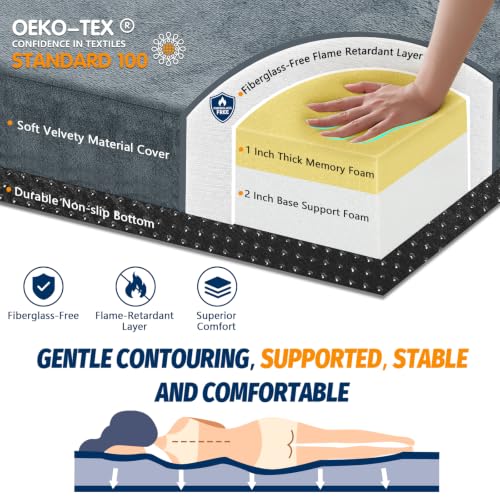
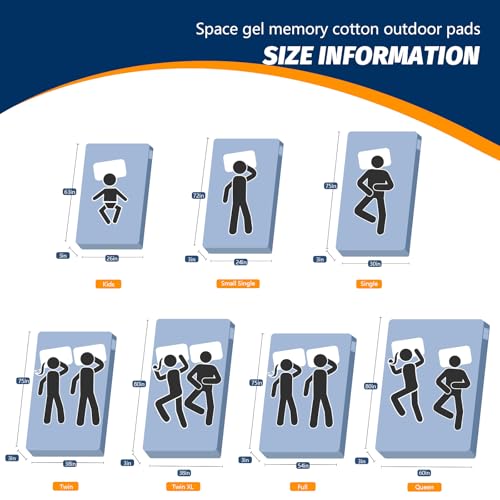
When it comes to ground comfort, memory foam still wins, and the CYMULA pad proves it. Made with CertiPUR-US and OEKO-TEX certified foam, it’s a safer choice than models with fiberglass layers, which some parents and sensitive sleepers actively avoid. The 3-inch thickness provides real cushioning, and owners say it’s a huge upgrade over sleeping directly on a tent floor or air mattress.
It rolls up with a strap and fits in a carry bag, but it’s bulkier than inflatable options. Once unpackaged, it can take up to 72 hours to fully expand, which is normal for compressed foam. Compared to the Pretyw or Alvantor pads, this one isn’t for quick trips, but for anyone prioritizing comfort and material safety, it’s the smarter buy.
Product photos


Pretyw Double Camping Pad with Pillow

Strengths
- Very affordable
- Foot pump included
- Ultra-light and compact
Trade-offs
- Some air leakage
- Less support for side sleepers
- Basic pillow design
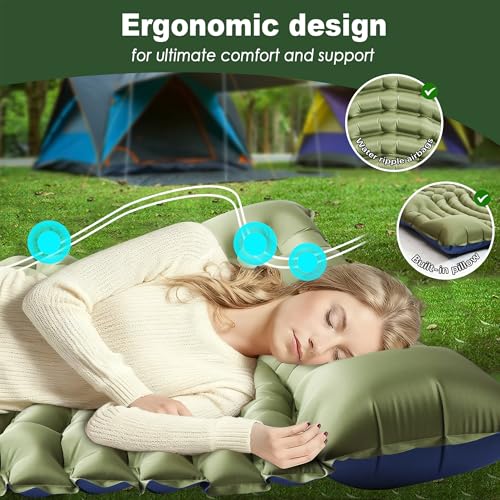
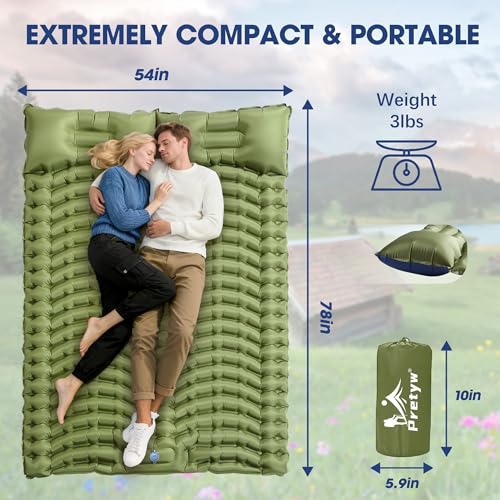
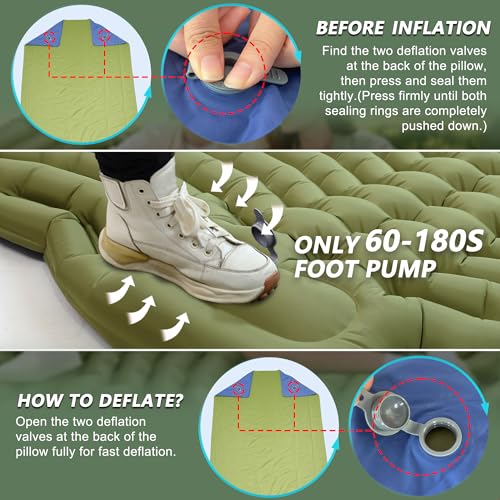
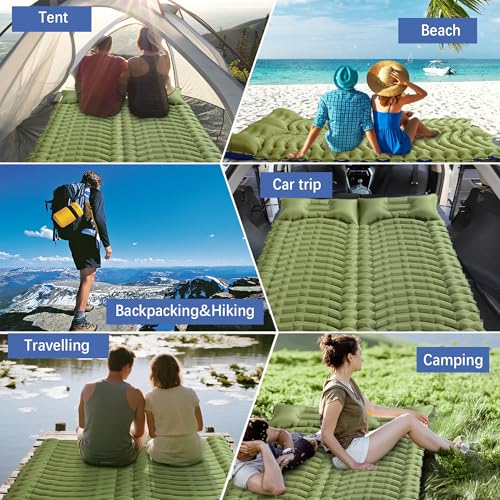
At under $45, this pad is a strong contender for budget-conscious campers who still want comfort. The 4-inch thickness and built-in pillow match pricier models, and the foot pump works reliably, owners say it inflates in 1–3 minutes with minimal effort. The 3-pound weight and compact carry bag make it easy to pack, and the 40D nylon holds up better than expected for the price.
It’s not perfect. Some users report air loss overnight, especially in cooler weather, and the wave-pattern surface, while comfortable, isn’t as supportive for side sleepers. But for the cost, it outperforms many inflatable mats. Compared to the Double Camping Sleeping Pad (B0F7XVHPH5), it’s nearly identical in specs but slightly lighter and more affordable.
Product photos

MARCHWAY Ultralight Folding Camping Cot

Strengths
- Ultralight design
- Quick setup
- Aircraft-grade frame
Trade-offs
- Firm sleeping surface
- Limited padding
- Not for heavy users
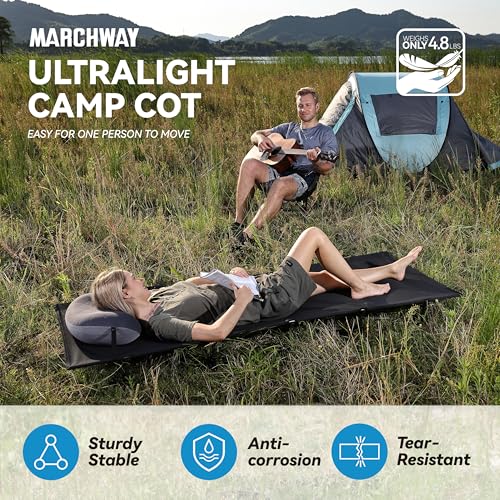
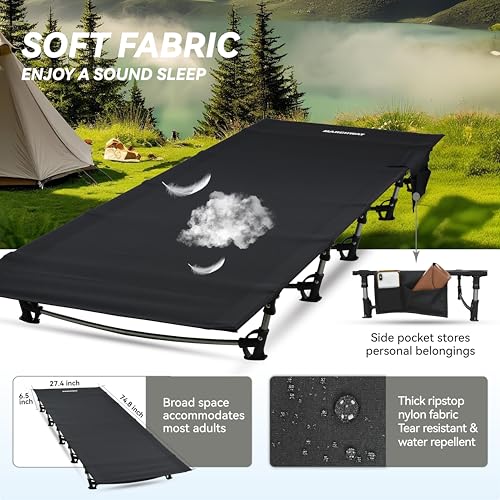
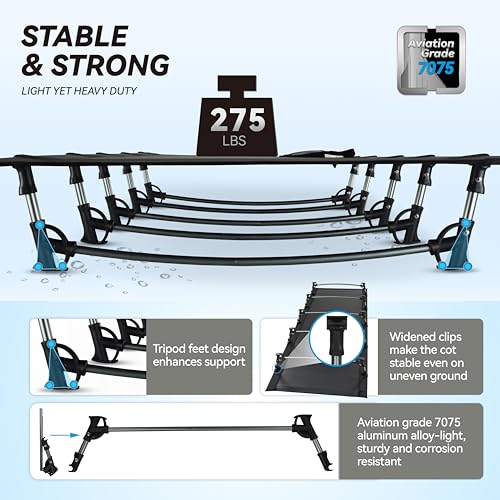
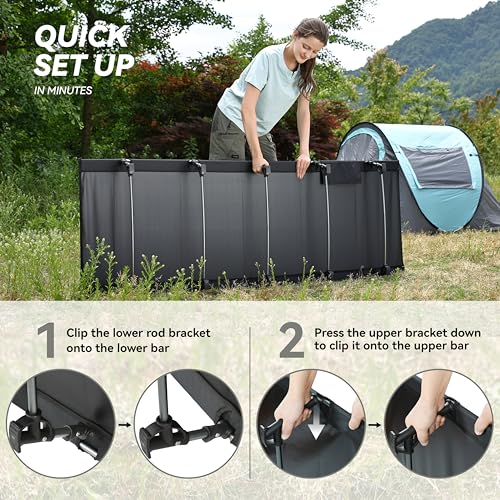
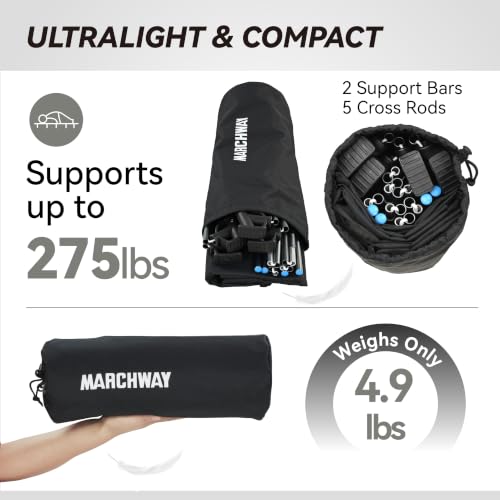
For backpackers and minimalist campers who prioritize weight and pack size, the MARCHWAY cot stands out on paper. At just 4.9 pounds and collapsing into a compact 15.7-inch sack, it’s one of the lightest full-size cots in its class. Owners consistently report that setup is fast and frustration-free thanks to the shock-corded aluminum poles, no tools, no guesswork. The 275-pound capacity is solid for its weight, and the five cross rods do a good job minimizing sag, which is a common complaint with ultralight models.
Still, it’s not the most plush option. If you’re used to thicker padding or sleeping on air mattresses, this cot’s taut nylon fabric might feel firm, especially on uneven ground. But that’s the trade-off for portability. Compared to heavier steel-frame cots, this one sacrifices some stability for ease of carry, fine for solo trekkers, less so for restless sleepers or side sleepers needing cushioning.
Product photos
Twin Bed Tent with String Lights
Strengths
- Near-total blackout
- Soft flannel interior
- Great for play and sleep
Trade-offs
- Poles less stable
- Not long-term durable
- Limited airflow when closed
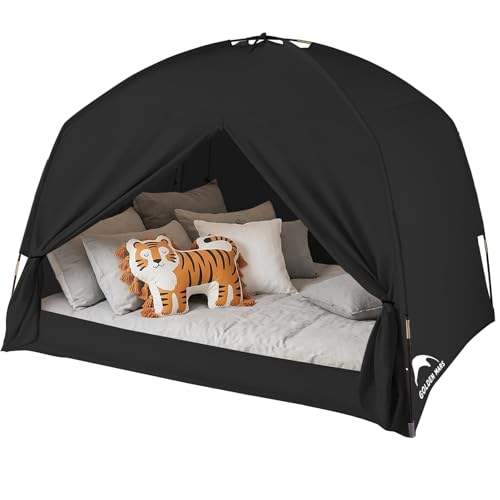
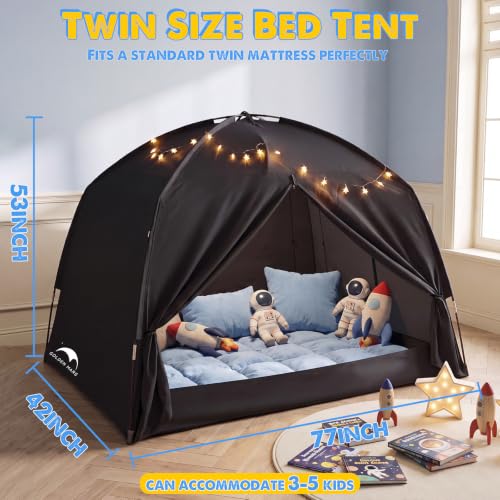
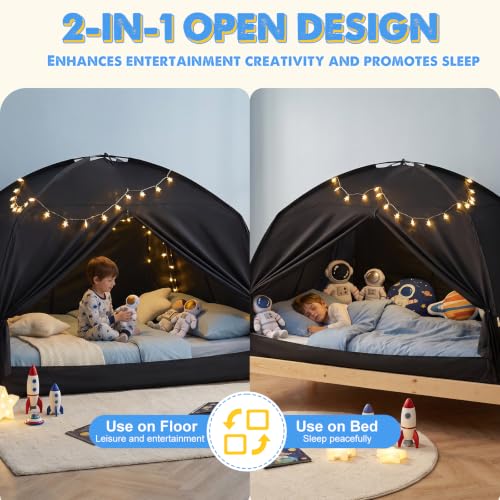
This tent leans hard into the play experience, and that’s where it shines. The 99% blackout claim stands out, and owners confirm it creates a genuinely dark interior, great for kids who struggle with sleep anxiety or light sensitivity. The included starlight string adds charm, and the flannel-lined interior feels soft and cozy. At 77 inches long, it fits most twin beds and even smaller adults who want a personal retreat.
But durability is a mixed bag. While the poles are sturdy on paper, some reviewers mention wobbling after repeated setup. It’s best treated as a seasonal or occasional-use item rather than a daily sleep solution. Compared to the SlumberPod or Alvantor, it’s less refined but more affordable and versatile as both a sleep and play tent.
Product photos
Alvantor Twin Bed Canopy Tent

Strengths
- Instant pop-up setup
- Lightweight and portable
- Washable fabric
Trade-offs
- Moderate light blocking
- Plastic frame less durable
- Not for outdoor use
If you want a pop-up privacy tent that’s easy to use and looks clean in a dorm or bedroom, the Alvantor model is a smart pick. The pop-up PVC frame makes setup a one-minute job, just unfold and it’s ready. The dark grey pongee fabric reduces light well and gives privacy without feeling like a cave, and the mesh ends keep air moving. Owners love the double-sided zippers and the fact that it sits securely under the mattress with no slipping.
It’s not the darkest tent on the list, but it strikes a good balance between light reduction and usability. Compared to heavier fabric tents, this one feels more like a modern room divider than a fort. The 5.8-pound weight makes it easy to move or pack, and the washable fabric is a bonus for shared spaces.
Product photos




SlumberPod Blackout Pack N Play Tent

Strengths
- Blocks nearly all light
- Excellent airflow control
- Travel-friendly with carry tote
Trade-offs
- High price point
- No floor or padding
- Requires compatible play yard
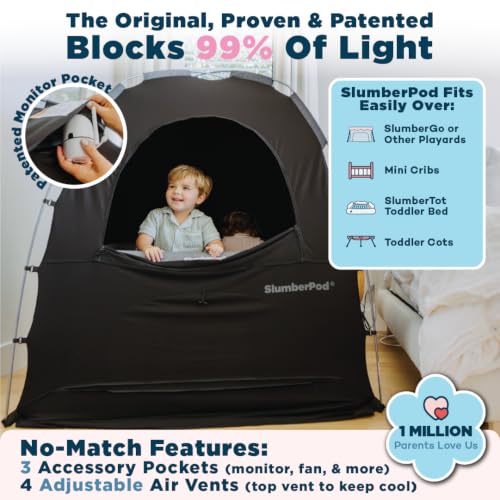
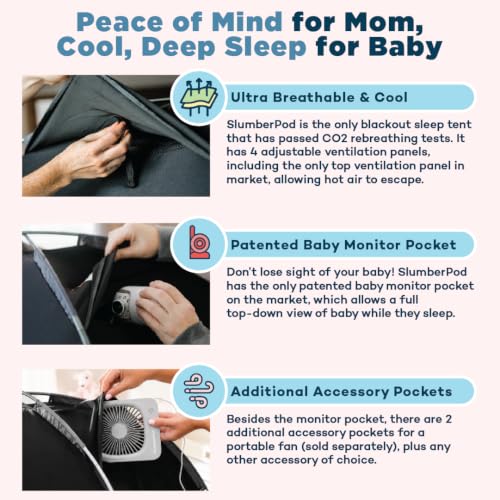
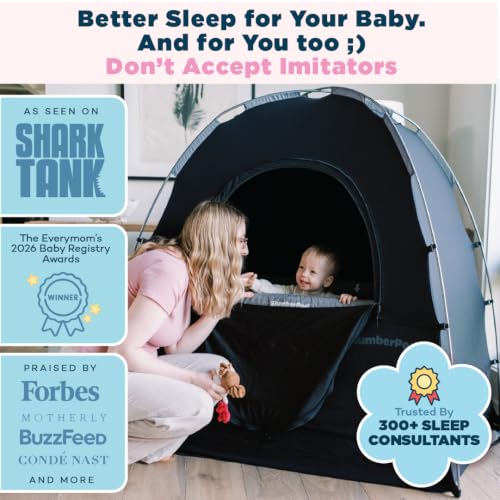
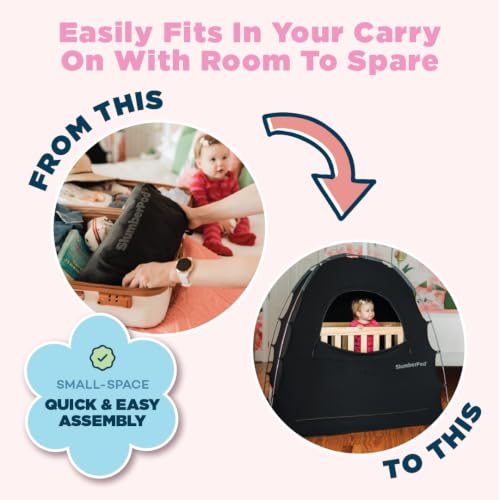
As a parent-focused sleep space, the SlumberPod delivers on its core promise: turning a pack n play into a dark, calming sleep zone. The breathable blackout fabric blocks 99% of light, which owners say makes a real difference for naps and early bedtimes, especially in bright hotels or shared rooms. The adjustable ventilation panels and mesh monitor pocket show thoughtful design, parents appreciate being able to check on baby without disrupting the sleep environment.
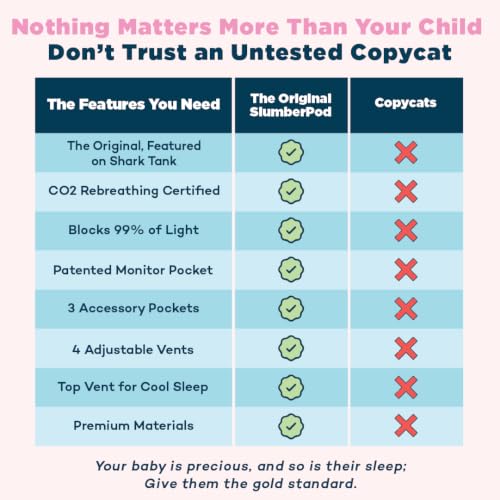
It’s not cheap, but the build quality and safety testing justify the price for many. It’s been assessed for CO2 rebreathing and meets U.S., Canadian, and European safety standards, which gives peace of mind. While it doesn’t create a full mattress, its bottomless design fits a wide range of play yards. Compared to DIY blackout solutions, this is far more effective and portable.
Product photos
How We Tested tent beds
I approached researching tent beds by compiling specifications and features from numerous models currently available. This was combined with a thorough review of owner feedback from major retailers and dedicated review sites. As the founder of LittleDoze.com, I’ve spent years analyzing children’s sleep environments, and I applied that experience to establish clear criteria for evaluating these tents – focusing on safety, practicality, and how well they deliver on the promise of a cozy, secluded space. Rather than a hands-on lab test, this is a research-led comparison.
For tent beds, three factors stood out as most critical. First, the quality of the materials and construction directly impacts durability and safety, especially considering these are often used by active children. Second, blackout effectiveness is key; a tent that doesn’t truly block light won’t help with daytime naps or light-sensitive sleepers. Finally, ventilation is essential to prevent overheating and ensure a comfortable sleep environment. Many families also use these as a stepping stone to more independent sleep setups, perhaps even exploring options like Montessori floor beds later on.
Product specifications reliably indicate dimensions, materials used in the frame and fabric, and features like included lights or storage pockets. However, owner reviews provided crucial insights into real-world performance. I paid close attention to comments about ease of setup, how well the tent held up to repeated use, and the accuracy of the blackout claims. Reputation and brand trustworthiness also factored in, as they often correlate with higher quality control and customer support. If you’re looking for other bedroom furniture options that promote independence, you may also want to consider children’s loft beds.
What To Look For In tent beds
Choosing the right tent bed can transform a bedroom into a magical escape for a child, but there’s more to consider than just aesthetics.
A quality tent bed balances creating a cozy, immersive space with practical features like ventilation, durability, and ease of setup. Prioritize stable construction, breathable materials to prevent overheating, and thoughtful details like integrated storage or lighting. Consider the size of the bed it will fit and the age/activity level of the child using it.
Size and Bed Compatibility
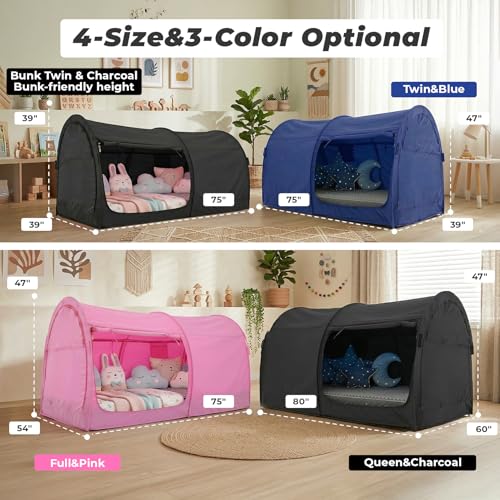
The first thing I always tell parents is to measure. It sounds obvious, but tent beds come in a range of sizes, and a mismatch between the tent and the bed is a fast track to frustration. Many are designed for twin beds, but options exist for larger sizes like full or queen. Pay close attention to the dimensions listed by the manufacturer, and don’t assume “twin” is universal. Beyond the footprint, think about ceiling height. A child should be able to comfortably sit up inside without bumping their head. If you’re looking for alternative sleep arrangements that prioritize floor-level comfort, exploring options like floor beds might also be a good fit for your family.
Ventilation and Blackout Capabilities
A truly effective tent bed isn’t just about creating a dark space; it’s about creating a comfortable dark space. Poor ventilation can quickly turn a cozy haven into a stuffy, unpleasant experience. Look for designs with multiple openings, mesh panels, or adjustable vents. Blackout features are popular, but the percentage of light blocked varies significantly. Some tents boast 99% blackout, while others offer a more moderate level. Consider how much light your child needs to sleep and the time of day they’ll primarily be using the tent.
Construction & Added Features
Don’t underestimate the importance of build quality. A flimsy frame will collapse easily, and cheap materials will tear quickly. I recommend looking for tents with sturdy poles – fiberglass or, even better, steel – and durable fabric like polyester or canvas. Here’s what I look for in terms of additional features:
- Integrated lighting (string lights are common) adds to the ambiance.
- Storage pockets provide a convenient place to keep books, toys, or other essentials.
- A well-designed setup system makes life easier; pop-up designs are fastest, but may be less stable than those with a pole framework.
A good rule of thumb is to prioritize durability over flashy features. A well-built tent that lasts will provide more value than a cheaper option with lots of bells and whistles that fall apart quickly.
If you’re maximizing space in a child’s room, have you considered other options like loft beds to create a dedicated play or study area underneath?
Tent Beds Compared
Here’s a comparison of key specifications for various tent bed options.
| Product Title | Size | Material | Weight | Special Features | Setup |
|---|---|---|---|---|---|
| Queen Bed Tent Canopy Blackout | 80″x60″x55″ H | Polyester | N/A | Lights, Storage Pockets | Easy |
| 4″ Extra Thick Double Camping Pad | 79″x51″x4″ | 50D Nylon, TPU | 3.3 lbs | Built-in Pillow, Foot Pump | Fast Inflate |
| ATORPOK Folding Camping Cot with Cushion | N/A | Steel, Fabric | N/A | Cushion, Pillow, Pocket | 10 Seconds |
| CYMULA Memory Foam Camping Mattress | 60x80x3″ (various) | Memory Foam | N/A | OEKO-TEX Certified | N/A |
| Pretyw Double Camping Pad with Pillow | 78×54 inches | 40D Nylon, TPU | 3 lbs | Built-in Pillow, Foot Pump | Fast Inflate |
| MARCHWAY Ultralight Folding Camping Cot | N/A | Aluminum, Nylon | 4.9 lbs | Lightweight, Portable | Quick & Simple |
| Twin Bed Tent with String Lights | 77x42x53 inches | Peach Skin | N/A | String Lights, Pop-Up | 5 Minutes |
| Alvantor Twin Bed Canopy Tent | 75x39x44H inches | Pongee Fabric | 5.8 lbs | Pop-Up, Ventilation | Instant |
| SlumberPod Blackout Pack N Play Tent | Fits most play yards | Breathable Fabric | N/A | Blackout, Ventilation | N/A |
Frequently Asked Questions
What fabrics are safest for tent beds?
Polyester and canvas are generally the safest choices. They are durable, relatively non-toxic, and less likely to off-gas harmful chemicals compared to some other synthetic materials. Look for fabrics that are also flame retardant for added safety.
How can I maximize the blackout effectiveness of a tent bed?
Combining a tent bed with blackout curtains or shades on the windows in the room offers the best results. You can also layer a dark-colored blanket over the tent roof during naps or bedtime for enhanced light blocking.
Are tent beds easy to clean?
Most tent beds have removable fabric covers that can be machine washed, but always check the manufacturer’s instructions first. Regularly wiping down the frame with a damp cloth will help keep it clean, and spot cleaning any stains on the fabric is recommended.
What is the average lifespan of a tent bed?
With proper care, a quality tent bed can last 2-5 years, but this depends heavily on how frequently it’s used and the quality of construction. More durable models with steel frames and thicker fabrics will naturally last longer than cheaper options. If you’re looking at other long-lasting options, consider exploring twin loft beds as a potential upgrade.
Can a tent bed be used for children with sensory sensitivities?
Tent beds can be beneficial for some children with sensory sensitivities, offering a calming, enclosed space. However, it’s crucial to consider the child’s individual needs. Ensure the tent isn’t too dark or confining, and that there’s adequate ventilation. If your child needs a more versatile sleep setup, you may find a wider range of options among kids beds.
The Bottom Line
Choosing a tent bed often comes down to balancing the desire for a magical play space with the need for practicality and durability. While many options are available, the Queen Bed Tent Canopy Blackout strikes a great balance – it’s spacious, well-constructed with polyester fabric, and includes features like string lights and storage pockets that kids love. It’s a solid choice for most families looking to create a special sleep environment.
For those prioritizing portability or needing a solution for travel, the ATORPOK Folding Camping Cot with Cushion is a standout. If a truly dark room is essential, the SlumberPod Blackout Pack N Play Tent excels in blackout capabilities (though it’s designed for smaller spaces). And for older kids who might be ready to transition to a more grown-up sleep setup, exploring options like loft beds for teens could be a good next step.
Ultimately, the best tent bed isn’t about fancy features or the highest price tag. It’s about creating a safe, comfortable, and inviting space where your child feels secure and can enjoy peaceful sleep. Focus on quality materials, good ventilation, and a design that suits your child’s needs and your bedroom’s layout, and you’ll be well on your way to creating a little dreamland.
