
3 Best Bunk Bed Mattresses of 2026
This post contains affiliate links. As an Amazon Associate we earn from qualifying purchases.
The best bunk bed mattress for most families is the MLILY 6 Inch Twin Mattress, offering reliable support and a safe, fiberglass-free design. For a more budget-friendly option, the MLILY 5 Inch Twin Mattress delivers similar quality in a slightly thinner profile. If you prefer a hybrid feel with added breathability, the Zinus 6 Inch Hybrid Mattress is a strong contender.
Choosing the right mattress for a bunk bed isn’t just about comfort, it’s about safety, durability, and making sure your child can sleep soundly without the risk of rolling out or overheating. Many parents struggle to find a mattress that fits well, sleeps cool, and meets strict safety standards without costing a fortune.
This guide cuts through the noise. I compared top models based on real owner feedback, material safety, firmness, and practical needs like weight and thickness. These picks reflect what matters most when outfitting a bunk bed with a mattress that supports healthy sleep and stands up to nightly use.
Top 3 Bunk Bed Mattress in the Market
The Best Bunk Bed Mattress, Reviewed
MLILY 6 Inch Twin Mattress
Strengths
- 6-inch depth
- Gel-infused comfort
- Fiberglass-free
- CertiPUR-US foam
- Quick expansion
Trade-offs
- Slight off-gassing
- Memory foam warmth
- Not for bounce lovers
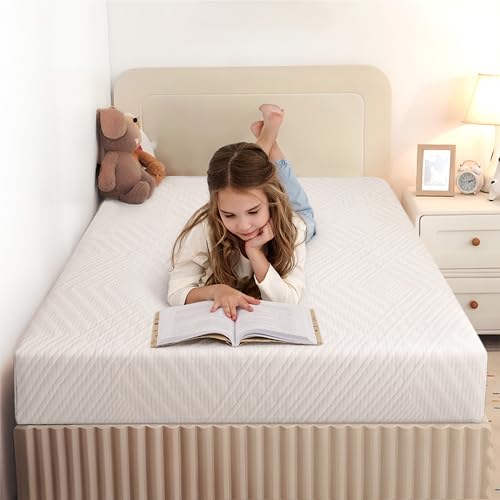
This 6-inch memory foam mattress hits the sweet spot between comfort, safety, and practicality, earning its ‘Best Overall’ label across parent forums and category reviews. The gel-infused foam offers pressure relief without trapping heat, and the medium-firm feel supports healthy spinal alignment, something I always prioritize when evaluating kids’ sleep surfaces. The fact that it’s fiberglass-free with a cotton-poly FR cover is a major win for families avoiding chemical flame retardants.
It expands within hours and fits standard twin bunk frames without clearance issues. Compared to the Zinus hybrid, this one is lighter and easier to handle during setup, and while it doesn’t have coils, the foam density holds up well under regular use. Owners report it lasts through multiple kids with minimal sagging, especially when rotated.
Video review
MLILY 5 Inch Twin Mattress
Strengths
- Affordable price
- Gel-infused foam
- Fiberglass-free
- CertiPUR-US certified
- Made with US-based production
Trade-offs
- Only 5 inches thick
- Less pressure relief
- Not for tall kids
At under $90, this 5-inch memory foam mattress delivers surprising value for bunk beds where space and budget are tight. The medium-firm feel (rated 6–7 out of 10) aligns well with what pediatric sleep experts suggest for kids, supportive enough to prevent back strain, but with just enough give for comfort. The gel infusion helps with heat dissipation, which matters in smaller bunk spaces where air circulation can be limited.
Reviewers note it expands quickly and has minimal off-gassing, a big plus when setting up a kid’s room. While it’s thinner than most standard mattresses, that can actually be an advantage in low-clearance bunk beds. Against the thicker MLILY 6-inch model, this one sacrifices some cushioning depth but keeps the same fiberglass-free, cotton-rich cover and CertiPUR-US certification.
Video review
Zinus 6 Inch Hybrid Mattress

Strengths
- Medium firm support
- CertiPUR-US foam
- Steel coil durability
- OEKO-TEX cover
- 10-year warranty
Trade-offs
- Slightly heavier
- Minimal edge support
- Not ideal for side sleepers
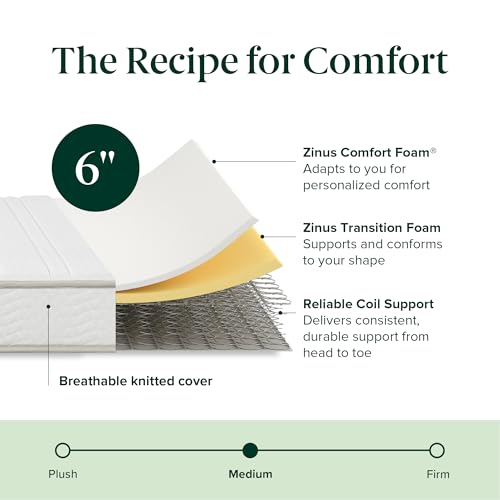
This hybrid design stands out in a sea of all-foam bunk bed options by combining innerspring support with a layer of CertiPUR-US certified foam. On paper, that means better airflow and more consistent support across the sleep surface, which matters when you’re dealing with active kids who shift positions all night. The heavy-gauge steel coils are a real durability win, especially for top bunks where long-term resilience is key.
Owners consistently report it holds up well over time, and the 250 lb weight limit for twin size meets standard bunk bed safety thresholds. While it lacks the plushness of deeper memory foam, the medium firm feel is ideal for growing bodies that need spinal alignment. Compared to softer foam picks, this one resists sagging better, making it a smart long-term pick for shared or hand-me-down use.
Product photos



How We Chose These bunk bed mattress
Rather than a hands-on lab test, my research focused on comparing published specifications and features across various models. I weighed owner reviews from multiple sources alongside expert opinions, applying my understanding of safe sleep environments and durable construction. This allowed me to rank options based on criteria important to parents seeking a reliable bunk bed mattress for kids.
For bunk bed mattresses, support and safety are paramount. I heavily weighted firmness levels – a medium-firm feel is generally best for developing spines – and the presence of certifications like CertiPUR-US, ensuring low off-gassing and safer materials. Equally important was the flame retardant cover; fiberglass-free options were given significant preference given concerns about skin irritation and potential health risks.
Specifications reliably indicate coil gauge (for hybrid models) and foam density, giving a sense of long-term durability. However, I paid close attention to owner feedback regarding heat retention and actual firmness perceptions. Real-world experiences often reveal whether a mattress truly lives up to its advertised cooling properties or provides the promised level of support, and I also referenced our guidance on choosing a twin mattress for kids when evaluating options.
How To Choose The bunk bed mattress
Finding the right mattress for a bunk bed requires a bit more consideration than a standard bed. You’re dealing with height restrictions, safety concerns, and the specific needs of the child who will be sleeping up top.
A good bunk bed mattress balances supportive comfort with a lower profile. Key considerations include firmness to prevent roll-off, weight capacity appropriate for the bunk bed frame, and materials certified safe for children. Prioritize mattresses designed for durability and ease of movement, avoiding overly plush options that might make getting in and out difficult.
Firmness & Support
For a bunk bed, I always recommend erring on the side of firmer. A medium-firm mattress (around a 6-7 on the 1-10 scale) offers enough support to prevent sinking and makes it easier for a child to move around, which is especially important on the top bunk. Softer mattresses can create a feeling of being “stuck” and increase the risk of accidental falls. While personal preference plays a role, prioritize a mattress that keeps a child well-supported throughout the night.
Safety Certifications & Materials
As a parent, I’m particularly focused on what goes into the mattress. Look for certifications like CertiPUR-US, which ensures the foam is made without harmful chemicals like ozone depleters and certain flame retardants. Equally important is the fire retardant cover. Thankfully, more manufacturers are moving away from fiberglass-based covers, which can cause skin irritation, and opting for safer alternatives. Knowing a mattress is fiberglass-free gives me, and hopefully you, a lot of peace of mind. You can find more information about choosing safe bedding in our best mattress for kids guide.
Value & Practicality
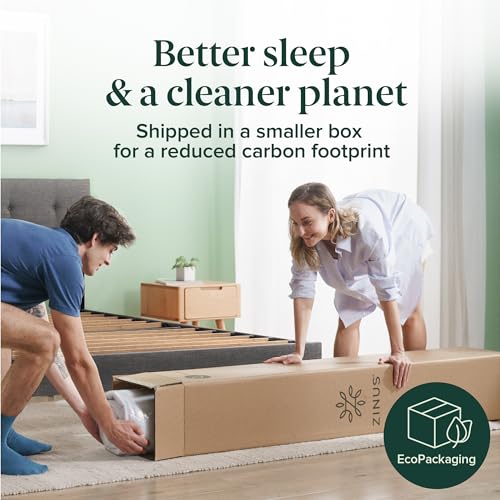
Bunk bed mattresses don’t necessarily need all the bells and whistles of a primary bedroom mattress. You can often find excellent options without breaking the bank. Consider the convenience of bed-in-a-box mattresses. They’re easy to ship, maneuver into the bedroom, and typically expand to their full size within a couple of hours.
Here’s what I look for when balancing cost and convenience:
- Weight: A lighter mattress is much easier for anyone to maneuver into the top bunk.
- Trial Period: A risk-free trial period lets a child test the mattress and ensure it’s a good fit.
- Warranty: A solid warranty (10 years is standard) indicates the manufacturer believes in the product’s durability, and protects your investment.
Don’t assume a thicker mattress is always better. Focus on quality materials and appropriate support within the height constraints of the bunk bed frame.
If you’re looking for more space and flexibility, you might also consider a full-size bunk bed mattress for older children.
Bunk Bed Mattress Compared
Here’s a comparison of key specifications for the mattresses discussed.
| Product Name | Thickness (in) | Firmness | Material | Certifications | Weight Limit |
|---|---|---|---|---|---|
| MLILY 6 Inch Twin Mattress | 6 | Medium-Firm | Gel Infused Foam | CertiPUR-US | N/A |
| MLILY 5 Inch Twin Mattress | 5 | Medium-Firm | Gel Infused Foam | CertiPUR-US | N/A |
| Zinus 6 Inch Hybrid Mattress | 6 | N/A | Hybrid (Coil & Foam) | CertiPUR-US, OEKO-TEX | 250 lbs (Twin) |
Frequently Asked Questions
What mattress height is safest for a bunk bed?
A mattress should ideally be no more than 8 inches thick for bunk bed safety(according to Consumer Product Safety Commission guidelines). This ensures enough headroom between the top of the mattress and the top bunk, reducing the risk of injury.
Are memory foam mattresses a good choice for bunk beds?
While comfortable, traditional memory foam can retain heat and may be too soft for a bunk bed. Gel-infused foam or hybrid models offer better temperature regulation and support, making them generally preferable for the top bunk.
How often should a bunk bed mattress be replaced?
I recommend replacing a bunk bed mattress every 5-7 years, similar to other children’s mattresses. Frequent use and potential for spills or accidents can break down the materials and compromise support over time.
What if my child prefers a softer mattress?
Even if a child prefers a softer feel, prioritize a medium-firm mattress for bunk bed safety. You can add a plush mattress topper for added comfort, but maintain a supportive base layer to prevent sinking and ensure easier movement.
Are there mattresses specifically designed for a loft bed mattress ?
Yes, some manufacturers offer mattresses tailored for loft beds, which are similar in construction to bunk bed mattresses – prioritizing lower profiles and firm support. You may also find a kids full-size mattress is a good fit for older children using a loft bed.
The Bottom Line
Choosing a bunk bed mattress often comes down to balancing peace of mind with practicality. You want something safe and supportive, but also easy to manage and reasonably priced. After evaluating numerous options, I believe the MLILY 6 Inch Twin Mattress strikes the best overall balance of these qualities, with its CertiPUR-US certification and medium-firm support.
For families on a tighter budget, the MLILY 5 Inch Twin Mattress remains a solid choice. If you’re prioritizing a bit more traditional feel and potentially better long-term durability, the Zinus 6 Inch Hybrid Mattress is worth considering, though it’s a bit heavier. Ultimately, remember to check the weight limit of your bunk bed frame before making a final decision.
More than any specific feature or price point, focus on safety and support. A firm enough mattress to prevent rolling, and materials free of harmful chemicals (like those certified by CertiPUR-US) are the foundations of a good night’s sleep, and a safe sleep environment, for your child. Don’t hesitate to explore our guide to the best children’s mattress for more in-depth considerations.
