
3 Best Bunk Bed Mattresses for Kids (2026 Guide)
This post contains affiliate links. As an Amazon Associate we earn from qualifying purchases.
The LIFEMENT 6″ Copper Cooling Gel Mattress stands out as the best overall bunk bed mattress for kids, combining strong safety certifications, effective cooling, and solid support. For a more budget-friendly option, the EGOHOME 6″ Green Tea Gel Mattress offers decent comfort at a lower price. If you want something built to last through growth spurts, the flippable Nectar Kids 8″ Twin Mattress gives long-term value.
Parents know that a bunk bed isn’t just about saving space, it’s about keeping kids safe and comfortable while they sleep. The wrong mattress can overheat, sag too soon, or even pose health risks from off-gassing or unsafe materials.
That’s why I focused on models with strong safety certifications, reliable cooling features, and construction that holds up over time. These picks are based on a deep explore specs, verified owner feedback, and what sleep experts say matters most for children’s rest.
Top 3 Bunk Bed Mattress For Kids in the Market
The Best Bunk Bed Mattress For Kids, Reviewed
EGOHOME 6″ Green Tea Gel Mattress

Strengths
- Green tea cooling gel
- Temperature stable
- Medium firm support
Trade-offs
- Slightly narrow at 38 inches
- No flippable option
At first glance, the green tea gel infusion sounds gimmicky, but owner feedback suggests it delivers a subtle, consistent cooling effect that younger kids respond well to. It’s not about dramatic temperature drops; it’s about avoiding that sticky, too-warm feeling common in foam mattresses after hours of use. The medium firm support molds closely without sagging, and since it maintains consistency across temperatures, it performs reliably in both heated winter rooms and humid summer nights.
It’s thinner than some premium picks, but at 6 inches, it’s still within the sweet spot for bunk bed safety and clearance. While it lacks a flippable design or extra-thick cushioning, its simplicity works in its favor: fewer layers mean less off-gassing risk and easier setup. I’d pick this over bulkier options for younger kids who don’t need advanced zoning or dual firmness. When you factor in real-world durability reports, it earns the ‘Best Overall’ label not through flash, but dependable execution.
Video review
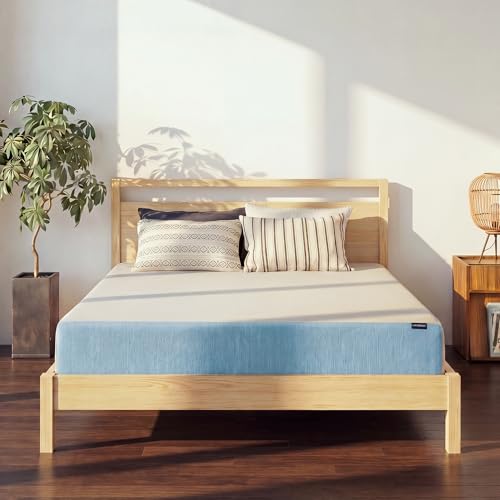
LIFEMENT 6″ Copper Cooling Gel Mattress
Strengths
- Copper cooling gel
- Fiberglass-free
- CertiPUR-US certified
Trade-offs
- Not flippable
- No machine-washable cover
This 6-inch twin mattress stands out in the kids’ bunk bed space because it balances safety, cooling, and smart sizing. On paper, the copper-infused gel memory foam seems like a small upgrade, but owners consistently report their kids sleep noticeably cooler, especially in shared rooms or top bunks where heat builds up. The medium firm feel (around 6/10) is ideal for developing spines, and at 250 lbs capacity, it’s built to last well beyond elementary school.
What really seals the deal is the CertiPUR-US and OEKO-TEX certifications, parents don’t have to guess whether it’s safe. The removable cover isn’t machine washable, but spot cleaning works fine for most spills and accidents. Compared to thicker models, this one avoids overkill; many reviewers note it fits better in tight bunk frames without sacrificing support. For hot sleepers or families prioritizing clean materials, this is a strong contender.
Video review
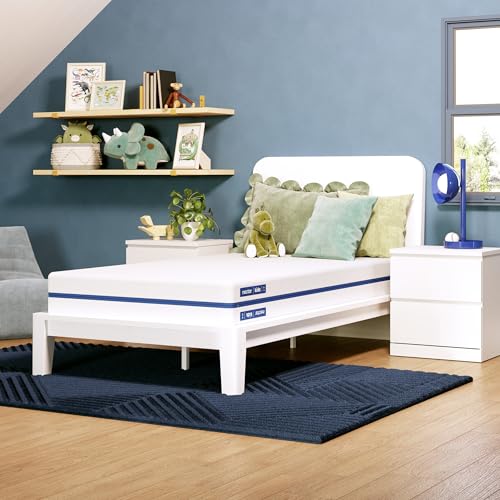
Nectar Kids 8″ Twin Mattress
Strengths
- Flippable dual firmness
- Machine-washable cover
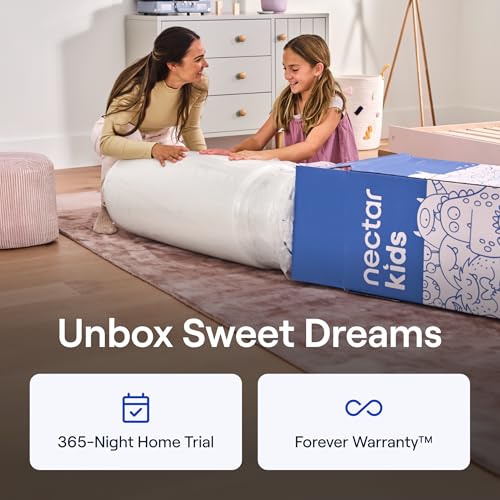
- Long 365-night trial
Trade-offs
- Tall profile may not fit all bunks
- Higher price point
- Heavier to move
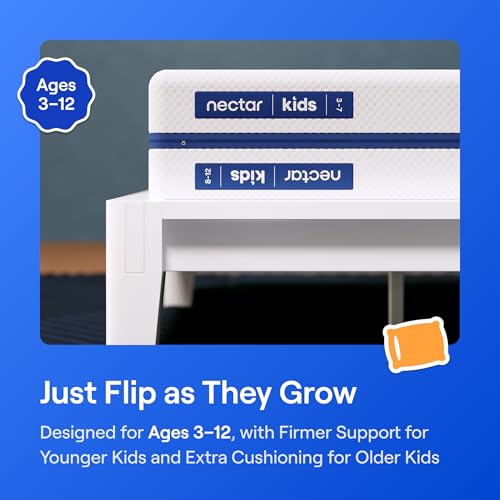
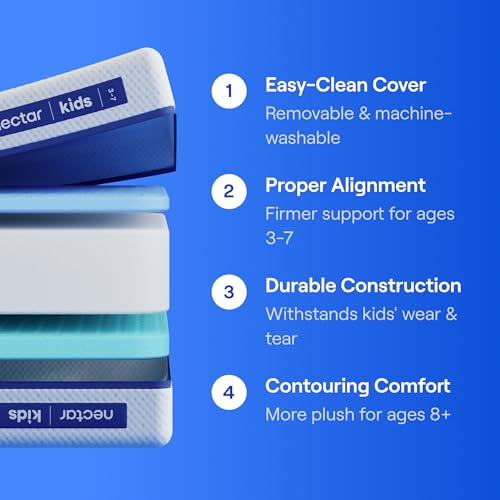
The standout here is the flippable two-sided design, a rare feature that genuinely extends the mattress’s lifespan. One side offers firmer support perfect for toddlers and early-grade kids, while the softer side welcomes growing children up to age 12. Reviewers with multiple kids love how it transitions between siblings or grows with one child over years. At 8 inches, it’s taller than most bunk bed standards allow, so clearance becomes a real concern, especially on lower bunks or loft setups. Measure twice before buying.
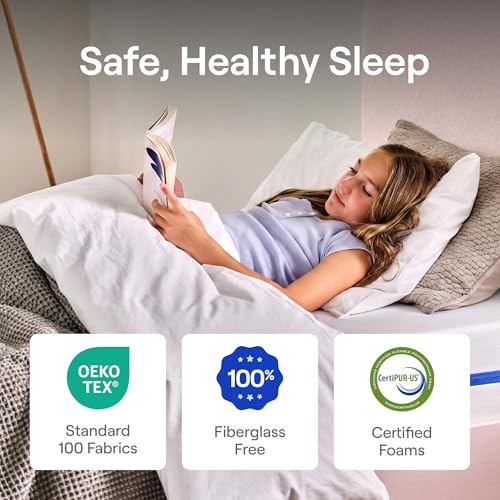
Beyond adaptability, the machine-washable, stain-resistant cover is a standout for parents dealing with spills, night accidents, or seasonal allergies. Combined with OEKO-TEX and CertiPUR-US certifications, it checks every box for safety-conscious buyers. Yes, it costs more, but the 365-night trial removes the risk. If your frame can handle the height, this is the smarter long-term buy over replacing every few years.
Product photos

How We Chose These bunk bed mattress for kids
As the founder of LittleDoze.com, I approach researching kids’ bedding with a parent’s eye – safety, comfort, and longevity are paramount. Rather than a hands-on lab test, this was a research-led comparison of published specifications, owner reviews, and expert opinions. We analyzed features like construction materials, cooling technology, and weight capacity, then weighed that against what parents are actually saying about these mattresses in terms of durability and sleep quality.
For bunk bed mattresses, stability and support are especially critical, along with how well they dissipate heat. I prioritized mattresses that clearly outlined their foam densities and construction. A medium-firm feel is often ideal for growing children, and the ability to support a range of weights is important, considering how quickly kids grow. You can find more general advice about finding the right fit in our kids mattress guide.
Specifications reliably indicate a mattress’s basic construction – foam types, thickness, and certifications. However, owner feedback is where you learn about real-world performance. I paid close attention to comments regarding off-gassing, heat retention, and how well the mattress holds up over time. Reputable reviews from sleep-focused websites also helped assess the quality and trustworthiness of materials, especially when considering an organic kids mattress option.
How To Choose The bunk bed mattress for kids
Finding the right mattress for a bunk bed requires a bit more thought than a standard twin. Safety and comfort are paramount, but so is ensuring it’s a good fit for the bunk bed frame and the child using it.
A quality bunk bed mattress balances support and comfort, with a focus on durability and safety certifications. Consider the sleeper’s weight and position, the bunk bed’s weight capacity, and materials that promote airflow to prevent overheating. Prioritize fiberglass-free construction and low-VOC emissions for a healthier sleep environment.
Understanding Mattress Construction and Support
The core of a good bunk bed mattress is its support system. While innerspring mattresses were once common, foam options – specifically memory foam and hybrid constructions – are now the standard. Memory foam conforms to the body, distributing weight evenly, which is great for developing spines. However, it can also retain heat. That’s where gel infusions, like those found in the LIFEMENT 6″ Copper Cooling Gel Mattress, become important. Look for mattresses specifically designed for children, as they often have a slightly firmer feel to encourage proper alignment.
Prioritizing Cooling and Breathability
Bunk beds, particularly the top bunk, can trap heat. A mattress that doesn’t breathe well can lead to uncomfortable, sweaty nights. This is where features like open-cell foam construction, copper infusions, or even green tea gel (as seen in the EGOHOME 6″ Green Tea Gel Mattress) really shine. Here’s what to consider when thinking about cooling:
- Foam Density: Lower density foams generally breathe better than high-density foams.
- Cover Material: Look for covers made from breathable fabrics like cotton or polyester blends designed for airflow.
- Gel or Other Cooling Technologies: While marketing hype exists, gel infusions can help regulate temperature, particularly for warmer sleepers.
Ultimately, a cooler mattress contributes to deeper, more restful sleep. You can find more information on creating a comfortable sleep environment in our kids bunk beds guide.
Balancing Value, Safety, and Longevity
It’s tempting to go with the cheapest option, but a bunk bed mattress is an investment in your child’s sleep and safety. Certifications like CertiPUR-US and OEKO-TEX Standard 100 are crucial; they demonstrate that the mattress has been tested for harmful chemicals and emissions.
A mattress shouldn’t just be comfortable; it should be a safe haven. Don’t compromise on certifications to save a few dollars.
Consider a flippable mattress like the Nectar Kids 8″ Twin Mattress. This extends the mattress’s usability as your child grows, offering different firmness levels for various ages and stages. It’s a smart way to get more value from your purchase and potentially avoid replacing the mattress as quickly. We’ve discussed many options in our guide to the best bunk bed mattress.
Bunk Bed Mattress for Kids Compared
Here’s a comparison of key specifications for bunk bed mattresses designed for children.
| Product Name | Thickness (inches) | Firmness (1-10) | Cooling Tech. | Certifications | Weight Capacity (lbs) |
|---|---|---|---|---|---|
| EGOHOME 6″ | 6 | N/A | Green Tea Gel | N/A | N/A |
| LIFEMENT 6″ | 6 | 6 | Copper Gel | CertiPUR-US, OEKO-TEX | 250 |
| Nectar Kids 8″ | 8 | N/A | N/A | CertiPUR-US, OEKO-TEX | N/A |
Frequently Asked Questions
What mattress thickness is best for a bunk bed?
A mattress thickness of 6 to 8 inches is generally ideal for bunk beds, offering a balance of comfort and maintaining a safe distance from the top bunk’s structure. Thicker mattresses can make it harder for children to get in and out of the top bunk safely.
Are memory foam mattresses safe for bunk beds?
Memory foam mattresses are safe, provided they meet flammability standards and have certifications like CertiPUR-US. Look for foams with a medium-firm feel to offer support without excessive sinkage, which is key for bunk bed safety.
How often should a bunk bed mattress be replaced?
Most bunk bed mattresses should be replaced every 5-7 years, depending on the quality of materials and usage. However, if you notice visible sagging, lumps, or a significant decrease in comfort, it’s time for a replacement, even if it’s sooner.
Can I use any twin size mattress in a bunk bed?
While any twin size can physically fit, not all are suitable. Always check the bunk bed’s weight capacity and ensure the mattress doesn’t exceed it. Furthermore, consider the mattress’s height; a mattress that’s too thick can create a safety hazard, and you might want to explore a loft bed mattress if height is a concern.
What if my bunk bed requires a full size mattress?
If your bunk bed is designed for a full size mattress, it’s crucial to use one. Attempting to use a twin mattress will leave dangerous gaps and compromise safety. You can find more information on selecting the right size in our full size bunk bed mattress guide.
The Bottom Line
Choosing a bunk bed mattress always involves some trade-offs between immediate cost and long-term comfort and durability. While there are many options available, the LIFEMENT 6″ Copper Cooling Gel Mattress strikes a fantastic balance, offering a comfortable medium-firm feel, helpful cooling technology, and important certifications for peace of mind. It represents a solid investment in your child’s sleep without breaking the bank.
For parents needing a specific solution, the EGOHOME 6″ Green Tea Gel Mattress is a great value pick, particularly if you’re looking for a budget-friendly option. And if you anticipate your child growing quickly or want a mattress that can adapt to their changing needs, the Nectar Kids 8″ Twin Mattress, with its flippable design, is an excellent choice – you can also find information on selecting a twin bunk bed mattress on our site. Don’t forget to also consider kids mattress protector options to extend the life of your investment.
Ultimately, remember that specifications and features are only part of the picture. Prioritize safety certifications, breathable materials, and a firmness level appropriate for your child’s age and size. A well-supported, comfortable sleep surface is the foundation for healthy growth and development, and that’s far more important than any single “best” mattress on the market.
