
How to Help Toddler Sleep With Cough – The Nighttime Guide
This post contains affiliate links. As an Amazon Associate we earn from qualifying purchases.
To help a toddler sleep with a cough, focus on three things: elevate their head, humidify the air, and offer a safe soother like honey. A 2017 CHEST medical guideline suggests honey may offer more relief than no treatment or some common medicines, but it is never for infants under one year due to the risk of botulism. Over-the-counter cough medicines are not recommended for young children.
That guideline reshapes the entire approach. It moves the goal from stopping the cough to managing it safely through the night without introducing new risks from medication. The cough itself is a protective reflex; your job is to make the environment less irritating so the reflex isn’t triggered constantly.
What follows is the practical breakdown of that three-part plan, the specific dos and don’ts for each step, and the clear signs that mean you should pick up the phone instead of another pillow.
Key Takeaways
- Elevate your toddler’s head with a pillow or a mattress wedge. This simple shift uses gravity to prevent mucus from pooling in their throat, which is the primary trigger for nighttime coughing fits.
- Run a clean, cool-mist humidifier. Moist air soothes irritated airways. A dirty humidifier blows mold or bacteria into the room, making congestion worse.
- For toddlers over one year, a half-teaspoon of honey before bed can coat and soothe the throat. Never give honey to an infant under 12 months due to the risk of infant botulism.
- Avoid over-the-counter cough and cold medicines for young children. Major guidelines suggest against their use because they haven’t been shown to make coughs resolve sooner and can cause serious side effects in kids under four.
- Know the red flags: a cough lasting more than a week, labored breathing, a high fever, or a “whooping” sound on inhalation all warrant a call to your pediatrician.
The 3-Step Nighttime Plan for a Coughing Toddler
This isn’t about curing the cold. It’s about managing the specific mechanics that turn a daytime sniffle into a night of broken sleep. Target the throat irritation and the postnasal drip, and you give their body a chance to rest and fight the virus.
Step 1: Elevate to Drain
Lying flat is the worst position for a cough. Mucus from a stuffy nose drips down the back of the throat, a postnasal drip, and tickles the airway. The body’s response is to cough to clear it. Elevating the head changes the angle.
You have two safe options. For a toddler in a crib, place a firm pillow or a specially designed mattress wedge under the fitted sheet at the head of the mattress. The entire mattress surface should remain flat and firm; you’re creating a gentle slope. For a toddler in a bed, a single, firm toddler pillow is sufficient. The goal is a slight incline, not a steep hill.
Common mistake: Using multiple adult pillows or soft bedding to prop a toddler up. This creates unsafe gaps where they can roll and become trapped. Always use one firm, age-appropriate support underneath the mattress sheet.
The effect is immediate. Gravity helps drain the mucus toward the stomach instead of letting it sit in the throat. You might hear the cough change from a constant, dry hack to a less frequent, more productive one.
Step 2: Humidify to Soothe
Dry air is sandpaper on an already inflamed throat and nasal passages. A humidifier adds moisture back into the air, making each breath less of an irritant.
The non-negotiable rule is to use a cool-mist humidifier. Steam or warm-mist models pose a burn risk if a curious toddler gets too close. The cool mist is just as effective and completely safe.
A dirty humidifier can do more harm than good by blowing out bacteria; follow cleaning instructions to prevent mold.
Clean the tank with a vinegar solution every three days, and let it dry completely before refilling. Use distilled or filtered water to minimize mineral dust (that white powder) from settling in the room. Place the humidifier a few feet from the crib, on a stable surface, and aim the mist away from the bed directly.
Step 3: Soothe the Throat (Safely)
When the throat is raw from coughing, a direct soother can provide relief long enough for sleep to take over. The evidence-backed option here is honey.
The 2017 CHEST guideline states: “In pediatric patients (aged 1-18 years) with cough due to the common cold, we suggest honey may offer more relief for cough symptoms than no treatment, diphenhydramine, or placebo.” Give 1/2 teaspoon about 30 minutes before bedtime. It coats the throat, reducing the tickle that triggers the cough reflex.
| Soother | Age | Dosage | Critical Warning |
|---|---|---|---|
| Honey | 12 months+ | 1/2 teaspoon | Never for infants <1 year (risk of infant botulism) |
| Warm Fluids (e.g., apple juice) | 6 months+ | A few sips | Ensure warm, not hot, to avoid burns |
| Saline Nasal Drops/Spray | Any age | 2-3 times daily | More frequent use can make the nose sore |
Saline drops are your tool for the stuffy nose causing the drip. Squirt a drop or two in each nostril, then use a bulb syringe or nasal aspirator to gently suction out the loosened mucus. Do this right before bed. The guideline on frequency is specific: two or three times per day is enough.
What Not to Do: The Medicine Cabinet Warning
This is where expert stance diverges from the pharmacy aisle. The same CHEST guideline makes a clear suggestion: “For adult and pediatric patients with cough due to the common cold, we suggest against the use of over-the-counter cough and cold medicines until they have been shown to make cough less severe or resolve sooner.”
For toddlers, this is not a gentle suggestion. Cough syrups should never be given to kids under 4 years of age. The active ingredients, like dextromethorphan or diphenhydramine, can cause serious side effects, drowsiness, agitation, rapid heart rate, or even life-threatening breathing problems in very young children. Their bodies metabolize these drugs differently.
Where this goes sideways: Reaching for the “children’s” version of your own cold medicine. The dosing is not just a smaller amount of an adult drug; the risks are categorically different for a toddler’s developing system.
Acetaminophen (Tylenol) or ibuprofen (Advil, Motrin) are only for reducing a fever or relieving significant body aches that accompany the cold. They do nothing for the cough itself. Always use the syringe or dropper that comes with the medicine, never a kitchen spoon, and follow weight-based dosing charts precisely.
When a Cough Means More Than a Cold
Most nighttime coughs are viral and will run their course in 7-10 days. Your management plan is for this common scenario. But a cough is also a symptom, and sometimes it’s signaling something that needs a doctor’s diagnosis.
Use this table as a quick-reference checklist. If you check any box in the “Watch For” column, it’s time to call your pediatrician.
| Symptom | Watch For | Possible Cause |
|---|---|---|
| Cough Duration | Lasting longer than 10-14 days | Sinus infection, allergies, asthma |
| Breathing | Wheezing, fast breathing, ribs pulling in with each breath | Asthma, bronchiolitis, pneumonia |
| Cough Sound | A “whooping” sound on inhalation, barking like a seal | Whooping cough (pertussis), croup |
| Fever | High fever (over 102°F) that lasts more than 3 days | Possible bacterial infection |
| Child’s State | Lethargic, refusing all fluids, unable to be comforted | Dehydration or more serious illness |
A croup cough has a distinctive harsh, barking sound, often worse at night. It may require specific treatment. A whooping cough sounds like fits of coughing followed by a high-pitched “whoop” as the child gasps for air. Both need medical attention.
Asthma often flares at night. If your toddler has a persistent dry cough that worsens with activity, cold air, or during sleep, and especially if there’s a family history of asthma or allergies, discuss this possibility with your doctor. Creating a comfortable sleep environment with clean toddler bedding and a proper toddler mattress is part of long-term management for sensitive airways.
Supporting Their Sleep Environment Long-Term
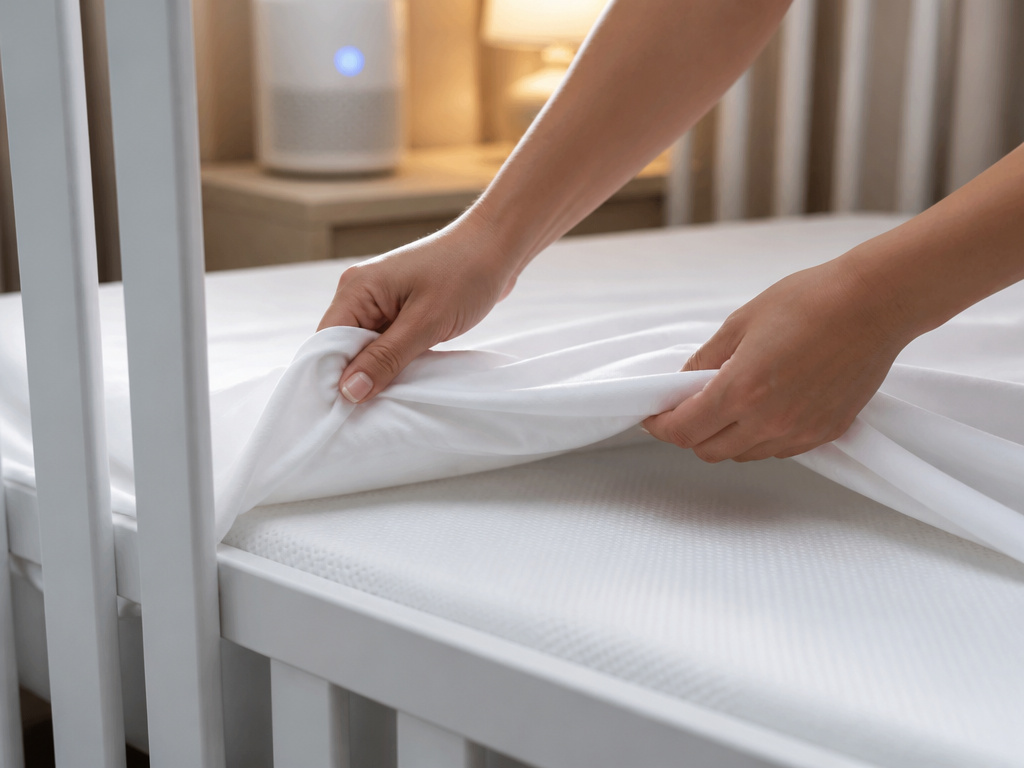
Once the acute cough passes, a supportive sleep space can help prevent future nights from being so easily disrupted. Think about air quality and allergen reduction.
Keep the bedroom cool, around 68-70°F. Use a HEPA air purifier if allergies or dust are a concern, it removes the microscopic irritants that can inflame airways. Wash all bedding sets for toddlers weekly in hot water to kill dust mites. Choose a comfortable toddler mattress with a waterproof, allergen-barrier protector.
For a toddler who finds deep pressure calming, a properly sized weighted blanket might be an option after age two, but always consult your pediatrician first. The goal is a predictable, clean, and cozy cave that promotes uninterrupted sleep, making the occasional cough a minor bump, not a roadblock.
Frequently Asked Questions
Can I give my 2-year-old Vicks or menthol rub?
No. The American Academy of Pediatrics advises against using mentholated rubs on children under two. The strong camphor or menthol can cause skin irritation, and if ingested, can be toxic. For a safe alternative, use a humidifier for congestion.
How much honey can I give my toddler for a cough?
For children over one year, the researched dose is 1/2 teaspoon before bedtime. You can give it straight off a spoon or mix it into a small amount of warm water or decaffeinated tea. Do not exceed this dose, and do not give honey multiple times throughout the day.
Why does my toddler’s cough get worse right after lying down?
This is almost always postnasal drip. When your toddler is upright during the day, mucus drains forward out of the nose or down the throat and is swallowed unconsciously. When they lie down, that drainage pools directly in the back of the throat, triggering the cough reflex. Elevation is the direct counter to this.
Is a cough suppressant ever okay for a toddler?
Over-the-counter cough suppressants like dextromethorphan are not recommended for children under four by most pediatricians and major health guidelines, including the CHEST cough guideline. The risks of side effects outweigh the minimal proven benefits. Focus on environmental soothers like humidity, hydration, and honey (if age-appropriate).
Should I wake my toddler to give them water or medicine for a cough?
No. Never wake a sleeping child. Sleep is more healing than any over-the-counter remedy. If they wake up coughing, offer a few sips of water or a safe soother then. But interrupting their sleep cycle to administer something will often make it harder for them, and you, to get back to sleep.
The Bottom Line
Your toolkit for a toddler’s nighttime cough contains pillows, water, and honey, not medicine. Elevate, humidify, and soothe. Remember the hard rules: honey is only after the first birthday, cough medicine is a hard no for young children, and a dirty humidifier defeats its purpose. Watch the cough’s character and your child’s energy. When in doubt, a call to your pediatrician is the smartest move. Your job isn’t to silence the cough but to make the night quiet enough for healing sleep to happen.
