
What is a Duvet Set | The 3-Piece Bedding Standard
This post contains affiliate links. As an Amazon Associate we earn from qualifying purchases.
A duvet set is a retail package defined by U.S. Customs as a duvet cover and two matching pillow shams. These three items are sold together to meet the specific need of dressing a bed, with the duvet cover considered the essential component. The cover protects a separate duvet insert and features internal corner ties to secure it.
That definition comes from official rulings, not marketing copy. It’s the same one customs inspectors use when a container of bedding lands at the port. For parents, that “set” designation means you’re buying a coordinated look and a functional unit designed to work together.
What follows: a breakdown of the official specs, the one feature that actually keeps the insert in place, and how to pick a set that lasts through countless washes and childhood years.
Key Takeaways
- A duvet set is legally defined as a duvet cover and two pillow shams sold together as a single retail unit.
- The duvet cover is the “essential character” of the set and is constructed with internal corner ties to anchor the insert.
- Duvet sets are distinct from comforter sets, which include a filled comforter, not an empty cover.
- For kids’ rooms, prioritize durable, machine-washable fabrics like cotton or cotton-blend percale or sateen weaves.
- The “burrito method” is the most reliable technique for inserting a duvet without frustration.
The Official Definition of a Duvet Set
According to U.S. Customs and Border Protection (CBP) rulings, goods qualify as a “set” under the Harmonized Tariff Schedule (HTSUS) when they consist of at least two different articles classifiable in different headings, are put up together to meet a particular need, and are packed for direct retail sale. For bedding, this applies to a duvet cover and two pillow shams.
This isn’t a loose industry term. It’s a tariff classification with specific material and construction requirements. Rulings detail everything from fabric composition—like a “Moonstone Duvet Cover Set” with a 69% polyester/31% cotton jacquard front and a 60% cotton/40% polyester back—to closure types, which can be a zipper or a button placket.
The duvet cover is always deemed the component that imparts the “essential character” of the set. This makes sense practically: the cover is the largest piece, does the primary job of protecting the insert, and dictates the room’s aesthetic. The two shams are complementary, finishing the layered look at the head of the bed.
Where this goes sideways: Assuming all “bedding sets” are the same. A comforter set includes a pre-filled comforter, sheets, and shams. A duvet set is specifically the empty shell and its two matching pillow covers. Buying the wrong type leaves you without the necessary insert or with redundant, filled bedding.
What’s Included in a Standard Duvet Set?
A standard set contains three pieces. Every extra item turns it into a different bundle.
| Component | Primary Function | Typical Sizes (U.S.) | Key Feature for Kids |
|---|---|---|---|
| Duvet Cover | Protective shell for a duvet insert | Twin (68″ x 86″), Full/Queen (88″ x 88″), King (104″ x 88″) | Internal corner ties to prevent bunching |
| Standard Pillow Sham (x2) | Decorative cover for standard sleeping pillows | 20″ x 26″ (Twin/Full), 20″ x 30″ (Queen/King) | Envelope or zipper closure for easy washing |
The pillow shams are for standard bed pillows, not the smaller decorative “Euro shams” sometimes sold separately. The set is designed to work with the pillows your child already sleeps on, dressing them up to match the cover.
The one feature that matters most is the corner ties. These are small fabric loops sewn into the inner corners of the duvet cover. You use them to tie the corners of your duvet insert securely in place. Without them, the insert slides and bunches into a lumpy mess within a night or two. It’s the difference between a made bed and a daily wrestling match.
When you’re evaluating kids bedding, check for those ties. If a set doesn’t have them, it’s a decorative cover, not a functional one. For the youngest kids, also look for a full-length zipper closure instead of buttons. It’s faster for changes and eliminates a potential choking hazard for toddlers.
Duvet Set vs. Comforter Set: The Core Difference
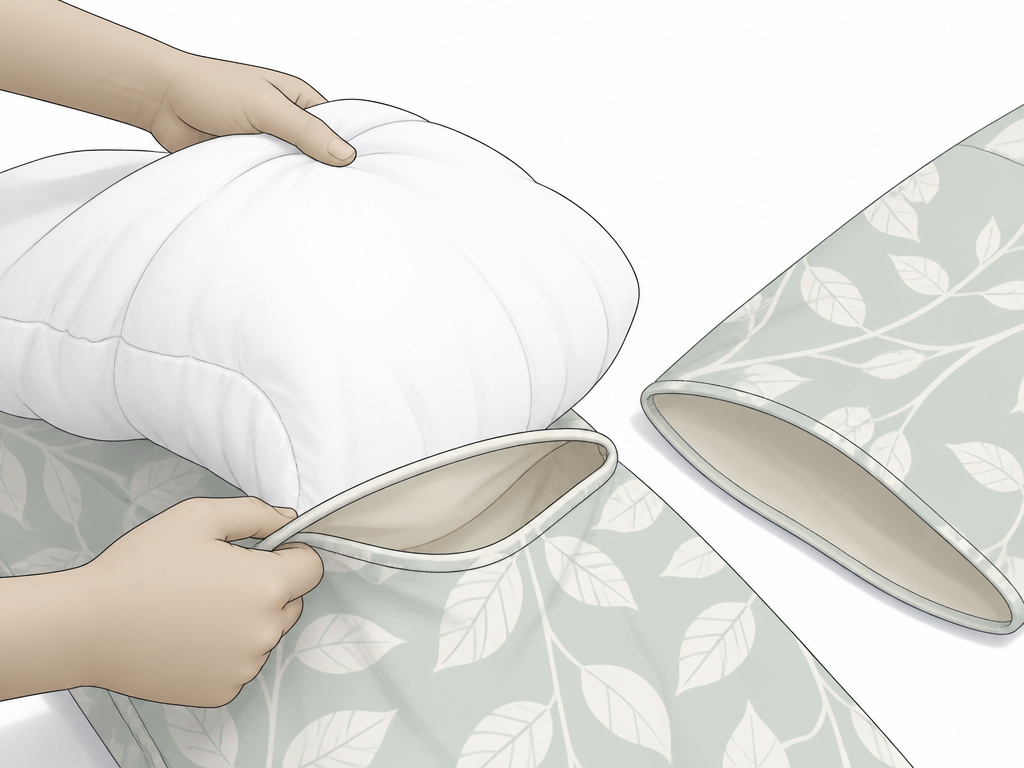
This is the most common point of confusion. The difference isn’t minor—it changes everything you need to buy.
A duvet set is a shell. You must purchase a separate duvet insert (a plain, fluffy blanket) to go inside it. Think of it like a pillowcase for a large blanket. The system is modular: you can wash the cover weekly while the insert stays clean, and you can swap covers seasonally.
A comforter set is an all-in-one. The comforter is already filled and quilted, ready to use straight out of the bag. Sets often include matching pillow shams and sometimes fitted sheets. It’s a simpler, complete solution, but the entire comforter must be washed as a bulky unit.
Which one wins for a child’s room? For everyday ease and allergy management, the duvet system is superior. Kids are messy. Being able to strip off a soiled cover and wash it separately from the heavy insert is a practical lifesaver. It also lets you own a lighter toddler blanket insert for summer and a warmer one for winter, using the same set of cute covers.
For a nursery where aesthetics are tightly controlled and changes are less frequent, a cozy comforter set can work. But for a toddler bed or big-kid room, the flexibility of a duvet set is hard to beat. Start with a good insert and then you can rotate children’s duvet covers for holidays or as their tastes change.
How to Choose a Duvet Set for Your Child’s Room
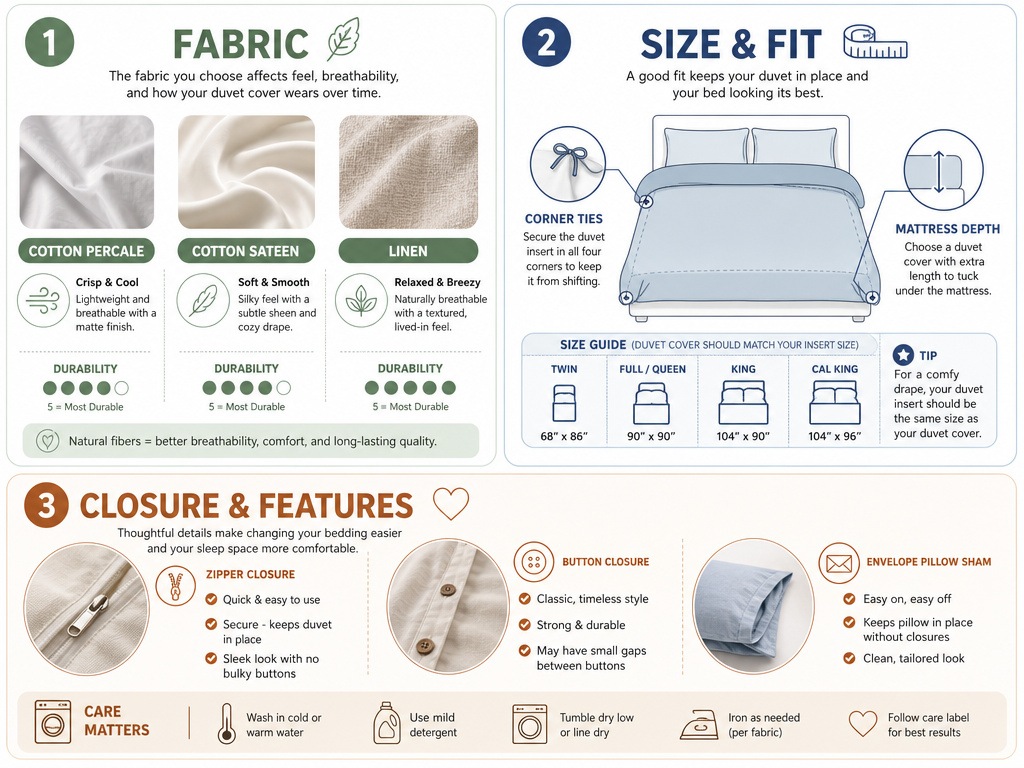
You need more than a cute pattern. The fabric, closure, and size determine whether the set will survive years of use.
-
Pick the Fabric for Durability & Feel. Skip cheap, non-breathable polyesters.
- Cotton Percale: A crisp, matte weave that gets softer with every wash. It’s breathable, durable, and ideal for kids who sleep warm.
- Cotton Sateen: A smoother, slightly lustrous weave that feels silky. It’s warmer than percale and wonderfully soft for cozy sleepers.
- Linen or Linen-Blend: Incredibly breathable and gets beautifully soft over time. It has a relaxed, rumpled look and is a premium, long-lasting choice. A high thread count (300-400 for percale, 400-600 for sateen) indicates tighter weave and better durability, not just marketing fluff.
-
Match the Size to the Bed and Insert. This is not a place to guess.
- The duvet cover should be the same nominal size as your duvet insert (Twin, Full/Queen, King).
- For a fuller look, some prefer an insert one size larger than the cover. This can work but makes tying the corners more difficult.
- Pro Tip: Measure your mattress depth. If you have a thick mattress or a mattress topper, a “standard” drop might not cover the sides. Look for covers with a deeper drop.
-
Verify the Practical Features. Open the product images and zoom in.
- Closure: A full-length zipper is fastest and safest for little ones. Button closures are classic but slower.
- Corner Ties: Must be present. Four are standard, eight (also tying the middle of each side) is luxury.
- Pillow Sham Closure: An envelope closure is simple and secure. A hidden zipper is also excellent.
Easy to miss: The fabric’s “finish.” A “knife edge” finish is a clean, flat seam. A “piped” or “corded” edge adds decorative detail but can feel scratchy against sensitive skin. For kids, the simpler, flatter seam is often the better choice.
Your goal is a set that withstands weekly washes at high temperatures. A well-made cotton set will outlast multiple themed room redecorations. Pair it with soft, secure crib sheets for a baby or a weighted blanket for kids for an older child needing sensory comfort.
How to Use a Duvet Set (The No-Struggle Method)
The dreaded task of inserting a duvet has a simple fix. Forget the shake-and-stuff method.
The Burrito Method:
- Turn your duvet cover inside out. Lay it flat on the bed, with the opening at the foot of the bed.
- Lay your duvet insert flat on top of the cover, aligning all corners.
- This is the critical step: Starting at the head of the bed, tightly roll both the duvet insert and the cover together toward the foot, like a giant burrito.
- Once fully rolled, reach into the open end of the duvet cover (the “burrito” ends) and grab the innermost corner of the duvet insert. Pull it back through the roll, turning the cover right-side-out over the insert.
- Unroll the rest of the burrito. The duvet will be perfectly encased. Stand at the foot of the bed, grab the two corners, and give it a firm shake to settle.
- Tie the duvet insert’s corner loops to the cover’s internal ties.
This method contains the chaos and uses physics to your advantage. It works for king-sized duvets in a child’s room or a twin in a dorm. Once the ties are secured, the insert will stay put through a night of active sleep. For the pillow shams, simply insert the sleeping pillows and fold the front flap neatly over.
TL;DR: Roll, don’t stuff. Tie, don’t hope.
Frequently Asked Questions
What is the difference between a duvet set and a bedding set?
Duvet set is a specific type of bedding set containing only a duvet cover and two pillow shams. A “bedding set” or “comforter set” is a broader term that often includes a filled comforter, fitted and flat sheets, and pillowcases. Always check the item list.
Can I buy a duvet cover by itself?
Absolutely. Many retailers sell duvet covers individually. This is perfect if you already have shams you love or if you’re using decorative pillows instead. The official “set” definition is for retail packaging, not a purchase requirement.
How many pillow shams come in a duvet set?
Two. This is the standard across the industry and is reflected in the customs rulings. The shams are designed to cover the two standard sleeping pillows on the bed. If you want additional decorative pillows, like a swaddle blanket used as a lumbar pillow or Euro shams, you buy those separately.
What size duvet set do I need for a twin bed?
You need a Twin-size duvet set. The cover will be approximately 68 inches wide by 86 inches long, and it will come with two standard pillow shams that fit a twin-size bed pillow (typically 20″ x 26″). Ensure your duvet insert is also Twin size.
Are duvet sets safe for babies?
The duvet cover itself is safe, but the duvet insert is not recommended for infants under 12 months due to suffocation risk. For a nursery, use the cover with a safe, firm sleep sack or a wearable blanket instead of a loose insert. You can always add a safe blanket for newborns or infant blankets for supervised snuggle time.
The Bottom Line
A duvet set is a three-piece workhorse: a protective cover and two shams. Its value is in the system—easy washing, seasonal swaps, and a neat, tied-down bed. For a child’s room, this practicality beats a one-piece comforter every time.
Look for durable cotton, confirm the corner ties exist, and master the burrito roll. That combination gives you a bed that looks pulled-together and can actually handle the reality of childhood. It’s a small piece of household logic that pays off every morning when the bed is made and every laundry day when only the cover goes in the wash.
