
What Is a Duvet Insert | The Bedding Core for Easy Care
This post contains affiliate links. As an Amazon Associate we earn from qualifying purchases.
A duvet insert is the soft, filled inner blanket designed to slip inside a separate, removable duvet cover. It’s the functional core of a two-piece bedding system, where the insert provides warmth and the cover provides protection and style. This setup lets you wash the cover weekly while the insert stays clean for months, and it allows for easy room refreshes by swapping covers.
That two-inch rule changes everything. Manufacturers recommend sizing up a duvet cover by no more than two inches on each side relative to the insert. Go beyond that, and the extra fabric creates a pocket where the fill drifts toward the foot of the bed every night. The corner ties you often ignore are the only thing stopping that migration.
What follows: a clear breakdown of how a duvet insert works, why it beats a comforter for families, the exact steps to put one in a cover without a wrestling match, and how to choose the right fill and fabric for a child’s room that’s both cozy and practical.
Key Takeaways
- A duvet insert is not a comforter. It’s a plain, filled inner layer meant to live inside a removable duvet cover, creating a modular, easy-to-clean system.
- The cover should be no more than two inches larger than the insert on each side. A larger gap causes the insert to slide and bunch inside the cover overnight.
- Always use the interior corner ties if your cover has them. Tying the insert’s loops to the cover’s loops is the single most effective way to prevent fill shift.
- Wash the duvet cover every one to two weeks. The insert itself, protected by the cover, can often go several months or even years between cleanings.
- For kids’ bedding, prioritize a machine-washable down-alternative or polyester insert and a durable, breathable cover fabric like cotton percale or linen.
Duvet Insert vs. Comforter: The Core Difference
This is the line that most bedding guides blur. A comforter is a single, finished product. The decorative fabric and the warm fill are permanently stitched together. You buy it, you put it on the bed, you wash the whole bulky thing when it’s dirty.
A duvet insert has a different job. It’s only one half of a system.
A duvet insert is the pillow, and the duvet cover is the pillowcase. The insert is typically plain white, features corner loops for tying, and exists solely to be covered.
The insert provides the insulation. The separate duvet cover provides the style, the softness against skin, and the protective barrier. This separation is the entire point. It turns bedding from a static piece of decor into a functional, adaptable tool.
Why does this matter for a child’s room? The math is simple. Kids are messy. Spills, accidents, and general life happen. Washing a lightweight duvet cover is a weekly laundry load. Washing a thick, filled comforter is a monthly ordeal that often requires a commercial-sized machine and risks damaging the fill. The duvet system localizes the mess to the easily cleaned part.
The Two-Piece System Explained
Look at the business end of a duvet insert. You’ll see four small fabric loops, one in each corner. Those aren’t decorative. They’re anchor points.
The corresponding duvet cover has its own set of loops or ties sewn into its interior corners. When you connect them, you physically lash the insert to the cover. This stops the fill from sliding down toward the foot of the bed, a phenomenon parents know all too well.
The cover’s fabric is what your child actually feels. This is where you invest in comfort and breathability. A crisp cotton percale cover feels cool and is durable through countless washes. A linen cover is supremely breathable and gets softer over time. The insert underneath can be a basic, affordable synthetic, but the cover’s hand-feel dictates the bed’s comfort level.
This modularity is the designer’s secret for a reason. When your child decides dinosaurs are out and spaceships are in, you swap the cover, not the entire bedding set. It’s a cost-effective way to refresh a room’s look without storing a giant comforter. For more durable and playful options, explore our selection of the best children’s duvet covers.
How a Duvet Insert Works (The Why Layer)
The fill inside the insert, whether down, down-alternative, or polyester, needs to stay evenly distributed. If it clumps in one corner, you get cold spots.
The stitching pattern on the insert is the first defense against this. Baffle-box construction sews three-dimensional fabric walls between the top and bottom layers, creating pockets that let the fill loft fully and resist shifting. Sewn-through construction stitches the layers together flat, creating thinner channels that can sometimes lead to cold spots at the seams. For a kid’s room, baffle-box is worth looking for; it maintains warmth more consistently as the insert moves.
The second defense is the size match. That two-inch maximum oversize rule exists because of physics. A cover that’s too large doesn’t hug the insert. It hangs off it, creating a fabric hammock. As your child moves, the heavier insert slides through that loose space, ending up in a heap by morning. The corner ties help, but they’re fighting against a design flaw if the sizing is off.
| System Component | Its Primary Job | What Happens If It’s Wrong |
|---|---|---|
| Duvet Insert | Provide insulation & warmth | Fill clumps; cold spots form; loses loft over time if improperly dried. |
| Duvet Cover | Provide style, feel, & protection | Too large = insert slides; poor fabric = feels scratchy or overheats. |
| Corner Ties/Loops | Anchor insert to cover | Untied = insert migrates to foot of bed nightly, requiring daily shaking-out. |
| Cover Fabric | Direct skin contact & durability | Non-breathable fabric traps heat; low thread count wears thin quickly. |
The insert’s warmth level, often called a “tog” rating, is about fill power and density. A higher GSM (grams per square meter) weight, like 450+, indicates a plumper, warmer insert. Match this to your climate and your child’s sleep habits, some kids are hot sleepers, some are always cold.
How to Put a Duvet Insert Into a Cover (Without the Fight)
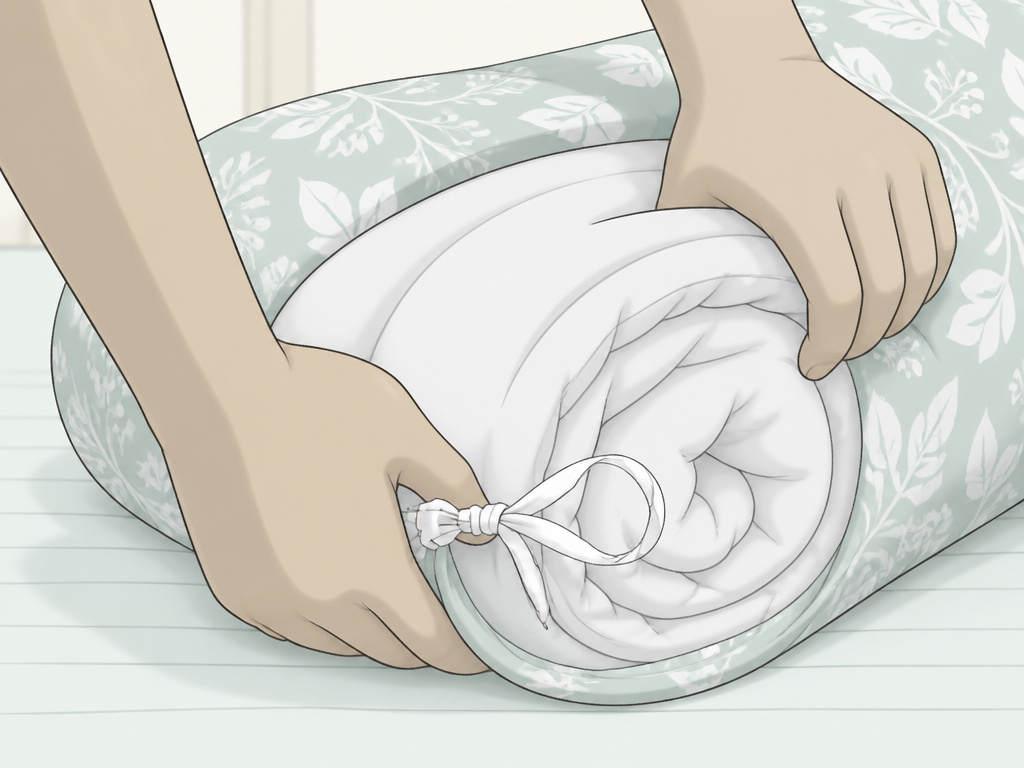 The classic mistake is trying to stuff the insert into the cover like a pillow into a pillowcase. The fabric binds, the corners get lost, and you end up sweating.
The burrito roll method works because it uses the cover’s own structure to pull the insert into place. Here is the sequence, with what breaks if you skip a step.
- Turn the duvet cover inside out and lay it flat on the bed, opening at the foot. If you lay it right-side out, you’ll be fighting to find the corners inside a dark fabric tube.
- Lay the duvet insert perfectly on top, aligning all four corners. Precision here saves minutes later. A misaligned corner will stay folded inside the roll.
- Tie the insert’s corner loops to the cover’s interior ties. This is the step everyone wants to skip. If you skip it, the insert will detach from the cover the first time you shake it out, negating the entire point of the system.
- Starting at the head of the bed, tightly roll both layers together toward the foot. Roll it like a sleeping bag. The tighter the roll, the easier the next step.
- Reach into the open end of the cover, grab the rolled bundle, and pull the cover right-side out over it. Unroll the bundle and give the whole duvet a firm shake. The insert will snap into place inside the fully inverted cover.
Where this goes sideways: Skipping the corner ties on a king-size insert. The weight of the fill will drag one side of the insert down into the cover as you try to invert it, leaving you with a lopsided, bunched mess that requires starting over.
If your insert comes out clumpy after washing, it went into the cover damp. Down and down-alternative fills must be bone dry. Run it through an extra dryer cycle with three clean tennis balls to break up the clumps before reassembly.
Choosing a Duvet Insert for a Child’s Room
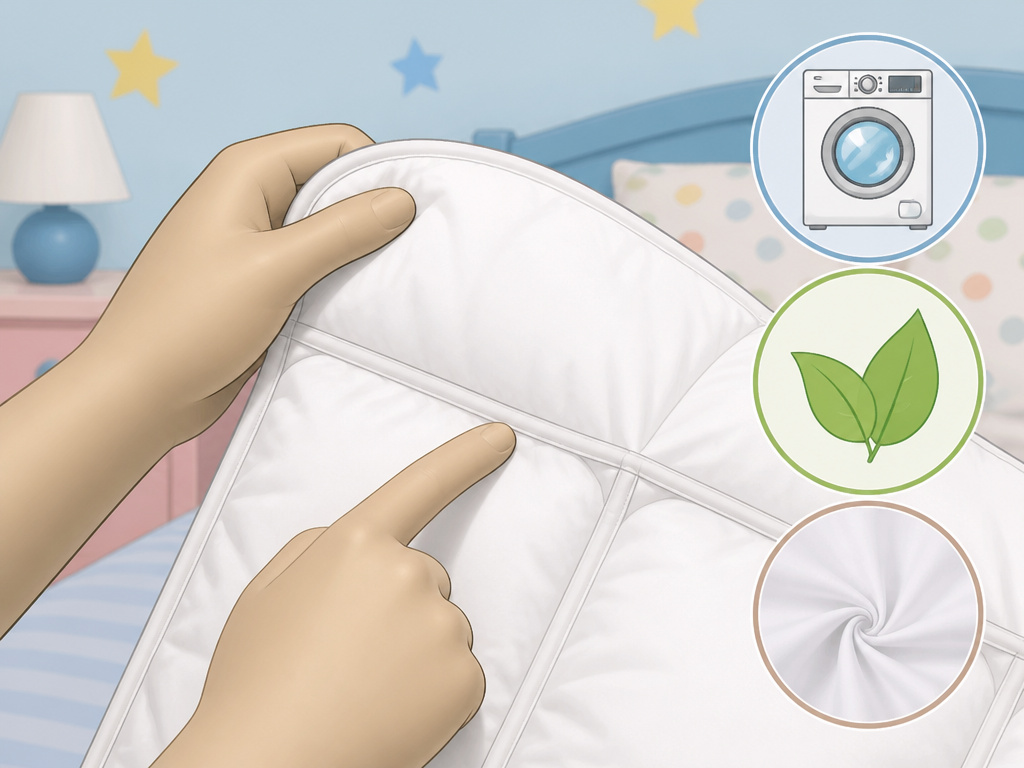 The priorities shift when the user is a child. You’re looking for durability, easy care, and safety over decades-long heirloom quality.
Fill Type: Down-Alternative or Polyester.
- Down-Alternative: Hypoallergenic, machine-washable, and provides a cloud-like loft similar to down. It’s the best all-around choice for most families.
- Polyester: The most affordable and durable option. It washes easily and dries quickly, though it may not breathe as well as other fills.
Avoid real down inserts for young children. They require meticulous drying (often needing multiple dryer cycles) and are difficult to wash at home. They’re an investment for a master bedroom, not a practical choice for a kid’s bed.
Construction: Baffle-Box over Sewn-Through.
As mentioned, baffle-box construction keeps the fill from shifting to the edges. For an active sleeper who kicks and turns, this means consistent warmth all night. Look for this term on the product description or tag.
Cover Fabric: Natural Fibers.
Pair your insert with a cover made from cotton percale or linen. These natural fibers are breathable, reducing the risk of overheating, a common cause of night wakings. They also stand up to frequent washing without pilling or fading as quickly as cheap microfiber. The right bedding is part of a complete sleep environment, which starts with the right foundation. Pair your duvet with a supportive kids mattress for the best rest.
Duvet Insert Care & Washing Schedules
The two-piece system’s main advantage is the staggered cleaning schedule. You’re not washing the bulk of the bedding every time.
| Item | Washing Frequency | Key Care Instruction | Consequence of Neglect |
|---|---|---|---|
| Duvet Cover | Every 1–2 weeks | Wash on warm, tumble dry low. | Body oils and sweat transfer to the insert, requiring its premature washing. |
| Duvet Insert | Every 6 months – 2 years | Check care label. Most synthetics: warm wash, extra rinse, low dry with tennis balls. | Fill compacts permanently, losing loft and warmth. Odors set in. |
| Corner Ties/Loops | Inspect while washing cover | Ensure stitches are secure before tying. | A broken tie allows that corner of the insert to drift, creating a cold spot. |
Common mistake: Washing the insert on a heavy-duty cycle with regular detergent. Use a mild detergent and an extra rinse cycle to ensure all soap is flushed out. Soap residue traps moisture and leads to mildew smells inside the fill.
For the insert, drying is more critical than washing. Even if it feels dry, run it for an extra 20-minute air-fluff cycle with dryer balls. Any residual dampness at the core will clump the fill and can foster mildew. A fully dry insert restored to its full loft will last for years.
Frequently Asked Questions
What’s the difference between a duvet and a comforter?
Duvet is a two-piece system: a plain insert plus a removable cover. A comforter is a single, all-in-one blanket. You wash a duvet cover weekly; you wash the entire comforter maybe once a season. The duvet is modular and easier to maintain.
Can you use a duvet insert by itself?
Technically, yes, but you shouldn’t. The insert’s fabric is not designed for direct contact, it’s often a simple, non-brethable casing that feels rough and stains easily. It also lacks the decorative finish of a comforter. Its entire design presupposes a cover.
How do I stop my duvet insert from sliding inside the cover?
First, use the interior corner ties. Second, ensure the duvet cover is no more than two inches larger than the insert on each side. If it’s still sliding, you can add extra snap buttons or safety pins along the side seams of both the insert and cover for a more secure hold.
Are duvet inserts good for kids?
They are excellent for kids. The ability to wash the cover frequently without tackling a massive comforter is a huge practical win. Opt for a hypoallergenic, machine-washable down-alternative insert and a durable cotton cover for the best combination of ease, comfort, and cleanliness. This pairs well with other smart kids’ furniture choices, like space-saving loft beds or sturdy bunk beds for children.
What size duvet insert do I need for a twin bed?
Get a twin-size duvet insert. The goal is for it to fit the mattress width closely. Then, choose a twin-size duvet cover. Do not put a twin insert into a full/queen cover expecting it to work, the excessive fabric will cause nothing but sliding and bunching.
How do I fluff a flat duvet insert?
Tumble dry it on low heat with three clean tennis balls or specialty dryer balls. The bouncing action breaks up clumped fill and restores loft. For down inserts, ensure they are completely dry; even slight dampness prevents proper re-lofting.
The Bottom Line
A duvet insert isn’t just a fancy name for a comforter. It’s the functional core of a smarter bedding system. For a family, the logic is undeniable: easy weekly washes, simple style changes, and durable warmth that doesn’t require constant heavy lifting.
Choose a machine-washable down-alternative insert, pair it with a breathable cotton or linen cover that’s sized within two inches, and never, ever skip the corner ties. That combination turns morning bed-making from a frustrating reshuffling into a single shake. It creates a clean, adaptable sleep space that can grow with your child’s tastes and needs, fitting seamlessly into their room alongside their chosen bed frames for kids and complete bedding for kids sets.
