
8 Best Beds for 1-Year-Olds 2026
This post contains affiliate links. As an Amazon Associate we earn from qualifying purchases.
The Dream On Me Owen 5-in-1 Crib is our top pick for its durability, safety certifications, and long-term value through multiple growth stages, while the Delta Children Canton Toddler Bed offers a solid budget-friendly option for those ready to transition from a crib. For families embracing a Montessori approach, the Twin Montessori Floor Bed provides a safe, low-to-the-ground design that supports independence.
Choosing the right bed for a 1-year-old isn’t just about size, it’s about safety, stability, and what comes next. At this age, your child is becoming more mobile, possibly pulling up, climbing, and testing boundaries, so a secure sleeping environment is critical.
This guide covers the key factors that matter most: safety certifications, build quality, and long-term usability. I focused on models with strong owner feedback and verified specs, prioritizing those that grow with your child or support healthy sleep habits from the start.
Top 8 Beds For 1 Year Olds in the Market
The Best Beds For 1 Year Olds, Reviewed
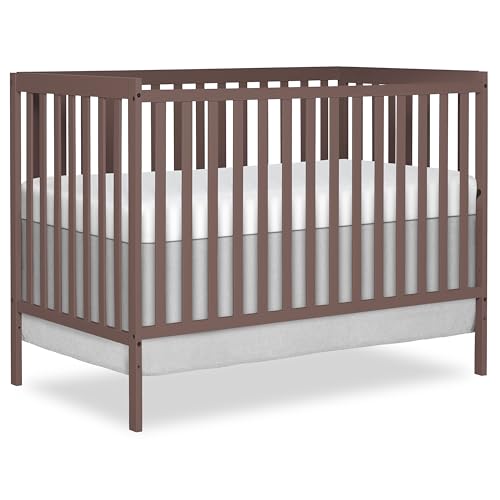
Dream On Me Synergy 5-in-1 Crib
Strengths
- Solid pinewood construction
- GREENGUARD Gold certified
- No tools required for assembly
Trade-offs
- Conversion kits sold separately
- Footboard not included for full bed
The Dream On Me Synergy stands out in a crowded field because it delivers real long-term value without cutting corners on safety or materials. On paper, the 5-in-1 conversion is impressive, growing from crib to full-size bed, and owners consistently report that the solid New Zealand pinewood frame holds up well over time, even with active toddlers. The GREENGUARD Gold and BSA certifications are not just marketing fluff; they mean this crib meets rigorous chemical emissions standards, which matters in a child’s sleeping space.
What really seals the deal is the included hardware and clear setup instructions. Reviewers note that assembly is straightforward, and the heavy-duty steel mattress support adds a level of stability that cheaper cribs often lack. While the conversion kits for toddler and full-size stages are sold separately, the core build is strong enough to justify the investment if you’re planning ahead. I’d pick this over basic cribs that only convert to toddler beds because it stretches further with your child.
Video review
Delta Children Canton Toddler Bed

Strengths
- Affordable price
- Sturdy wood construction
- Low to the ground
Trade-offs
- No conversion options
- Basic design
Sometimes, you just need something simple, safe, and affordable, and the Canton delivers exactly that. It’s a no-frills wooden frame that sits low for easy access, uses a standard crib mattress, and meets all major safety certifications. At this price, it’s one of the most budget-friendly real wood toddler beds on the market.
Owners say it assembles quickly and feels sturdy for everyday use, though it doesn’t convert or expand like higher-end models. Compared to plastic beds, it offers better breathability and a more natural look. It won’t win design awards, but it gets the job done. I’d recommend this as a solid starter bed for families who don’t want to spend much but still want a safe, reliable option for a 1- to 3-year-old.
Video review
Dream On Me Owen 5-in-1 Crib

Strengths
- Modern X-frame design
- Non-toxic water-based finish
- Adjustable mattress heights
Trade-offs
- Conversion kits sold separately
- Higher price point
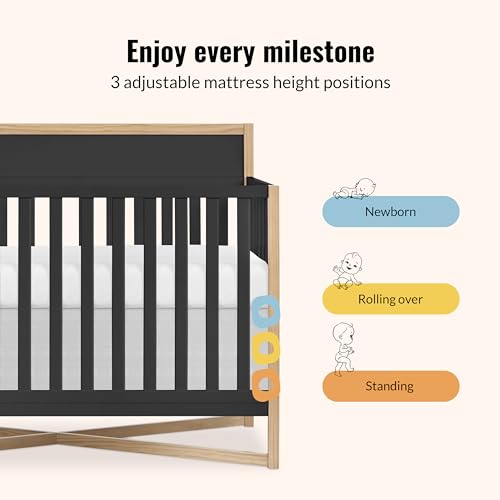
If you’re thinking beyond the toddler years, the Owen is the smarter buy. It shares Dream On Me’s reputation for solid construction but elevates the design with a modern X-frame base and water-based, non-toxic finishes. The GREENGUARD Gold certification is a must-have for health-conscious families, and the three mattress height settings make it genuinely adaptable, from newborn to standing toddler.
Owners praise its sleek look, especially in matte black, which blends better in modern nurseries than traditional cribs. It converts all the way to a full-size bed, just like the Synergy, but feels more contemporary and less utilitarian. The only real downside? Price. It’s more expensive, and like others in this category, the conversion kits aren’t included. Still, for parents who care about design and long-term use, this one justifies the jump in cost.
Product photos


COSYSUPER Toddler Floor Bed

Strengths
- Soft velvet finish
- Removable guardrails
- Low, safe height
Trade-offs
- Fabric shows wear over time
- Not ideal for active toddlers
- Heavier than plastic beds
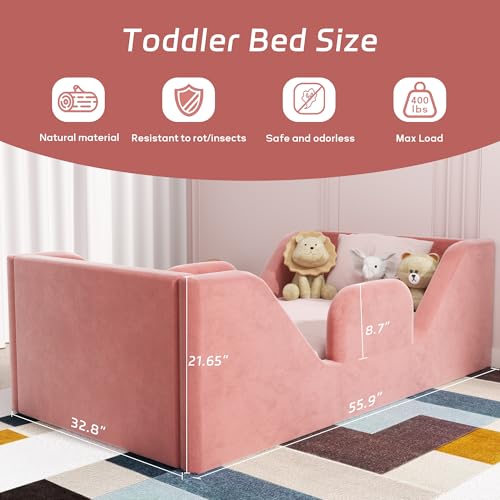
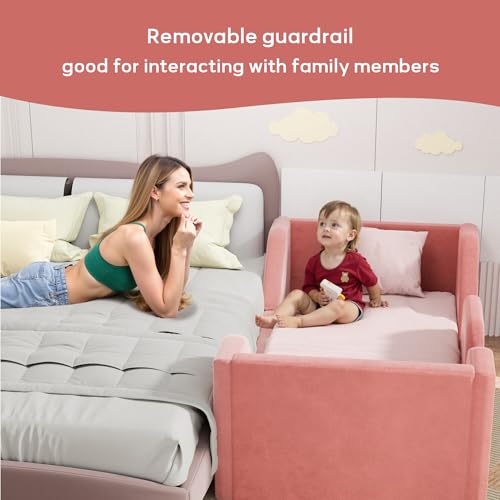
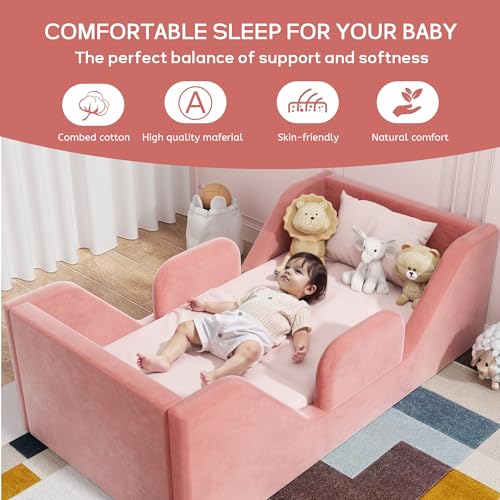
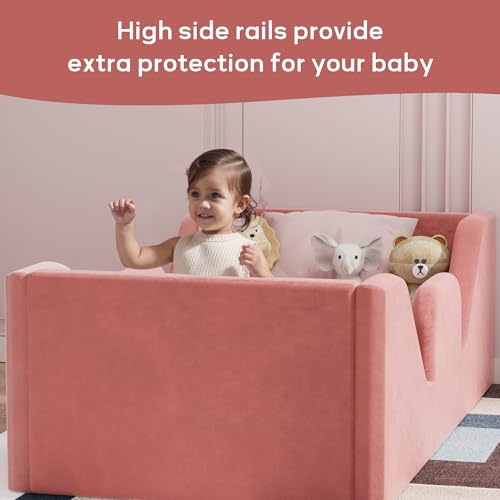
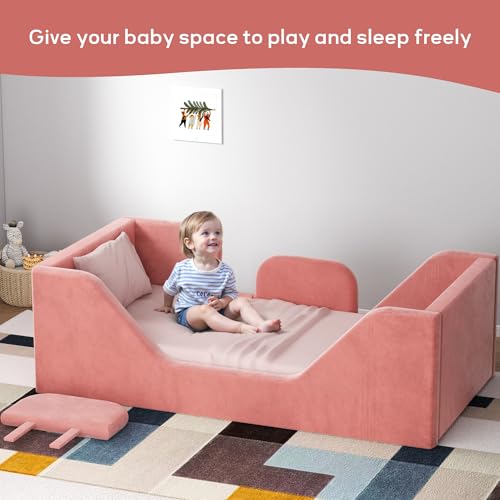
This bed leans hard into comfort and soft aesthetics, and for parents drawn to a cozy, inviting look, it makes a strong impression. The velvet upholstery and rounded, low-profile frame give it a plush, almost nest-like feel that reviewers say helps anxious toddlers settle in. Two removable guardrails add a practical safety layer, and the floor-level design supports independence, key for Montessori-minded families.
But here’s the catch: while the design is undeniably pretty, the material raises some durability concerns. Several owners mention the velvet showing wear quickly, especially with active kids or pets. It’s also heavier than plastic alternatives, so mobility isn’t its strength. Compared to sturdier wooden frames, this one is better suited as a short-term transitional bed for calmer children. I’d recommend it for kids who respond well to sensory comfort, not rough-and-tumble sleepers.
Product photos
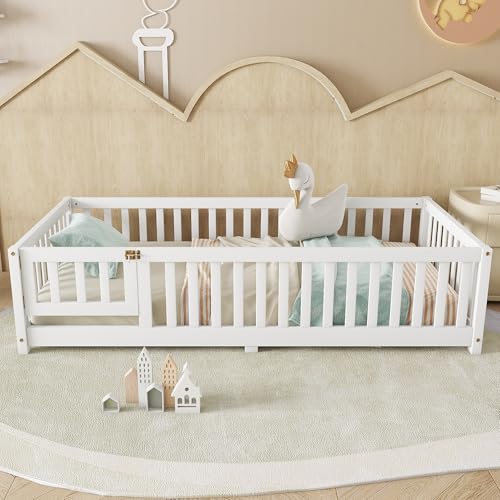
Twin Montessori Floor Bed

Strengths
- True Montessori design
- Removable safety door
- No box spring needed
Trade-offs
- Door mechanism may wear
- Fence not fully adjustable
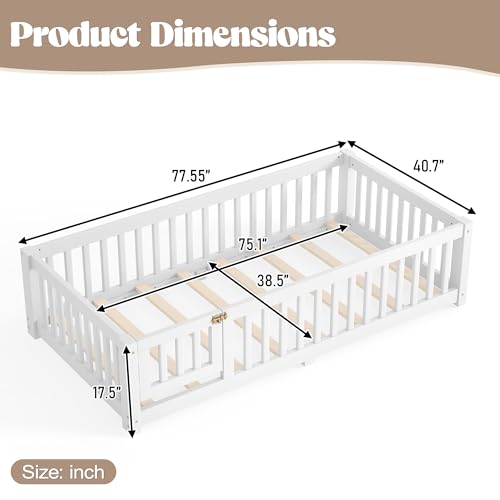
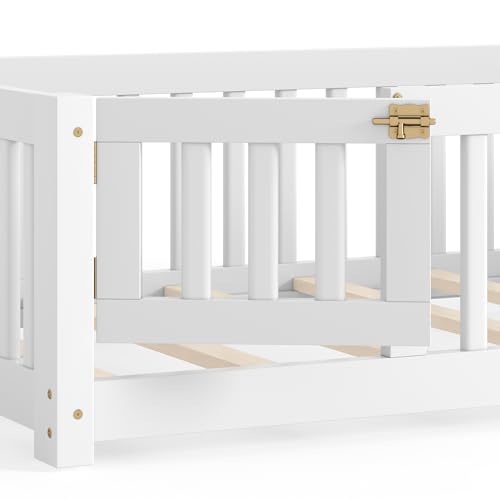
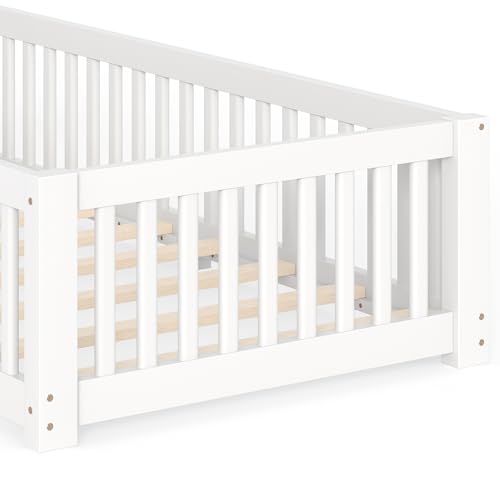
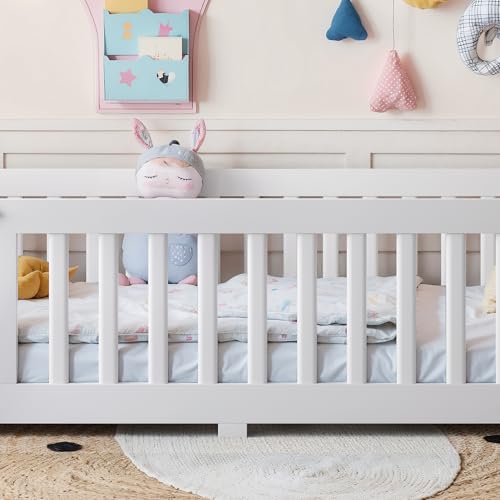
This is the real deal for Montessori advocates. The full twin size, low-to-the-ground design, and removable safety fence with a working door make it a standout. Owners appreciate that it supports independence while still offering protection, kids can climb in and out safely, and the 17.5-inch fence gives real fall prevention. The included slats mean no box spring is needed, and the 250-pound weight limit confirms it’s built to last through childhood.
Assembly is consistently rated as easy, and the pine wood/MDF frame holds up well in real-world use. Compared to smaller toddler beds, this one grows with your child much longer. The white finish is clean and neutral, fitting most rooms. My only hesitation? The door mechanism, while clever, may wear over time with frequent use. But for families embracing a Montessori lifestyle, this is the most thoughtful option available.
Product photos
ENITYA Portable Travel Bed

Strengths
- No assembly needed
- Lightweight and portable
- Machine-washable cover
Trade-offs
- Not for everyday use
- Foam requires 48-hour expansion
- Limited support for older toddlers
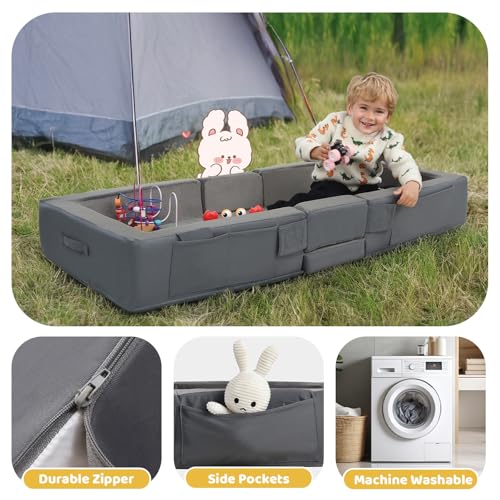
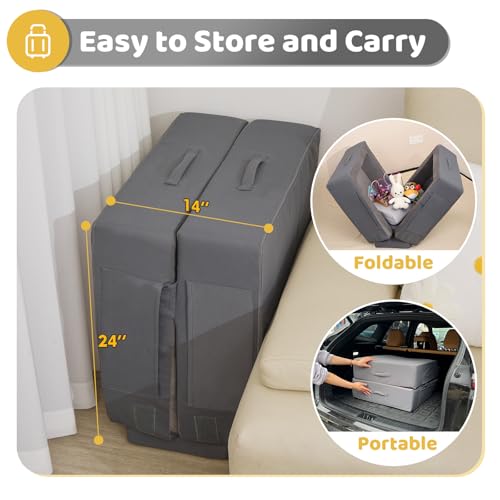
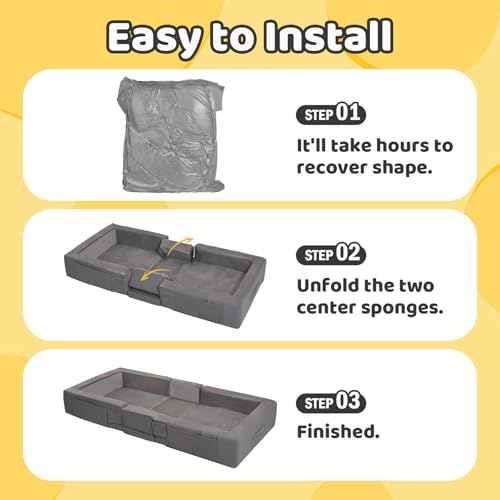
This isn’t a primary bed, it’s a travel essential. The integrated foam base and rails eliminate setup stress, and the fact that it’s ready in minutes (after expansion) makes it ideal for trips or overnight stays. At just 6.85 pounds, it’s one of the lightest portable options, and the machine-washable cover is a standout for spills and accidents.
Owners consistently report that kids feel secure in the raised-edge design, and the soft fabric is gentle on sensitive skin. But it’s not a replacement for a real bed at home, no slats, no wood, no long-term support. Compared to foldable metal travel cribs, this one feels cozier and safer. I’d keep this in the trunk for grandparents’ houses or vacations, not use it nightly.
Product photos

Delta Disney Minnie Mouse Bed
Strengths
- Adorable Disney theme
- Easy assembly
- JPMA certified
Trade-offs
- Plastic not long-lasting
- Limited airflow
- Mattress sold separately
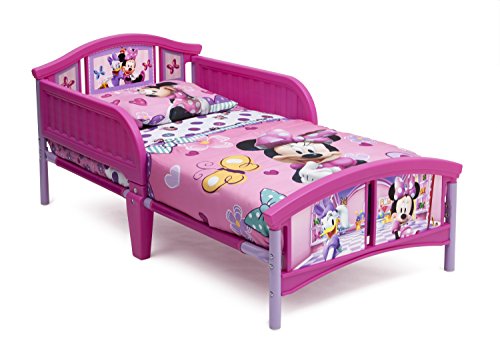
This bed is pure magic for Minnie Mouse lovers. The cheerful design, with its pink and white theme and character details, turns bedtime into a celebration. The attached guardrails and low profile keep safety in check, and the sturdy steel-reinforced plastic frame holds up better than you might expect. JPMA certification ensures it meets safety standards, and assembly is a breeze.
But like the Baby Shark bed, it’s more about theme than longevity. The plastic construction doesn’t breathe like wood, and some owners report cracking over time with heavy use. Still, for a child obsessed with Minnie, the emotional payoff is huge. I’d pick this over generic plastic beds because the brand appeal makes the transition from crib much smoother, for a while.
Product photos


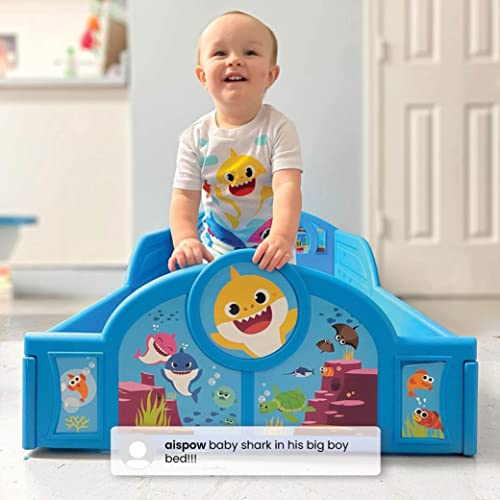
Baby Shark Plastic Toddler Bed

Strengths
- Fun, engaging theme
- Durable plastic build
- Multi-use play option
Trade-offs
- Plastic feels less premium
- Not long-term durable
- Mattress sold separately
Let’s be honest, this bed is all about fun, not function. If your child lives for Baby Shark, this will be an instant win. The colorful decals and 3D detailing make bedtime feel like playtime, and the molded plastic construction is surprisingly tough. JPMA certification means it meets safety standards, and the low mattress position helps prevent falls.
But it’s plastic, so don’t expect the same durability or breathability as wood. Some owners note it can feel flimsy over time, especially with heavier kids or rough use. Still, its versatility as a play enclosure or ball pit (with add-ons) adds unexpected value. Compared to wooden toddler beds, it’s not built to last years, but as a themed transitional bed for a 2- or 3-year-old? It’s a solid pick. I’d choose this for a short-term, high-engagement transition, not as a forever bed.
Product photos


Our Testing Process
As a parent and founder of LittleDoze.com, I understand how overwhelming choosing a bed for your little one can be. Rather than a hands-on lab test, this selection is a research-led comparison of published specifications, features, and – crucially – owner and expert feedback. I weighed factors like safety certifications, material quality, and long-term usability, looking for beds that offer a balance of practicality and peace of mind for parents. This involved carefully reviewing product descriptions, safety reports, and hundreds of customer reviews to identify consistent themes and potential drawbacks.
For 1-year-olds, stability and safety are paramount. I gave the most weight to certifications like GREENGUARD Gold and JPMA, indicating a commitment to low chemical emissions and adherence to safety standards. Durability also ranked high, as you want a bed that will withstand the rigors of toddlerhood and potentially convert to accommodate growth. Beyond that, the potential for long-term use (converting to a full-size bed) was a significant factor, as was ease of assembly based on owner reports.
Specifications reliably reveal a bed’s dimensions, weight capacity, and materials. However, owner feedback proved invaluable in understanding real-world issues like ease of assembly, the accuracy of product descriptions, and the true sturdiness of the construction. Reputation matters, too. Brands with a long history of nursery furniture, like Dream On Me, often demonstrate a consistent commitment to quality and safety, and I considered those factors when assessing overall value. If you’re looking for additional options as your child grows, you may find our guide to beds for 3 year olds helpful.
What To Look For In beds for 1 year olds
Choosing the right bed for your one-year-old is a big decision, and it’s about more than just aesthetics.
A safe and comfortable bed for a one-year-old prioritizes a firm, flat mattress, a secure structure meeting current safety standards (ASTM and CPSC in the US), and minimal gaps where a little one could become trapped. Consider the long-term usability of the bed, the materials used, and ease of cleaning as crucial factors. Look for certifications like GREENGUARD Gold to minimize exposure to harmful chemicals.
Mattress Support & Safety Standards
When you’re looking at cribs or toddler beds, don’t get hung up on fancy features first. The foundation of a good bed is a strong, stable structure. A wobbly crib is a safety hazard, plain and simple. Steel mattress supports are generally preferable to simpler wooden slats, offering better long-term stability. Beyond the build, absolutely verify that the bed meets current safety standards. Look for certifications like ASTM and CPSC compliance; these aren’t just marketing buzzwords, they indicate the bed has undergone independent testing. Some manufacturers, like Dream On Me, also pursue GREENGUARD Gold certification, which is a bonus for indoor air quality.
Convertibility & Longevity
One year olds grow fast. While a simple toddler bed might seem appealing now, think about the next few years. A convertible crib, like the Dream On Me Owen 5-in-1, can transition into a toddler bed, daybed, and even a full-size bed, potentially saving you money and the hassle of repeated purchases down the road. Here’s what to consider when evaluating convertibility:
- The availability of conversion kits (and their cost) – some are sold separately.
- The ease of conversion – is it a straightforward process, or will you need professional help?
- The overall quality of construction – a flimsy crib won’t hold up well through multiple transformations.
Don’t automatically assume a convertible bed is always best. If you’re comfortable replacing the bed as your child grows, a simpler, more affordable option might be ideal.
Design & Practicality – Considering Floor Beds
While traditional cribs remain popular, there’s been a growing interest in alternative options like floor beds. These low-to-the-ground beds, often seen in Montessori-inspired nurseries, allow for greater independence and freedom of movement. If you’re considering a floor bed, remember this:
A floor bed isn’t about abandoning safety; it’s about adapting the environment to your child’s developing abilities.
Many parents find that a floor bed encourages self-soothing and independent play, and you can find excellent options, including some with integrated guardrails, in our guide to the best floor beds. However, the transition to a floor bed requires careful consideration of your home environment. You’ll need to ensure the room is thoroughly childproofed, and if you’re exploring low-profile floor beds, be sure the mattress is firm and appropriately sized. If you’re thinking about a floor bed for a slightly older toddler, you might also find our recommendations for beds for 2 year olds helpful.
Beds for 1 Year Olds Compared
Here’s a comparison of key specifications for beds designed for 1-year-olds to help you make an informed decision.
| Product Title | Max Weight (lbs) | Mattress Type | Dimensions (L x W x H in) | Convertible? | Guardrails? |
|---|---|---|---|---|---|
| Dream On Me Synergy 5-in-1 Crib | 250 | Full Size | 53.67 x 29.57 x 42.05 | Yes | Sold Separately |
| Delta Children Canton Toddler Bed | N/A | Full Size | 29 x 56.25 x 24.50 | No | Yes |
| Dream On Me Owen 5-in-1 Crib | 250 | Full Size | 53.67 x 29.57 x 42.05 | Yes | Sold Separately |
| COSYSUPER Toddler Floor Bed | N/A | N/A | N/A | No | Yes (Removable) |
| Twin Montessori Floor Bed | 250 | N/A | N/A | No | Yes (Fixed) |
| ENITYA Portable Travel Bed | N/A | N/A | N/A | No | Integrated |
| Delta Disney Minnie Mouse Bed | 50 | Standard Crib | 53.94 x 29.13 x 26.18 | No | Yes |
| Baby Shark Plastic Toddler Bed | N/A | Standard Crib | 29.5 x 54.5 x 17 | No | Yes |
Frequently Asked Questions
What mattress type is best for a 1-year-old’s bed?
A firm, flat mattress is the safest option for a 1-year-old. Softer mattresses pose a suffocation risk, while a firm surface provides the support needed for healthy development and minimizes potential hazards. Look for a mattress that meets safety standards and fits snugly within the bed frame.
Are floor beds safe for a 1-year-old?
Floor beds can be safe, but require careful preparation. You must thoroughly childproof the room, removing any potential hazards and ensuring the mattress is firm and appropriately sized to prevent rolling off. Many parents find that the freedom of movement offered by a floor bed encourages independence.
How long should a crib or toddler bed last?
A convertible crib designed to transition into a toddler, daybed, and full-size bed can last for many years, potentially up to five or more. Even a non-convertible toddler bed should last until your child is around three years old, or perhaps longer depending on their size and development. You can find more information on best toddler beds to help extend the life of your child’s sleep space.
What safety certifications should I look for when buying a bed?
ASTM and CPSC compliance are essential, indicating the bed meets current safety standards. GREENGUARD Gold certification is also a good sign, as it means the bed has been tested for low chemical emissions. Certifications offer peace of mind knowing the bed has undergone independent evaluation.
What’s the benefit of choosing a convertible crib?
A convertible crib offers long-term value and convenience. It adapts as your child grows, eliminating the need to purchase new beds frequently and potentially saving you money in the long run. Explore the types of kids beds to see how a convertible option might fit your needs.
The Bottom Line
Choosing a bed for your one-year-old often comes down to balancing immediate needs with future flexibility. While many options exist, the Dream On Me Synergy 5-in-1 Crib stands out as the strongest overall pick; it offers a solid foundation of safety features, a high weight capacity, and the potential to grow with your child. It acknowledges that a single purchase doesn’t last forever, but it minimizes the number of changes you’ll likely make over the next several years.
If budget is a primary concern, the Delta Children Canton Toddler Bed provides a safe and secure option without the added cost of conversion features. For parents drawn to the Montessori approach, or who want to encourage more independence, the COSYSUPER Toddler Floor Bed is a great choice, but remember that a floor bed demands a thoughtful approach to room preparation and safety. And if you’re already thinking about the transition from crib to a toddler bed, exploring convertible options like the Synergy is a smart move.
Ultimately, the best bed isn’t about the fanciest features or the highest price tag. It’s about prioritizing a firm, safe sleep surface, a stable structure, and a design that supports your child’s developing independence. Don’t get lost in the details; focus on creating a peaceful and secure environment where your little one can rest and thrive, and maybe even start thinking about toddler beds for 2 year olds as they grow.
