
4 Best Fabrics for Crib Sheets (2026 Guide)
This post contains affiliate links. As an Amazon Associate we earn from qualifying purchases.
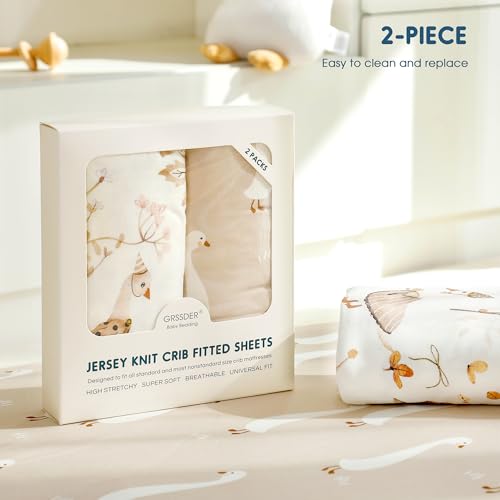
The best crib sheet fabric overall is 100% organic cotton, with the KeaBabies Organic Cotton Crib Sheets standing out for breathability and secure fit. For a budget-friendly option, the Moonsea Microfiber Crib Sheets offer solid performance, while the GRSSDER Jersey Knit Crib Sheets provide excellent stretch and softness for fussy babies.
Parents want a crib sheet that’s safe, soft, and stays put, all while surviving endless wash cycles. With so many fabrics claiming to be the best, it’s hard to know what truly delivers.
As the founder of LittleDoze.com, I’ve spent years researching baby sleep essentials, comparing fabrics, safety standards, and real-world feedback. This guide cuts through the noise, focusing on what actually matters: breathability, fit, and how the fabric holds up over time. We looked at materials like organic cotton, microfiber, and jersey knit, weighing their pros and cons based on specs and parent reviews to help you make a confident choice.
Top 4 Fabric For Crib Sheets in the Market
The Best Fabric For Crib Sheets, Reviewed
KeaBabies Organic Cotton Crib Sheets

Strengths
- 100% organic cotton
- Excellent stretch and fit
- OEKO-TEX certified
Trade-offs
- Pricier than synthetics
- Fewer pattern options
If you’re aiming for a balance of safety, comfort, and long-term usability, these KeaBabies sheets stand out as a top pick. Made from 100% organic cotton with a jersey knit, they feel soft right out of the package and actually get cozier with each wash. The SnugFit Tech knit gives them just enough stretch to fit smoothly over standard mattresses, including thicker ones up to 8 inches, and owners repeatedly praise how well they stay put, even through midnight kicks and squirms.
What really sets them apart is the seamless elastic band, which avoids bunching and reduces the risk of loosening over time. Compared to microfiber or blended fabrics, these offer better airflow, which I consider essential for a safe sleep environment. They’re also certified by OEKO-TEX, meaning no harmful dyes or chemicals, a detail I always look for when recommending products for newborns.
Video review
Moonsea Microfiber Crib Sheets

Strengths
- Soft microfiber
- Affordable 2-pack
- Machine washable
Trade-offs
- Less breathable
- Not organic
- May loosen over time
At this price point, these microfiber crib sheets deliver exactly what budget-conscious parents need, basic protection and a decent fit without breaking the bank. The 100% microfiber fabric is soft to the touch and holds up well to frequent washing, which matters when you’re changing sheets multiple times a week. Owners consistently report they don’t pill easily and maintain their shape after several cycles, though they don’t breathe as well as natural fibers.
That said, while the elastic band wraps the entire edge for a snug fit, some reviewers note it can loosen slightly over time, especially after high-heat drying. Compared to organic cotton options, these lack breathability but make up for it in durability and cost efficiency. I’d recommend these as backup or daytime sheets, not as the primary sleep surface for babies prone to overheating.
Video review
GRSSDER Jersey Knit Crib Sheets

Strengths
- Ultra soft jersey knit
- Great stretch and fit
- Easy to clean
Trade-offs
- Not organic
- Moderate breathability
- Limited depth at 8 inches
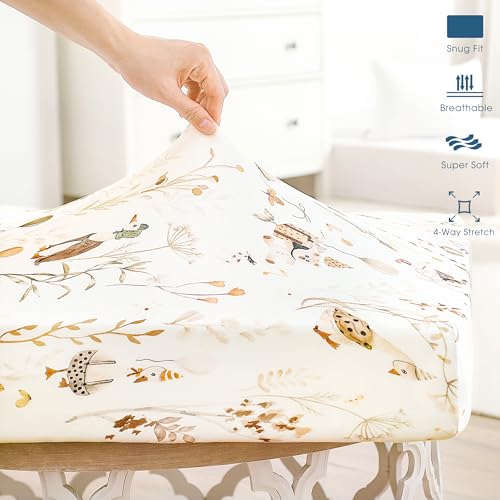
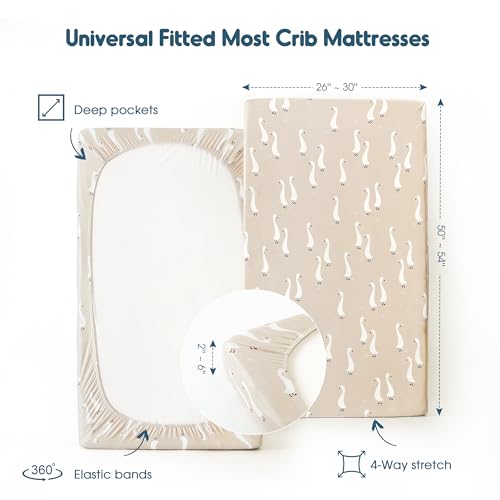
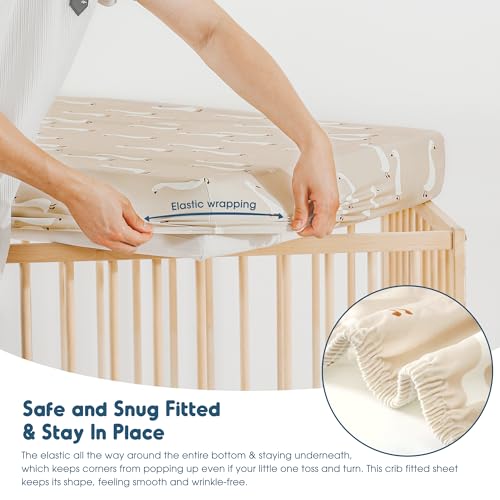
These sheets feel like a soft t-shirt the moment you touch them, thanks to the 4-way stretch jersey knit fabric that reviewers consistently describe as ‘buttery’ and ‘snug’. The breathability is solid for a non-organic fabric, and the full elastic border ensures they stay in place on standard 52″x28″ mattresses. I appreciate that they’re easy to pull on and remove, something parents with wiggly toddlers will definitely notice.
While they aren’t made from organic cotton, the fabric holds up well to machine washing and doesn’t show signs of pilling quickly, which is a common issue with cheaper jersey knits. Compared to the KeaBabies option, these trade certification and natural fiber for a slightly softer hand feel and lower price. They’re not the most breathable option on the market, but for most babies, the airflow is sufficient.
Product photos
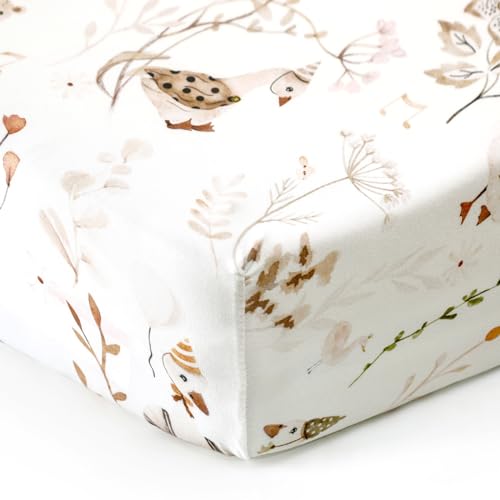
CroBlissful Mallard Duck Crib Sheets

Strengths
- 9-inch deep pockets
- 4-pack variety
- Stylish pattern
Trade-offs
- Not organic or certified
- Pattern may not suit all tastes
- Slightly higher price
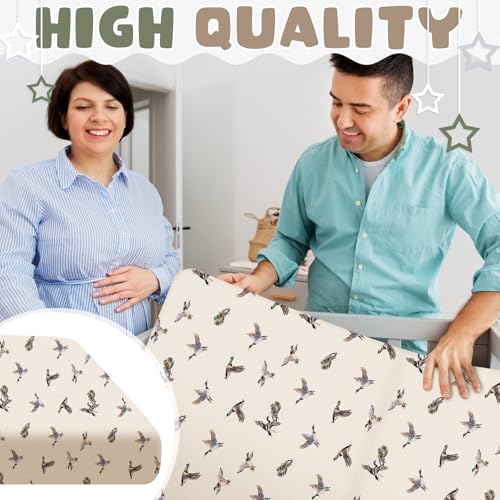
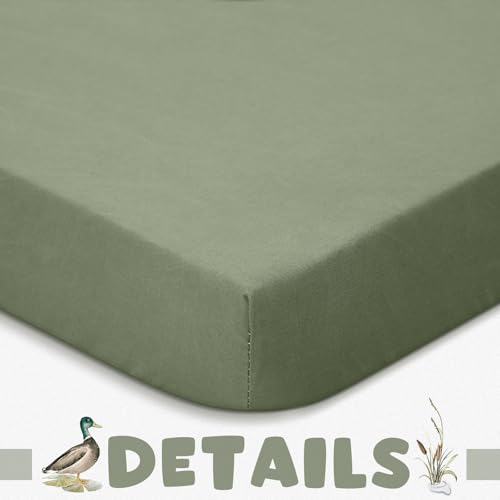
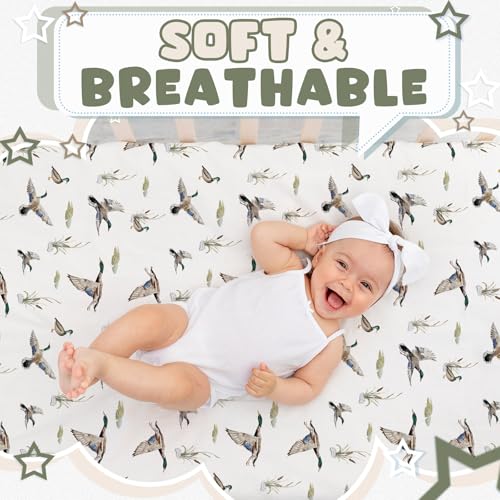
What makes this set unique is the 9-inch deep pocket, rare in most standard packs, which makes them a strong contender for extra-thick mattresses or hybrid sleepers transitioning from bassinets. The stretchy fabric conforms well, and owners with plush crib pads report these stay secure where others slip. The mallard duck pattern is a standout for themed nurseries, and the neutral tones keep it from feeling overwhelming.
However, while the fabric is soft and breathable, it’s not labeled as organic cotton, and there’s no mention of chemical certifications. That’s a drawback if you’re building a non-toxic sleep space. Still, getting four styles in one pack adds real value for parents who like rotating designs or need extras on hand. Compared to 2-packs at similar prices, this set gives more versatility, especially for gift-giving.
Product photos


Our Testing Process
As a mom and the founder of LittleDoze.com, I know how overwhelming choosing baby bedding can be. Rather than a hands-on test of every sheet, my approach involved a detailed research-led comparison of specifications and features from numerous brands. I weighed this data against extensive owner and expert reviews, factoring in my years of experience researching sleep safety and fabrics. This allowed me to rank options based on qualities parents consistently value.
For crib sheet fabric, breathability, softness, and secure fit were the most critical factors. Breathability is paramount for safe infant sleep, impacting temperature regulation. Softness directly influences comfort, and a secure fit prevents dangerous gaps where a baby could become entangled. Durability also played a role, as frequent washing is inevitable with baby items. We focused on materials like cotton and microfiber, assessing their inherent qualities and construction.
Specifications, thread count, fabric weight, and dimensions, provided a baseline for comparison. However, owner feedback was essential for understanding real-world performance. I paid close attention to comments regarding shrinkage after washing, how well the elastic held up, and whether the fabric truly felt soft against a baby’s skin. You can find more information about choosing organic cotton sheets for an eco-friendly option. Ultimately, we looked for fabrics that consistently received positive reviews and demonstrated a commitment to both comfort and safety, offering parents the best crib sheets available.
How To Pick The Right fabric for crib sheets
Choosing the right fabric for your baby’s crib sheets is about more than just aesthetics. It’s a key decision impacting comfort, safety, and how easily you manage nighttime changes and messes.
A good crib sheet fabric balances softness, breathability, durability, and a secure fit. Look for materials specifically designed for baby’s sensitive skin, with a focus on construction that will withstand frequent washing without losing shape or elasticity. Prioritize fitted sheets over flat sheets for safety, and always check the dimensions to ensure a snug fit on your mattress.
Understanding Fiber Content
The type of fiber used in a crib sheet dramatically affects how it feels and performs. While 100% cotton used to be the gold standard, there are now many viable options. Microfiber, for example, is exceptionally affordable and resists wrinkles, but it doesn’t breathe as well as natural fibers. Jersey knit cotton offers a lovely, t-shirt-like softness and excellent stretch, making changes quicker. However, be aware that some jersey knits can pill with repeated washing. Ultimately, your choice depends on your priorities and your baby’s needs – if you’re concerned about allergies or sensitive skin, exploring crib sheet materials is a great starting point.
Assessing Weave and Construction
Beyond the fiber, how the fabric is woven matters. A tighter weave generally translates to greater durability and a smoother feel. Percale, for instance, is a plain weave known for its crispness and breathability. Muslin is a loose weave that’s incredibly soft and gets softer with each wash, though it can be less durable. Pay attention to the elastic used in the fitted sheet’s corners. A fully encased, strong elastic band is essential for a secure fit that won’t easily come loose during the night.
- A thin, exposed elastic will likely lose its stretch quickly.
- Partially encased elastic is better, but still prone to wear and tear.
- Fully encased, high-quality elastic is the most secure and longest-lasting option, even with frequent washing.
Considering Practicality and Care
Let’s be real: baby items get dirty. Opting for a fabric that’s easy to care for will save you a lot of stress. Most crib sheets are machine washable, but check the label for specific instructions. Pre-washing sheets before first use is always a good idea to remove any manufacturing residues and soften the fabric. For babies with sensitive skin or eczema, consistently washing sheets in gentle, fragrance-free detergent is vital, and you might want to consider gentle crib sheets specifically designed to minimize irritation.
A useful rule of thumb is to buy at least two to three sets of crib sheets per mattress. This allows for quick changes during diaper leaks or spit-ups and ensures you always have a clean set on hand.
Fabric for Crib Sheets Compared
Here’s a comparison of key specifications for different crib sheet options.
| Product Title | Material | Dimensions (LxW) | Pocket Depth | Pack Size | Key Feature |
|---|---|---|---|---|---|
| KeaBabies Organic Cotton Crib Sheets | 100% Organic Cotton | 52″ x 28″ | N/A | 2-Pack | SnugFit Tech |
| Moonsea Microfiber Crib Sheets | 100% Microfiber | 52″ x 28″ | N/A | 2-Pack | Fade Resistant |
| GRSSDER Jersey Knit Crib Sheets | Jersey Knit | 52″ x 28″ | N/A | N/A | 4-way Stretch |
| CroBlissful Mallard Duck Crib Sheets | Soft, Elastic Fabric | 52″ x 28″ | 9″ | N/A | Deep Pockets |
Frequently Asked Questions
What thread count should I look for in crib sheets?
A thread count between 200 and 400 is ideal for crib sheets. While higher thread counts can indicate softness, they don’t always guarantee quality and can sometimes indicate a looser weave that isn’t as durable.
Are microfiber sheets safe for my baby?
Microfiber sheets are generally considered safe, but they aren’t the best choice for breathability. They can trap heat, which is why 100% cotton or muslin are often preferred, especially for warmer climates or babies prone to overheating.
How often should I wash my baby’s crib sheets?
You should wash your baby’s crib sheets at least once a week, or more often if there are any spills or messes. Frequent washing helps maintain hygiene and prevents the buildup of allergens that could irritate sensitive skin.
Can I use fabric softener when washing crib sheets?
Avoid using fabric softener on crib sheets. It can leave a residue that reduces the fabric’s absorbency and potentially irritate your baby’s skin, and it can also interfere with the fire retardancy of some materials.
What’s the difference between fitted and flat crib sheets, and which should I choose?
Fitted sheets are designed with elastic edges to securely hug the mattress and are the safer option. Flat sheets pose a suffocation risk if they become loose in the crib, so I always recommend fitted sheets for a secure and comfortable sleep environment, and completing your crib bedding with other safe items.
The Bottom Line
Choosing a crib sheet fabric often comes down to balancing what you’re willing to spend with the level of comfort and practicality you desire. While many options exist, the KeaBabies Organic Cotton Crib Sheets consistently stand out as a reliable all-around choice. They provide the breathability and softness parents prioritize, along with a secure fit thanks to their SnugFit Tech.
For parents seeking specific features, the market offers excellent alternatives. If budget is a primary concern, the Moonsea Microfiber Crib Sheets deliver affordability and wrinkle resistance. Those prioritizing a stretchy, easy-change option will appreciate the GRSSDER Jersey Knit Crib Sheets, and for mattresses with deeper sides, the CroBlissful Mallard Duck Crib Sheets with their deep pockets offer a secure crib sheets. If you’re leaning towards an eco-friendly choice, exploring bamboo crib sheets is a worthwhile consideration.
Ultimately, remember that the fabric is only one piece of the puzzle. Prioritizing a snug, well-fitting sheet, and consistently ensuring a safe sleep environment, matters far more than any particular thread count or fiber type. Focus on breathability, a secure fit, and regular washing with gentle detergents, and you’ll be well on your way to creating a restful space for your little one.
