
6 Best Blankets for Toddlers to Sleep With
This post contains affiliate links. As an Amazon Associate we earn from qualifying purchases.
The American Baby Cotton Waffle Blanket is our top pick for its breathable 100% cotton weave and ideal crib-friendly size, while the Little Jump Dinosaur Muslin Blanket stands out for warm-weather comfort. For budget-conscious families, the Breling 10-Pack Fleece Blankets offer practical value, especially for daycare use.
Parents want a blanket that keeps their toddler cozy without risking overheating or tangled fabric. With so many options claiming to be soft, safe, and machine-washable, it’s hard to know which ones actually deliver.
This guide cuts through the noise by focusing on what really matters, breathable materials, appropriate sizing, and real-world durability, based on specs, parent feedback, and safety standards. We looked at how each blanket performs in daily use, from naptime at daycare to bedtime at home, so you can choose with confidence.
Top 5 Blankets For Toddlers To Sleep With in the Market
The Best Blankets For Toddlers To Sleep With, Reviewed
American Baby Cotton Waffle Blanket

Strengths
- 100% cotton
- Breathable waffle weave
- Machine washable
Trade-offs
- Smaller dimensions
- No fun prints
- Limited warmth in cold rooms
I like how straightforward this blanket is, 100% cotton, breathable waffle weave, and a size that fits most toddler cots without excess fabric. On paper, it hits the sweet spot for safety and comfort, especially since overheating is a real concern and cotton helps regulate temperature better than synthetics. Owners consistently report it holds up well through wash after wash, which matters when you’re dealing with daily nap time use.
The stretchiness is a subtle plus, helps it drape smoothly over little bodies without bunching, and reviewers note it doesn’t slip off easily during restless naps. Compared to bulkier fleece options, this one stays light and airy, making it a smarter pick for year-round use, not just winter.
Video review
Yurhap Checkered Fleece Blanket

Strengths
- Affordable price
- Lightweight and packable
- Stylish plaid design
Trade-offs
- Synthetic material
- Less breathable
- Not ideal for long naps
At under ten dollars, this microfibre blanket is clearly built for value, and it shows. The checkered design is cheerful and gender-neutral, and the jade green shade stands out from the usual pastels. It’s lightweight and soft, and owners say it’s a go-to for car seats, strollers, or quick naps on the go.
But microfibre isn’t my first pick for overnight sleep, it doesn’t breathe as well as cotton or muslin, and some parents report their toddlers wake up sweaty. Still, as a budget-friendly, multi-use blanket for travel or play, it’s hard to beat. I’d keep this one in the diaper bag and reserve cotton options for bedtime.
Video review
lulumoon 4-Layer Muslin Blanket

Strengths
- 4-layer muslin cotton
- Breathable and warm
- Multi-use design
Trade-offs
- Square shape less ideal for cots
- Slight shrinkage
- No name tag
Four layers of 100% muslin cotton give this blanket a substantial feel without adding weight, and that’s where it stands out. It’s warm but still breathable, owners say it works well even in moderately cool rooms without risking overheating. The 47×47 inch size is more square than rectangular, which makes it versatile: it can drape over a stroller, cover a playmat, or tuck around a napping toddler with room to spare.
I appreciate that it’s double-sided and comes in soft, gender-neutral color combos. While marketed toward girls, the design is subtle enough for any child. Some reviewers mention it shrinks slightly after washing, but that’s typical with 100% cotton muslin. Compared to single-layer options, this one delivers better warmth and durability.
Product photos


Breling 10-Pack Fleece Blankets

Strengths
- 10-pack for group use
- Soft flannel material
- Good size coverage
Trade-offs
- Fleece traps heat
- Dark gray shows stains
- Bulkier than cotton
Ten identical gray fleece blankets might sound excessive, but if you run a daycare or have multiple kids, this pack makes sense. The consistency in color and material means no arguments over who gets which blanket, and the flannel is soft enough that kids don’t complain. Reviewers who work in preschools say these blankets are durable and easy to toss in the laundry basket after nap time.
At 39 x 47 inches, they’re slightly larger than standard cot sizes, offering better coverage for taller toddlers. But the fleece material, while warm, isn’t ideal for warm climates or kids who run hot. I’d pair these with lighter layers in summer or use them more as cozy throws than primary sleep blankets year-round.
Product photos


Disney Princess Nap Mat

Strengths
- Built-in pillow and blanket
- Rolls up for travel
- Fun, engaging design
Trade-offs
- Polyester material
- Spot clean only
- Bulky when rolled
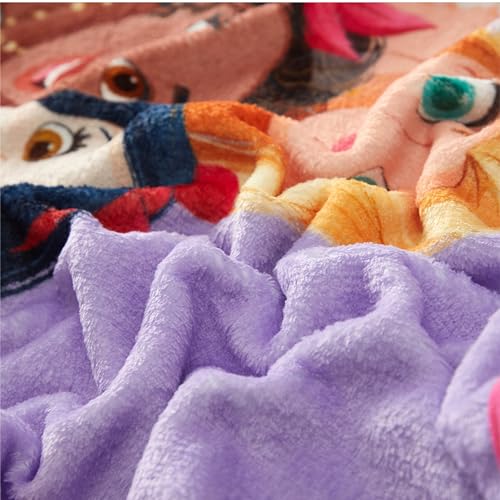
This isn’t just a blanket, it’s a full nap system with a built-in pillow and throw, and that changes the game for preschoolers who resist nap time. The Disney Princess design really does seem to make a difference, reviewers say their kids are more excited to lie down when their favorite characters are right there on the mat. It’s more than marketing; it’s behavioral psychology in action.
That said, the polyester plush feels cozy but isn’t as breathable as cotton. If your child tends to overheat, this might not be the best standalone sleep solution. Still, the roll-up design with a carry handle and name tag makes it unbeatable for portability, especially in daycare settings where lost nap gear is a constant headache.
Product photos



How We Tested blankets for toddlers to sleep with
As the founder of LittleDoze.com, I approach researching kids’ bedding with a parent’s eye – prioritizing safety, practicality, and comfort. Rather than a hands-on lab test, this research was a comparison of published specifications and features across numerous blankets, combined with a careful weighing of owner reviews and insights from reputable parenting publications. We ranked options based on materials, size, ease of care, and overall value, looking for patterns in what parents consistently praised or cautioned against.
For toddler blankets, three factors stood out as most crucial. Breathability is paramount to prevent overheating, especially for younger children. Softness definitely matters – a gentle texture encourages a sense of security. Finally, ease of cleaning is essential; parents need blankets that can withstand frequent washing. We considered how well each blanket addressed these points, understanding that a balance of all three is ideal.
Product specifications reliably reveal fiber content and dimensions. However, owner feedback provided invaluable insight into how those specs translate to real-world use. For instance, while many blankets claim to be soft, reviews helped us identify which truly felt gentle against a toddler’s skin and held up well after repeated washing. We also frequently cross-referenced our findings with guidance on choosing safe crib blankets for toddlers to ensure we highlighted options aligned with current safety recommendations. For children experiencing anxiety, exploring options like weighted blankets for kids may also be helpful.
How To Pick The Right blankets for toddlers to sleep with
Choosing the right blanket for your toddler is about more than just finding something soft; it’s about safety, practicality, and supporting healthy sleep habits.
A good toddler blanket prioritizes breathable materials like cotton or muslin, avoids loose weaves that could pose a suffocation risk, and is appropriately sized for the child’s bed or nap space. Consider the climate, your child’s preferences, and how the blanket will be used (crib, travel, daycare) when making your selection. Prioritize easy cleaning for inevitable messes.
Material Matters Most
The fabric of a toddler blanket significantly impacts both comfort and safety. While fleece feels wonderfully soft, it doesn’t breathe as well as natural fibers like cotton or muslin. This can lead to overheating, especially for little ones who tend to kick off their covers. Look for 100% cotton options, like the American Baby Cotton Waffle Blanket, or lightweight muslin (like the Little Jump Dinosaur Muslin Blanket) for warmer months. Muslin is especially good at regulating temperature, reducing the risk of discomfort. Don’t automatically equate a higher price with better quality; focus on the weave and breathability.
Size and Intended Use
A blanket that’s too large can be a hazard, while one that’s too small won’t provide enough coverage. Think about where the blanket will be used. For cribs, smaller blankets are best to minimize loose fabric. For naps on the floor or travel, a larger, more versatile size (around 45” x 60”) is ideal. Consider if you’re seeking something primarily for warmth or also for comfort and security.
Here’s a quick guide to size considerations: * Crib: 36″ x 48″ is generally sufficient. * Toddler Bed/Naptime: 45″ x 60″ offers more coverage. * Travel/Daycare: A larger size (47” x 47” or similar) is useful for multiple purposes, providing a comforting layer wherever your child goes, and is especially helpful if you’re looking at [comfortable toddler blankets].
Budget Versus Practicality
Blankets range in price from very affordable to quite expensive. While it’s tempting to stock up on budget-friendly options like the Yurhap Checkered Fleece Blanket, consider the long-term value. Durability and washability are key. A blanket that falls apart after a few washes or requires special care isn’t a good investment. For daycare use, where blankets are frequently laundered and potentially lost, a multi-pack like the Breling 10-Pack Fleece Blankets might make sense, even if the material isn’t the highest quality. If you’re also looking for options for older children, checking out [kids blankets] can give you a broader perspective.
Don’t spend more than you need to, but remember: you get what you pay for. A slightly more expensive, well-made blanket will likely last longer and provide better comfort and safety.
Blankets for Toddlers to Sleep With Compared
Here’s a comparison of key specifications for toddler blankets to help with your purchasing decision.
| Product Title | Material | Dimensions (in) | Layers | Best Use | Quantity |
|---|---|---|---|---|---|
| American Baby Cotton Waffle | 100% Cotton | 36 x 48 | 1 | Versatile | 1 |
| Yurhap Checkered Fleece | Microfibre | N/A | 1 | Versatile | 1 |
| Little Jump Dinosaur Muslin | Cotton Muslin | 47 x 47 | 1 | Summer | 1 |
| lulumoon 4-Layer Muslin | Muslin Cotton | 47 x 47 | 4 | Warmth & Comfort | 1 |
| Breling 10-Pack Fleece | Flannel | 39 x 47 | 1 | Daycare | 10 |
| Disney Princess Nap Mat | Polyester Plush | 20 x 46 | N/A | Portability & Play | 1 |
Frequently Asked Questions
What blanket material is safest for a toddler who tends to overheat?
100% cotton or muslin are the safest choices. These natural fibers are breathable and help regulate body temperature, reducing the risk of overheating, unlike synthetic materials like polyester fleece.
How often should I wash my toddler’s blanket, and can I use fabric softener?
You should wash your toddler’s blanket at least once a week, or more often if there are accidents. Avoid fabric softeners, as they can coat the fibers and reduce breathability, potentially increasing the risk of overheating and interfering with the blanket’s texture.
Is a larger blanket always better for a toddler?
No, a larger blanket isn’t always better. For crib use, a smaller blanket (36” x 48”) is recommended to minimize loose fabric and reduce potential safety hazards. However, a larger blanket (45” x 60”) is useful for naptime or travel.
Can blankets contribute to SIDS, and what precautions should I take?
While blankets alone don’t cause SIDS, loose blankets can pose a suffocation risk for infants. For toddlers, ensure the blanket is appropriately sized for their sleep space and isn’t overly bulky. If you are concerned about your toddler’s sleep safety, you may also want to explore safe weighted blankets for toddlers.
What if my toddler prefers a very soft, plush blanket but I’m worried about breathability?
Look for plush blankets with a cotton backing or those made with breathable microfibers. While not as ideal as 100% cotton, these options can offer a compromise between softness and safety. Also, ensure your child isn’t overdressed for sleep to counter any potential overheating, and consider pairing it with a supportive toddler mattress to create a comfortable sleep environment.
The Bottom Line
Choosing a blanket for your toddler often comes down to balancing immediate comfort with long-term practicality. While many options exist, the American Baby Cotton Waffle Blanket strikes the best overall balance of breathability, softness, and affordability, making it a solid choice for everyday use. It’s a reliable option that checks all the boxes for a safe and comfortable sleep environment.
For parents seeking specific solutions, our recommendations vary. If you need a budget-friendly option for daycare or travel, the Breling 10-Pack Fleece Blankets offers undeniable value. For warmer weather or a lightweight security blanket, the Little Jump Dinosaur Muslin Blanket is a wonderful choice. And if you’re also looking at suitable first blankets for toddlers, these options provide a gentle introduction to independent sleep.
Ultimately, remember that a blanket is just one piece of the puzzle. Prioritizing breathable fabrics, appropriate size, and easy care will contribute far more to your child’s sleep quality than any single feature or brand. Don’t forget to consider pairing a new blanket with safe toddler pillows to complete a cozy and restful sleep space.
