
Baby Alpaca Blanket Explained: Defining Quality by Microns
This post contains affiliate links. As an Amazon Associate we earn from qualifying purchases.
A baby alpaca blanket is a textile where the primary fiber is graded as “baby alpaca,” defined by a micron count between 19 and 23. This measurement refers to the diameter of the individual fibers, not the age of the animal. Blankets in this grade balance exceptional softness against skin with enough durability for everyday use, and they are naturally hypoallergenic, breathable, and warmer than sheep’s wool.
The micron range is the only reliable fact in a market filled with inconsistent labels. Peruvian, American, and international standards use slightly different cutoffs, and there is no global body enforcing the term “baby alpaca.” A blanket sold in a tourist market and one from a certified producer can both carry the same label while containing fibers of vastly different fineness.
What follows is a breakdown of the grading science, the physical properties that make this fiber unique, and the specific questions you need to ask any seller to confirm you’re getting the softness you’re paying for.
Key Takeaways
- “Baby” refers to fineness, not age. The label denotes fiber diameter (19–23 microns), typically shorn from the prime areas of an adult alpaca.
- Micron count is your only reliable metric. There is no international regulation for alpaca grades. Always ask a brand for the specific micron number of their blanket’s fiber.
- Softer isn’t always more durable. Royal alpaca (under 20 microns) is incredibly soft but can be delicate and “floppy” in a knit. Baby alpaca offers the best balance for a blanket.
- It’s inherently safe for sensitive skin. The fiber lacks lanolin, has a smooth scale structure, and is naturally hypoallergenic, making it suitable for newborns and those with wool allergies.
- Verification matters. Reputable producers test fiber with OFDA equipment and can provide documentation. If a seller cannot state a micron count, their “baby alpaca” claim is just marketing.
The Science Behind the Softness: Microns Over Myths
The single biggest misconception is that a baby alpaca blanket comes from a young animal. It doesn’t. The term is a grade of fineness. Alpaca fiber tends to be finest in the animal’s early years, but genetics and diet play a larger role. Some adults continue producing baby-grade fiber their entire lives.
The critical measurement is the micron. One micron is one-thousandth of a millimeter. For scale, a human hair averages about 70 microns. The fibers in a true baby alpaca blanket measure between 19 and 23 microns, depending on the grading system used.
Where this goes sideways: Buying based on the label alone. In Peruvian tourist markets, vendors may call any alpaca product “baby alpaca.” One professional buyer estimated at least 50% of products she examined in these markets did not contain true baby-grade fiber, despite the label.
This confusion exists because there is no international regulation for alpaca fiber grades. Assignment is left to individual countries and their industry associations. While everyone uses the same measurement tool, the Optical Fibre Diameter Analyser (OFDA), developed in Australia for wool, the commercial terms that follow are not standardized.
The Alpaca Fiber Grade Spectrum
Not all alpaca is equal. The blanket’s hand-feel and longevity are determined by where its fiber falls on this scale.
| Grade Name | Typical Micron Range | Best Use in Blankets | Feel & Trade-off |
|---|---|---|---|
| Royal / Premium | 17 – 20 microns | Heirloom, display, or gentle-use blankets | Unbelievably soft, like silk. Can be delicate and lack structural memory. |
| Baby Alpaca | 19 – 23 microns | All-purpose, everyday blankets | The sweet spot: luxuriously soft against skin but durable enough for regular use. |
| Superfine Alpaca | 23 – 26 microns | Durable, machine-washable blankets | Still soft, but more robust. Offers better “memory” (springs back to shape). |
Royal alpaca is rare, constituting only about 2% of all harvested fiber. While it feels exquisite, its fineness can make it less ideal for a blanket that will see daily snuggling or washing. Baby alpaca provides that coveted softness with more practical durability. When evaluating luxury baby blankets, the grade is what justifies the premium.
Why Baby Alpaca Blankets Are in a Class of Their Own
The physical structure of the alpaca fiber creates a unique set of properties you won’t find in sheep’s wool or cashmere. This isn’t marketing; it’s materials science.
First, alpaca fiber is medullated, each strand has hollow cores. These tiny air pockets trap heat efficiently, making an alpaca blanket up to seven times warmer than a sheep’s wool blanket of the same weight. Yet, those hollow fibers also make it lightweight and breathable. The blanket won’t feel heavy or suffocating.
Second, the fiber scales are smoother and fewer than those on sheep’s wool. This smoothness is why alpaca isn’t prickly. It also means the fibers are less likely to bind together and felt during washing. More importantly, this smooth structure, combined with the absence of lanolin (the oily substance in sheep’s wool), is what makes alpaca naturally hypoallergenic. It doesn’t harbor dust mites or common allergens at the same rate, making it a top choice for safe newborn blankets and children with sensitive skin or eczema.
The part nobody mentions: That same smooth scale structure that prevents itching also makes the fiber naturally water-repellent. A spilled drink will bead up on the surface long enough for you to blot it away before it soaks in.
Durability is the third pillar. Alpaca fiber is longer and stronger than merino wool or cashmere. This longer staple length means fewer fiber ends poke out of the yarn. Fewer ends mean less pilling. A well-made baby alpaca blanket will maintain its smooth, soft surface for years, softening further with each wash instead of breaking down.
How Do You Actually Know It’s Baby Alpaca?
You can’t trust the label alone. You need to interrogate the source. This is the step that separates a savvy buyer from a disappointed one.
Ask the brand or retailer one direct question: “What is the micron count of the alpaca fiber in this blanket?” A serious producer who has tested their fiber will have this number. They might say “20 microns” or “22.5 microns.” If they can’t or won’t give you a number, they are relying on an unverified grade label. Consider that a red flag.
Reputable farms and mills test fiber at multiple stages. They use OFDA equipment to get a histogram of the fiber diameters in a batch. Some go further and have the finished yarn from a batch independently tested by a lab like Vartest Laboratories to validate the composition and micron count before it’s ever woven. This documentation is your proof.
I won’t recommend a baby alpaca blanket from a brand that can’t cite a micron count. The tourist-market experience, where the label is slapped on anything soft, proves how meaningless the term can be without verification. Your blanket is an investment. The data backs up the claim.
This verification is especially critical if you’re looking for the best organic baby blankets available. Organic certification speaks to farming practices, not fiber fineness. You want both: responsible sourcing and guaranteed softness.
Baby Alpaca vs. Other Blanket Materials
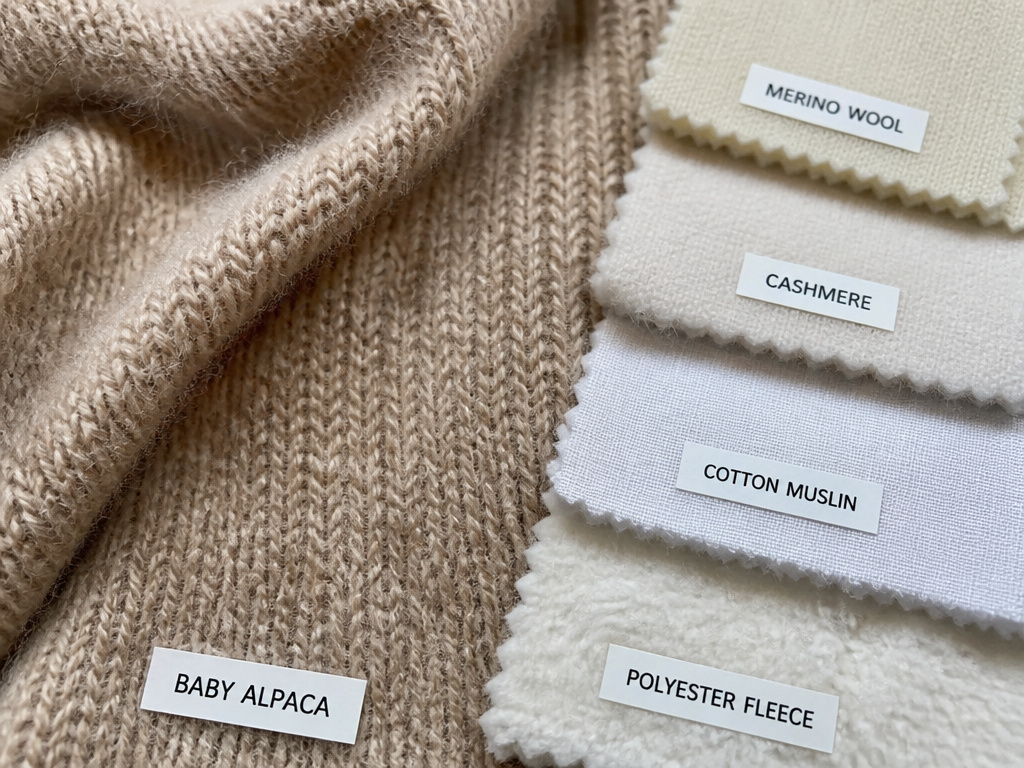
It’s helpful to see how baby alpaca stacks up against common alternatives. This isn’t about declaring one winner, but about matching the material to your child’s needs.
| Material | Warmth | Weight | Softness | Durability | Best For |
|---|---|---|---|---|---|
| Baby Alpaca | Very High | Light | Exceptionally soft, non-itchy | High, pills less | Sensitive skin, cold sleepers, heirloom quality |
| Merino Wool | High | Medium | Soft, but can itch some | Moderate, can pill | Temperature regulation, active use |
| Cashmere | High | Light | Very soft | Low, pills easily | Special occasion, gentle use |
| Cotton (e.g., Muslin) | Low | Light | Crisp, softens with wash | Very High | Summer, swaddling, breathable swaddle blankets |
| Polyester Fleece | Medium | Medium | Plush, can trap static | High | Everyday play, easy washing |
For a newborn, the hypoallergenic and temperature-regulating properties of baby alpaca are a significant advantage over wool. It’s a step up in luxury and function from standard receiving blankets. Compared to cashmere, it’s simply more practical for a child’s blanket, it will look good for longer.
Caring for Your Investment
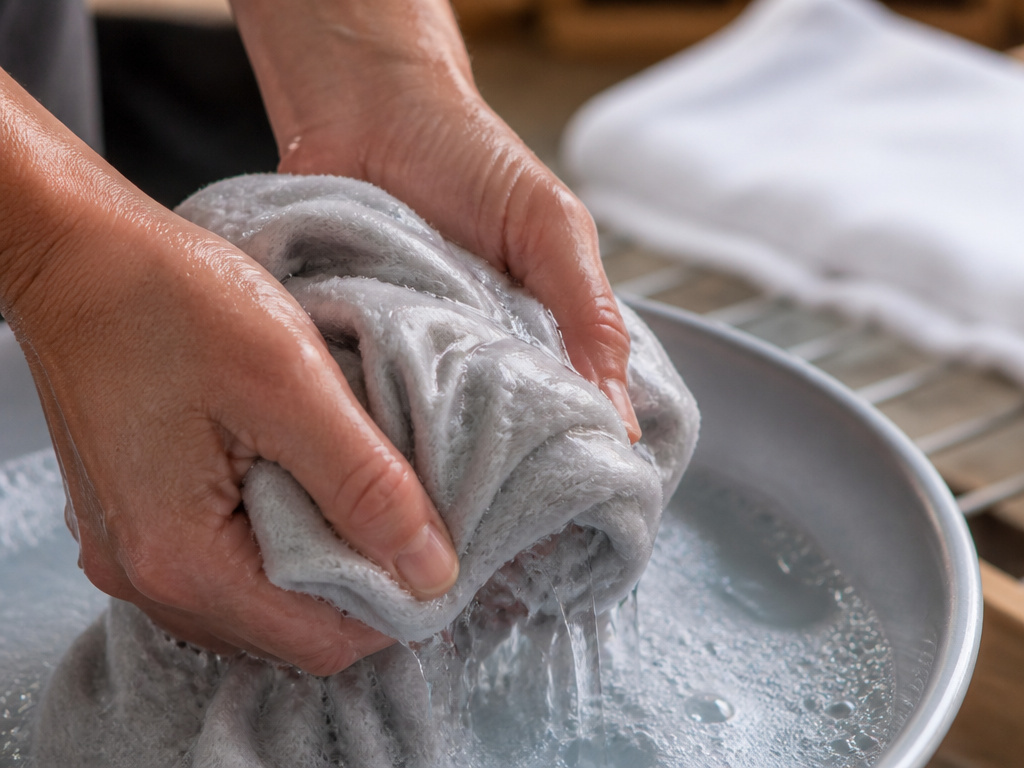
A baby alpaca blanket doesn’t require coddling, but it does demand respect. Proper care preserves its softness and extends its life by years.
Hand washing in cool water with a mild detergent is the gold standard. Gently squeeze out water, never wring or twist. Roll the blanket in a clean towel to press out moisture, then lay it flat on a drying rack, reshaping it as needed. Keep it away from direct heat or sunlight.
Most baby alpaca blankets are also safe for a gentle machine cycle in cold water. Use a mesh laundry bag. The real enemy is agitation and heat. Always, always air dry. Even a low-heat tumble can felt the fibers and shrink the blanket permanently.
Store the blanket folded in a cool, dry place. Cedar blocks are better than mothballs, which can impart a harsh chemical smell to the fiber. With this care, the blanket won’t just last through your child’s infancy. It can become an heirloom quality crib blanket passed down.
Frequently Asked Questions
Is baby alpaca okay for a newborn with eczema?
Yes, it is one of the best natural choices. Its hypoallergenic nature (no lanolin) and smooth fibers minimize skin irritation. Always supervise sleep and follow safe sleep guidelines, which recommend no loose blankets in the crib for unsupervised infants. For supervised snuggles or tummy time, it’s an excellent, gentle option.
How can I tell if my existing blanket is real baby alpaca?
Without a lab test, you can’t know the micron count. You can perform a burn test on a single, discreet fiber (real protein fiber smells like burning hair, synthetics melt). You can assess softness against known benchmarks. But the only way to confirm the grade is the documentation that should have come with it. If you lack that, you’re judging by feel alone.
Why is some baby alpaca scratchy?
If a blanket labeled baby alpaca feels scratchy, it likely contains fibers above the 23-micron threshold or is blended with a coarser material. True baby alpaca should not be prickly. This is why buying from a transparent source matters, you avoid the blended or mislabeled products that cause this disappointment.
Can it be used year-round?
Yes, due to its breathability. The hollow fibers provide warmth without weight, preventing overheating. It’s suitable for cool summer evenings and winter nights alike, making it more versatile than a dense wool blanket.
Is it worth the cost compared to a good cotton blanket?
It depends on your priorities. For pure softness, warmth, and a long-lasting heirloom, yes. For everyday messes, beach trips, or as a swaddling blanket that will be washed constantly, a high-quality cotton or muslin blanket is a more practical workhorse. They serve different purposes.
The Bottom Line
A baby alpaca blanket is defined by a number: a micron count between 19 and 23. That number translates to a specific, luxurious experience, weightless warmth, cloud-like softness, and gentle comfort for sensitive skin. The market is murky, so your most powerful tool is a question. Ask for the micron count. A legitimate seller will have the answer.
For a child’s blanket, the baby alpaca grade hits the perfect balance. It’s softer than superfine, more durable than royal, and outlasts cashmere. When you find a verified one, you’re not just buying a blanket. You’re investing in a cozy heirloom that redefines comfort for your little one.
