
What Is a Duvet Coverlet? The Layering Secret for Bedding
This post contains affiliate links. As an Amazon Associate we earn from qualifying purchases.
A duvet coverlet is a thin, decorative bedspread designed to be the top layer over a duvet, comforter, or quilt. It provides minimal warmth and is not a substitute for a primary blanket. Its job is aesthetic finishing, light layering for mild nights, and protecting the more expensive bedding underneath from daily wear, pets, or spills.
The distinction isn’t minor. Calling a coverlet a “duvet” sets you up for a cold, disappointed kid because you bought a decorative layer instead of a warmth layer. A duvet is the thick, insertable blanket. A duvet cover is the removable, washable shell for that insert. A coverlet sits on top of the whole system.
What follows is a breakdown of the three-layer system, why a coverlet makes sense in a child’s room, and how to pick one that’s safe, washable, and actually useful.
Key Takeaways
- A duvet coverlet is for looks and light coverage, not primary warmth. It lacks significant filling.
- Never use a coverlet alone in cool weather. It layers over a duvet or comforter.
- The practical win for parents: a coverlet protects the duvet insert from stains and wear, cutting down on bulk laundry.
- For kids, prioritize machine-washable, breathable fabrics like cotton or linen over delicate synthetics.
- This is a finishing piece. Your warmth investment goes into the duvet insert and your hygiene investment goes into the duvet cover.
Duvet Coverlet vs. Duvet vs. Comforter: The Core Difference
This is where most online guides talk in circles. The difference is structural, not just semantic.
A duvet coverlet is a single, often quilted layer of decorative fabric. A duvet is a filled insert designed for a removable cover. A comforter is a filled, quilted blanket used without a cover. The coverlet’s role is top-layer finishing; the duvet’s role is warmth; the comforter’s role is an all-in-one solution.
Let’s get specific. A duvet insert is a plain, white bag of filling, down, wool, or synthetic. It is meant to be stuffed inside a duvet cover, which you wash as often as your sheets. This is the standard European and Canadian system, and for good reason: you only wash the bulky insert a few times a year. A comforter is the common American alternative, a decorative, quilted blanket filled with the same materials, but it’s one piece. You wash the whole thing, which wears it out faster.
A coverlet doesn’t fit into this warmth equation. Look at the edge. If it doesn’t have an opening for an insert, it’s a coverlet or a quilt. If it’s thin enough to fold without a huge loft, it’s a coverlet.
| Bedding Layer | Primary Purpose | Filling | Wash Frequency | Used With |
|---|---|---|---|---|
| Duvet Coverlet | Decoration, light layer, protection | Minimal or none | Every 1–2 weeks (like sheets) | Over a duvet/comforter |
| Duvet Insert | Warmth | High (down, wool, synthetic) | 2–4 times per year | Inside a duvet cover |
| Duvet Cover | Hygiene, decoration | None | Every 1–2 weeks | Over a duvet insert |
| Comforter | All-in-one warmth & decoration | High (down, wool, synthetic) | Monthly (wears out fill) | Alone, over a sheet |
The short version: You buy a duvet insert for warmth. You buy a duvet cover for cleanliness and style. You buy a coverlet for the finished look on top. Skipping the insert and just using a coverlet is like putting a throw pillow on your bed and calling it a mattress.
Why a Coverlet Works in a Kid’s Room
The theory of a perfectly made bed meets the reality of a child’s bedroom. Here, a coverlet isn’t just decoration, it’s a strategic layer.
First, it’s a stain shield. The duvet cover gets the weekly wash, but the duvet insert underneath is a pain to clean. A coverlet takes the brunt of the afternoon snack, the drool, or the art-project accident. You pull it off and wash it without disturbing the entire sleep setup.
Second, it solves the “too hot or too cold” dilemma. A good, year-round duvet for a child’s room is often an all-season weight. On a borderline night, that duvet might be too warm. A lightweight organic kids bedding coverlet alone might be just right. On a cold night, the coverlet adds a light extra layer over the duvet without the weight of a second blanket.
Finally, it lets you change the room’s theme without a major purchase. Switching out a coverlet is cheaper and easier than buying a new kids bedding set or duvet cover. For a toddler moving into a “big kid” room or a teen updating their style, a new coverlet refreshes the look instantly.
Where this goes sideways: Using a coverlet as the only blanket on a cool night. The child will wake up cold, and you’ll blame the bedding. The coverlet is the garnish, not the main course.
How to Choose a Safe, Practical Coverlet for a Child
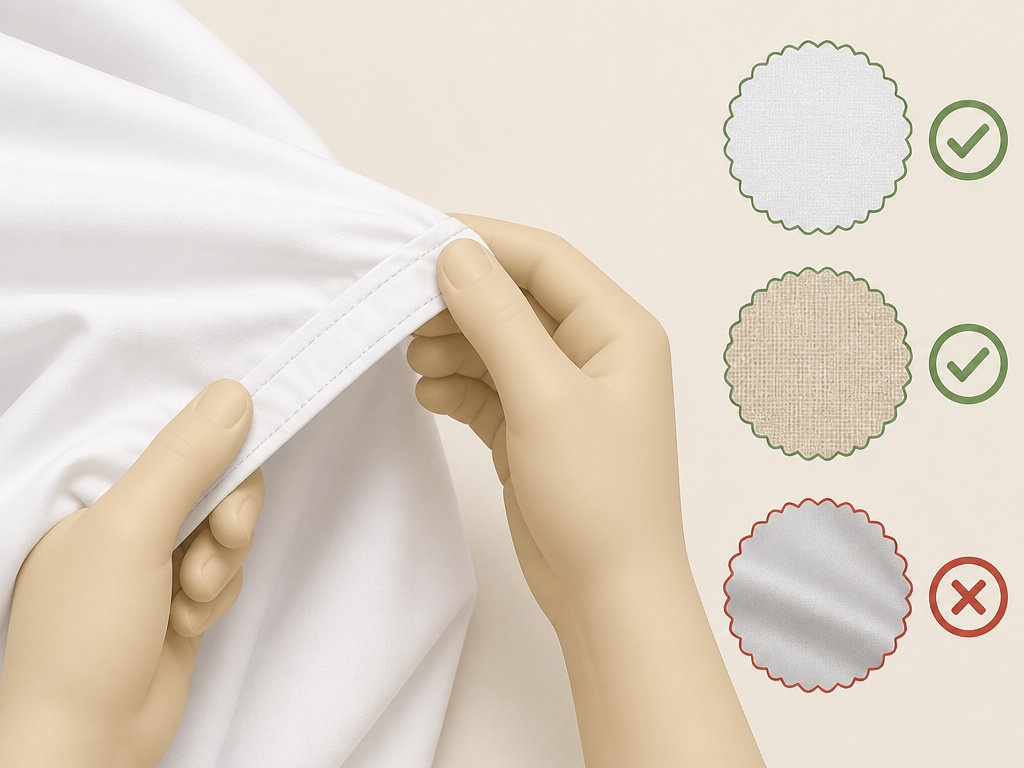 Not all coverlets are created equal, especially when they’re destined for a child’s bed. The fabric and construction dictate its safety and longevity.
Material is everything. You want breathability and durability. * Cotton (Percale or Sateen): The default. Percale is crisp and cool; sateen is softer and warmer. Both are natural, breathable, and withstand frequent washing. Look for organic cotton bed sheets quality, even for a coverlet. * Linen: Exceptionally breathable and gets softer with every wash. It’s a great temperature regulator but often comes with a higher price tag and more wrinkles. * Avoid: Heavy synthetic blends (polyester, microfiber). They trap heat, can feel clammy, and may not breathe well for a sleeping child.
Safety and construction details matter.
- Check for tight, secure stitching, especially if it’s quilted. Loose threads are a snag and pull hazard.
- Ensure any decorative buttons or ties are very securely attached. Better yet, choose a style without them for young children.
- The coverlet should be proportioned to drape over the sides of the bed, but not so long it becomes a tripping hazard. A kids bedding sets measurement will help here.
The wash test is non-negotiable. The tag should clearly say “machine washable.” If it says “dry clean only,” walk away. You will need to wash this often. A coverlet that can’t survive your washer isn’t a functional piece for a family home.
The Layering System: How to Actually Style a Bed with a Coverlet
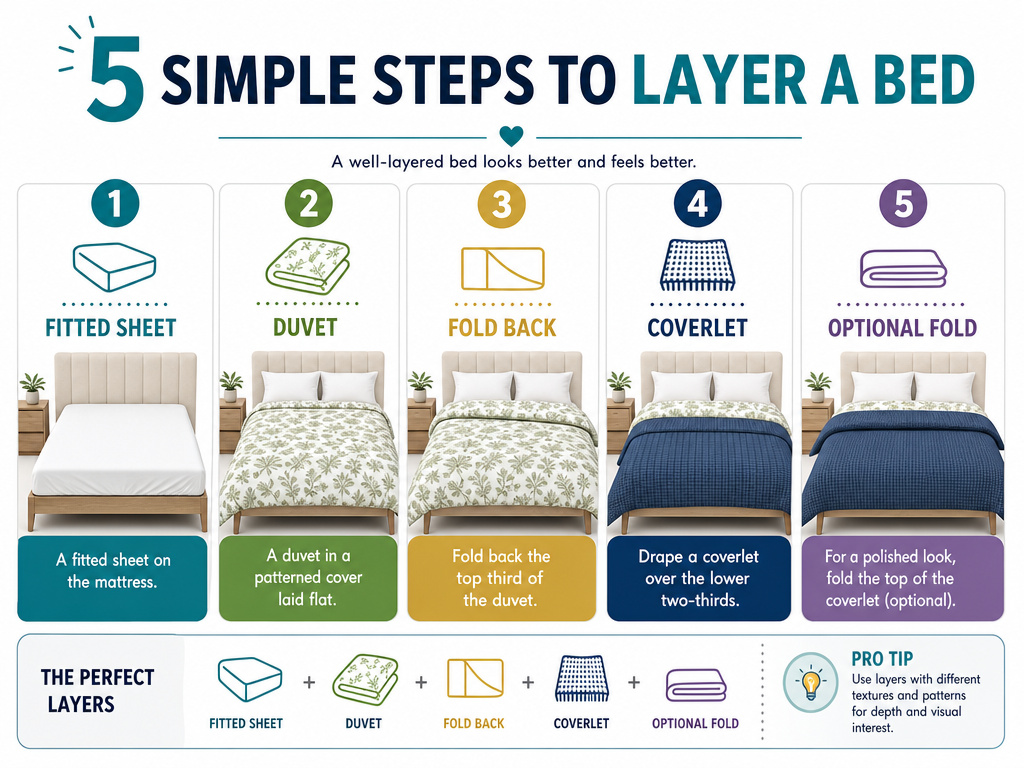 This is the practice behind the theory. A well-layered bed looks tidy and functions perfectly.
- Start with the foundation. Make the bed with a fitted sheet and a flat sheet (or skip the flat sheet if you use the “European” style with just a duvet cover).
- Add the warmth layer. Put your duvet insert into its duvet covers for kids. Shake it out so the fill is even. Lay it flat over the bed.
- Fold down the duvet. Fold the top third of the duvet back toward the foot of the bed. This creates a pocket to showcase the sheets and allows for easy entry.
- Drape the coverlet. Lay the coverlet evenly over the bed, aligning the bottom edge with the foot of the mattress. The coverlet will now cover the lower two-thirds of the duvet and the folded-back portion will show the duvet cover underneath.
- The final fold (optional). For a polished, hotel-style look, fold the top of the coverlet back over itself once, creating a clean horizontal line across the bed. This also keeps the coverlet from shifting at night.
This method keeps the coverlet in place as a top layer while ensuring the child can easily pull up the warmer duvet underneath. For younger kids who kick covers, you can simply lay the coverlet flat over the made duvet, function over form.
Common Coverlet Questions (And Real Answers)
Parents have practical concerns. The marketing copy doesn’t always address them.
Is a coverlet the same as a quilt?
Very similar, but not identical. Both are thin, decorative top layers. A quilt is traditionally pieced together from fabric patches and has stitching that goes through all three layers (top, batting, back). A coverlet is often one solid piece of fabric, sometimes quilted in a simple pattern. For everyday use, the difference is mostly aesthetic.
Can my child just use a coverlet in the summer?
Maybe, but test it. In a very warm, humid room, a breathable linen or percale cotton coverlet might be sufficient. In an air-conditioned room, it likely won’t be. It’s safer to have a lightweight summer duvet or comforters for kids as the primary layer and use the coverlet for decoration. A cold child won’t sleep.
How often should I wash a coverlet?
Wash it on the same schedule as your sheets for kids, every one to two weeks. It’s acting as a protective layer, so it’s collecting the same dust and skin cells as your sheets. Frequent washing in cool or warm water (check the tag) will keep it fresh without excessive wear.
What size coverlet should I buy?
For a layered look, the coverlet should be the same size as the bed (e.g., Twin for a Twin bed). If you want a more dramatic, puddled look, you can size up. A coverlet that’s too small will look awkward and won’t provide proper coverage. Always check dimensions against your mattress size.
Frequently Asked Questions
What is the main functional benefit of a duvet coverlet in a child’s room?
Beyond decoration, its primary job is to act as a protective shield. It takes the brunt of daily spills, pet hair, and general wear, preserving the more expensive and cumbersome duvet insert underneath. This means you can wash the lightweight coverlet frequently while only occasionally needing to launder the bulky insert.
Can a duvet coverlet be used as a standalone blanket for a child?
Only in very warm conditions or as a light throw, as it provides minimal insulation. It is not designed to be a primary warmth layer. For sleep, it should always be layered over a proper duvet, comforter, or quilt to ensure adequate warmth and comfort.
How do I choose a safe and practical duvet coverlet for my child?
Focus on durable, natural, and breathable fabrics like cotton or linen that are machine-washable. Avoid delicate materials or loose weaves that could snag. A secure, fitted design that stays in place is also preferable to one that slips off easily during the night.
Is a duvet coverlet the same thing as a bedspread or a quilt?
While similar in their decorative, top-layer function, they differ in thickness and construction. A coverlet is typically thinner and may be quilted or woven as a single layer. A traditional quilt consists of three fabric layers stitched together, and a bedspread is often larger, designed to cover the entire bed and pillows to the floor.
Before You Go
A duvet coverlet is a utility player, not a star. Its value is in finishing the room’s look and adding a practical, washable barrier. Your sleep investment should go into a quality, breathable duvet insert and a soft, durable duvet cover. The coverlet is the final touch.
For a child’s room, this logic is amplified. Choose a coverlet in a tough, washable fabric like cotton or linen. Use it to protect the bigger investments underneath and to add a pop of color or pattern that can change as quickly as your child’s interests do. It’s the easiest piece in the bedding for children’s rooms puzzle to swap out, and sometimes, that’s its greatest strength.
