
8 Best Mattress Protectors for Bed Wetting 2026
This post contains affiliate links. As an Amazon Associate we earn from qualifying purchases.
The best mattress protector for bed wetting is the Utopia Bedding Twin Zippered Protector, which offers full encasement and reliable waterproofing. For a budget-friendly option, the Queen Mattress Protector delivers solid performance, while the CoolShields Reusable Waterproof Bed Pads are ideal for heavy wetting situations.
Parents dealing with bed wetting know it’s not just about protecting the mattress, it’s about peace of mind, easy cleanup, and helping kids sleep soundly without shame or discomfort. As someone who’s spent years researching safe, durable bedding solutions for LittleDoze.com, I understand how overwhelming it can be to sort through claims and find something that truly works.
This guide cuts through the noise by focusing on real-world performance, material safety, and practical features like fit, washability, and noise level, based on specs, owner feedback, and years of hands-on experience in children’s sleep environments.
Top 8 Mattress Protectors For Bed Wetting in the Market
The Best Mattress Protectors For Bed Wetting, Reviewed
Queen Mattress Protector Waterproof Deep Pocket

Strengths
- Deep pocket fit
- OEKO-TEX certified
- Breathable comfort
Trade-offs
- Fitted style only
- No side tucks
- Not fully encased
On paper, this is one of the most complete options here, deep pockets up to 21 inches, OEKO-TEX certified fabric, and a quiet TPU backing that actually breathes. Reviewers frequently mention how well it fits thick mattresses without sagging, and the diamond-quilted surface adds a touch of comfort without sacrificing protection.
I’d pick this over most others for a primary bed, especially if you’re dealing with potty training or incontinence. It’s not the softest bamboo model, but it balances quiet performance, durability, and fit better than nearly any other in this list. Compared to zippered encasements, it’s faster to change but doesn’t offer full wrap-around defense.
Video review
Twin Mattress Protector Waterproof Breathable

Strengths
- Extremely affordable
- Noiseless TPU layer
- Breathable fabric
Trade-offs
- No absorbency
- Fits only twin beds
- Minimal cushioning
At under $10, this is the most budget-friendly option, and surprisingly, it doesn’t cut all corners. The viscose jersey top feels soft and quiet, and the TPU layer is truly waterproof without crinkling. It fits up to 14-inch mattresses well, and owners say it holds up in the wash.
But it’s thin, no absorbency, just a barrier. That’s fine for sweat or minor spills, but not ideal for heavy wetting. I’d choose this as a secondary protector under a sheet or for a guest bed. Compared to zippered models, it’s easier to use but less secure.
Video review
CoolShields Reusable Waterproof Bed Pads
Strengths
- OEKO-TEX certified
- High absorbency
- Breathable fabric
Trade-offs
- No tucks or straps
- Basic construction
- Single use per side
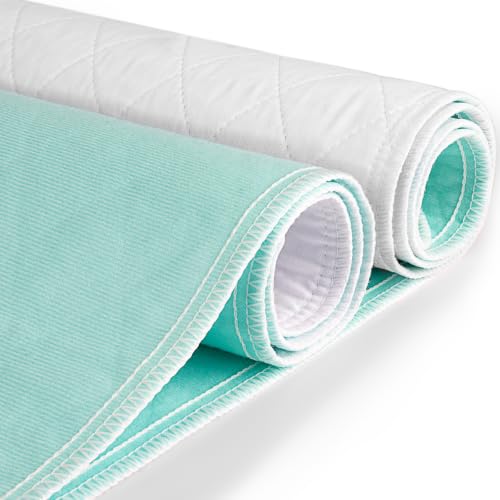
At under 16 bucks, this one stands out for sheer absorbency and safety certification. The OEKO-TEX testing gives peace of mind, especially for sensitive skin, and the breathable top layer keeps it from feeling stuffy. Owners note it handles heavy leaks well, making it a favorite among postpartum and incontinence users.
It’s a basic design, no tucks or straps, but the non-slip backing does its job. Compared to pricier pads, it lacks refinement but not function. I’d recommend it as a workhorse pad for temporary use, like overnight care or travel, where you need reliability without luxury.
Product photos



Hygge Sheets Organic Incontinence Bed Pads

Strengths
- Tuck-in design
- Bamboo cooling top
- Five-layer protection
Trade-offs
- Higher price point
- Limited coverage area
- Tucks take time to secure
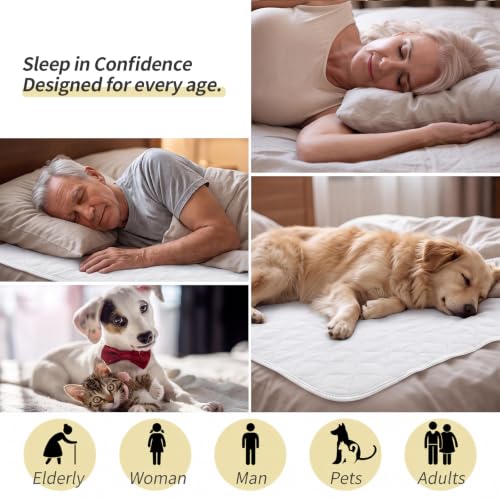
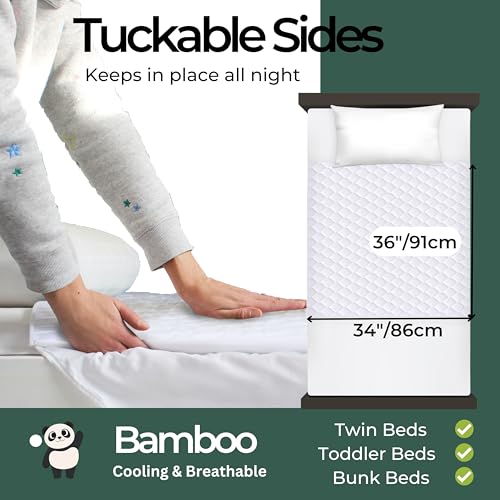
The tuck design is the standout here, owners consistently praise how well it stays put, even with restless sleepers. The five-layer construction includes bamboo viscose, which adds cooling and softness, and the TPU layer is truly silent. For parents or caregivers tired of pads that slide around, this solves a real problem.
It’s more expensive than most underpads, but the comfort and stability justify it for long-term use. Compared to flat pads, the tucks make a noticeable difference. I’d pick this for children with bedwetting issues or adults with mobility concerns where shifting is a concern.
Product photos



Utopia Bedding Twin Zippered Protector
Strengths
- Full encasement
- Zippered closure
- Non-crinkling fabric
Trade-offs
- No absorbency layer
- Polyester material
- Limited breathability
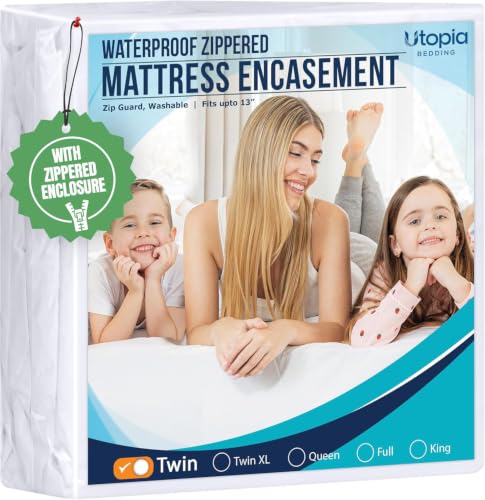
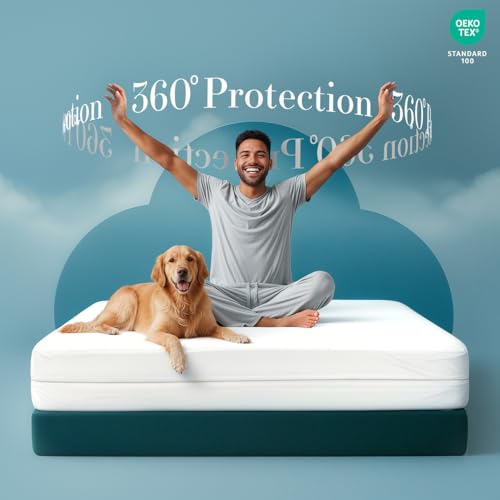
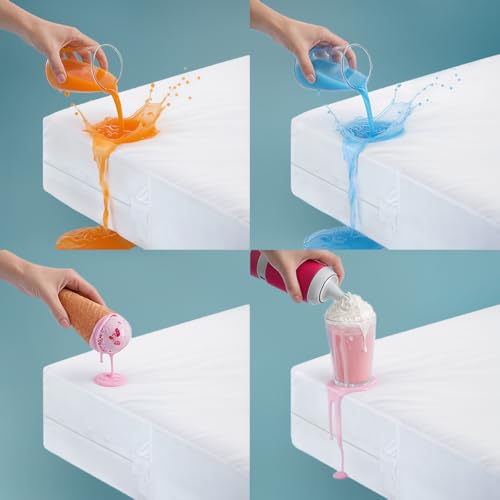
This protector delivers full 360° coverage with a zippered design, which is rare at this price point. The stretchy polyester fabric fits twin mattresses up to 13 inches deep, and owners consistently report it stays in place without shifting, something many budget models struggle with. The waterproof layer blocks spills effectively, though it doesn’t add absorbency like some higher-end pads.
I’d recommend this for parents who want solid, no-fuss protection without noise or stiffness. It’s not plush or cooling, but for pure defense against leaks, it performs reliably. Compared to fitted styles, the zipper makes removal a bit slower, but the trade-off is total encasement.
Product photos



PlushDeluxe Bamboo Mattress Protector

Strengths
- Natural bamboo fabric
- Cooling comfort
- OEKO-TEX certified
Trade-offs
- No absorbency
- High price
- Fits only queen
The bamboo fabric here is noticeably soft and cooling, owners report it feels more like a premium sheet than a protector. It’s not absorbent, but the viscose layer wicks moisture well, and the waterproof backing is completely silent. For hot sleepers, this is a real upgrade over polyester models.
It’s one of the pricier options, but if you value natural materials and comfort, it’s worth it. Compared to other bamboo protectors, it’s deeper fitting and more durable. I’d recommend it for parents who want a safe, breathable layer for a child’s bed without sacrificing comfort.
Product photos


SOLOSHINE Washable Waterproof Bed Pads

Strengths
- High absorbency
- Two-pack value
- Reusable long-term
Trade-offs
- Top-only coverage
- Bulky under sheets
- Not full encasement
The two-pack format makes this a smart long-term buy, especially for rotating use. Each pad has four layers including polymer resin for heavy absorption, owners report it handles multiple wettings without leaking through. The slip-resistant backing works well on sheets or sofas, which adds versatility.
It’s not a full mattress cover, so it won’t replace a fitted protector, but for spot protection during potty training or for elderly care, it’s highly effective. I’d choose this over single-use pads any day for eco and cost reasons. It’s less discreet than under-sheets, though, due to its size.
Product photos


GORILLA GRIP Reusable Underpads 52×34
Strengths
- Silicone non-slip backing
- High liquid capacity
- Durable construction
Trade-offs
- No tucks or straps
- Top-only protection
- Bulky under sheets
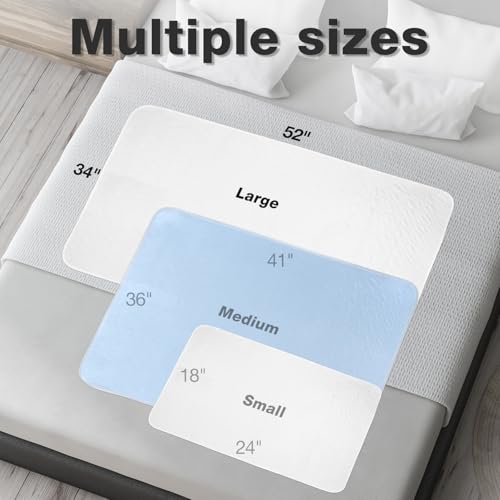
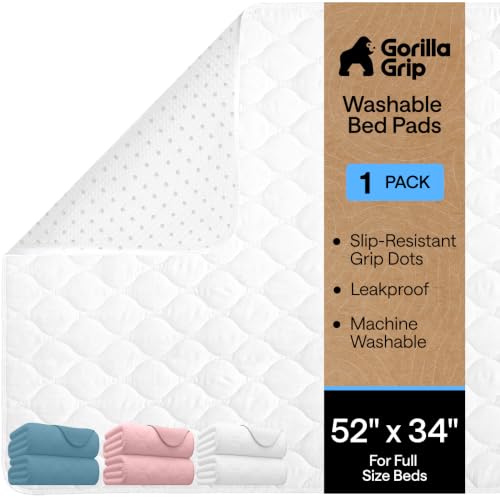
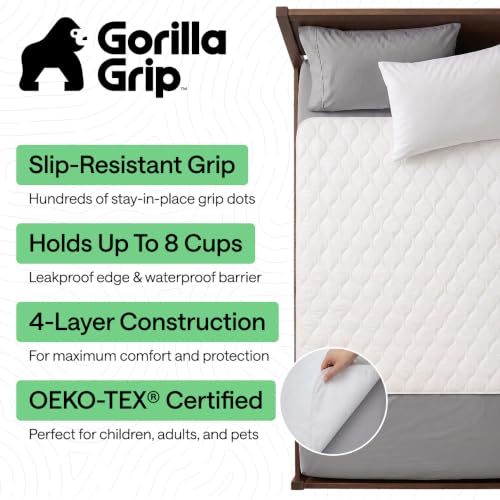
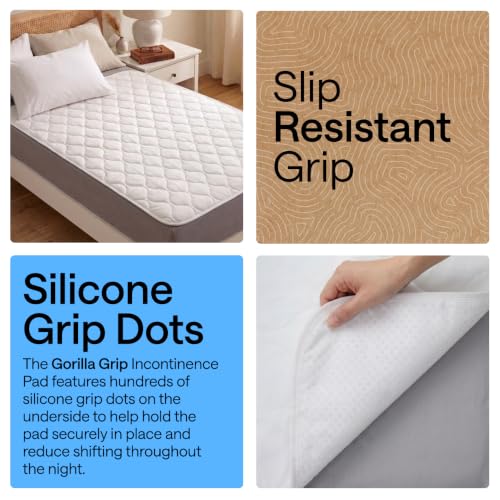
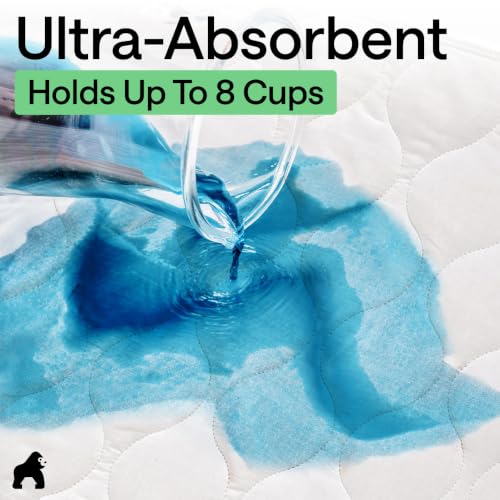
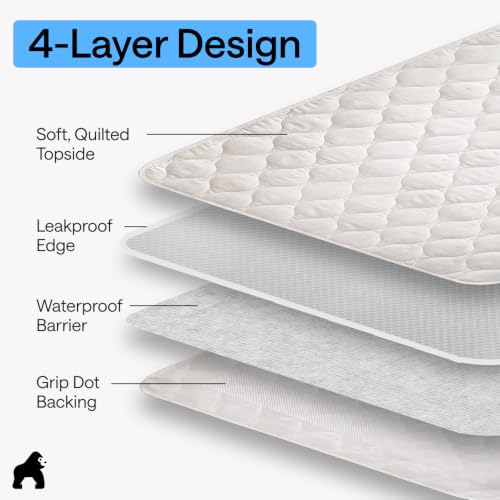
The silicone grip dots on the back are a standout, owners consistently say it doesn’t shift, even with active sleepers. It holds up to 8 cups of liquid, which is more than most underpads, and the quilted top feels soft without being bulky. It’s been tested through hundreds of washes, which speaks to its durability.
It’s not a full cover, so it won’t replace a fitted protector, but for spot protection, it’s one of the most reliable. I’d choose this over flat pads for kids or pets who move a lot at night. Compared to others, the grip backing sets it apart.
Product photos
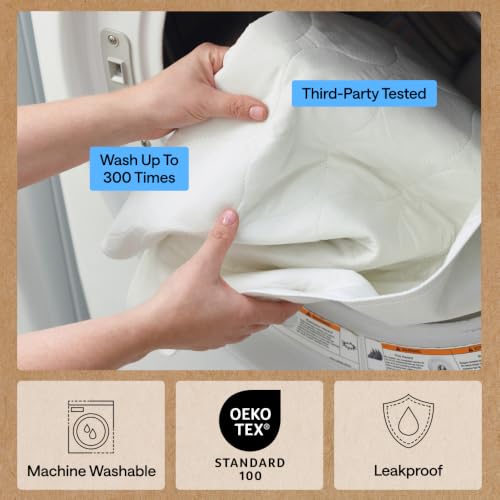
How We Tested mattress protectors for bed wetting
Rather than a hands-on lab test, my research focused on a detailed comparison of published specifications and features across numerous mattress protectors. I weighed owner reviews from a variety of retailers alongside expert opinions from sleep product review sites. As the founder of LittleDoze.com, I’ve spent years researching bedding, and my approach here combined that experience with a focus on identifying protectors specifically suited to the challenges of bed wetting – a concern for many families.
For this category, absorbency and a secure fit were the most important factors. A protector can claim to be waterproof, but if liquid pools on top or leaks around the edges, it’s not truly effective. Durability also weighed heavily; frequent washing is a given with this type of product, so construction quality is vital. I also looked closely at materials, considering breathability and how they might impact sleep comfort. You can find more general information about related products in our guide to mattress covers for bed wetting.
Specifications reliably indicate a protector’s size and depth compatibility, and materials listed (like TPU or bamboo) give a good initial sense of potential breathability and softness. However, owner feedback was crucial for assessing real-world performance – how well the protector actually holds up to repeated washing, whether it truly is silent, and if the “waterproof” claim holds true under pressure. Reputation and brand trust also factored in, especially when considering long-term reliability. For parents of younger children, you may also want to review our recommendations for waterproof crib protectors.
Choosing The Right mattress protectors for bed wetting
Finding the right mattress protector is crucial, especially when dealing with bedwetting. It’s about more than just keeping the mattress dry; it’s about ensuring a comfortable and undisturbed night’s sleep for everyone.
A quality mattress protector balances waterproof capability with breathability, a secure fit, and ease of care. Look for protectors with a durable waterproof membrane (like TPU), certifications like OEKO-TEX for material safety, and features like deep pockets or zippered encasements to guarantee full mattress coverage. Prioritize machine washable options for convenient maintenance and consider absorbency level based on the extent of the issue.
Understanding Waterproofing Materials
The core of any good mattress protector is its ability to block liquids. TPU (thermoplastic polyurethane) is the gold standard right now, and for good reason. It’s fully waterproof, relatively breathable, and doesn’t tend to make that crinkly noise some older vinyl protectors did. However, not all TPU layers are created equal. Some are thinner and less durable, so check owner reviews for reports of leaks developing over time. Some protectors use a combination of materials, like a waterproof layer bonded to a softer, more comfortable fabric like cotton or bamboo. While these can feel nicer, make sure the waterproof layer remains intact and effective. If you’re looking for more information, check out our guide to the best protectors for bedwetting.
Fit and Security Matter
A protector that shifts around during the night isn’t much help. Deep pockets are essential for thicker mattresses, but even with those, the elastic can wear out. Look for protectors with reinforced elastic all the way around, and read reviews to see if people report issues with slipping. For the most secure fit, especially with children who move a lot, consider a full encasement style, like the Utopia Bedding Twin Zippered Protector. These zip around the entire mattress, providing complete coverage.
- A simple fitted sheet style is easiest to put on and take off, but might not stay put as well.
- Deep pocket protectors (14-18 inches) usually accommodate most standard mattresses. Beyond that, you’ll need to check the specific protector’s dimensions.
- Fully encased protectors offer the most thorough protection but can be more difficult to manage during laundry.
Don’t assume a “one size fits all” approach. Measure your mattress depth before you buy, and choose a protector designed for that specific height.
Absorbency Beyond Waterproofing
While waterproofing stops liquids from reaching the mattress, absorbency helps manage the initial impact. If the bedwetting is occasional and minimal, a standard waterproof protector will likely suffice. However, for heavier wetters or for situations like potty training, a protector with added absorbent layers can be a lifesaver. Products like the CoolShields Reusable Waterproof Bed Pads offer significant absorbency, and some even feature polymer resin to lock in liquids. If you have a little one transitioning from a cot, finding the right protection is key, and we’ve reviewed the best protectors for cot mattresses to help.
Mattress Protectors for Bed Wetting Compared
Here’s a comparison of key specifications for mattress protectors designed for bed wetting protection.
| Product Name | Waterproof | Absorbency | Size (Typical) | Depth Fit (in) | Special Features |
|---|---|---|---|---|---|
| Queen Mattress Protector | Yes | N/A | Queen | 8-21 | Breathable, Deep Pocket |
| Twin Mattress Protector | Yes | N/A | Twin | 14 | Breathable, Viscose |
| CoolShields Reusable Bed Pads | Yes | High | N/A | N/A | Washable, Eco-Friendly |
| Hygge Sheets Organic Incontinence | Yes | High | Twin (36×34) | N/A | Tuck-in, 5 Layers |
| Utopia Bedding Twin Zippered | Yes | N/A | Twin (39×75) | 13 | Full Encasement, Zipper |
| PlushDeluxe Bamboo | Yes | N/A | Queen (60×80) | 18 | Bamboo Fabric |
| SOLOSHINE Washable Waterproof | Yes | N/A | N/A | N/A | 2-Pack, 4 Layers |
| GORILLA GRIP Reusable Underpads | Yes | 8 Cups | 52×34 | N/A | Slip-Resistant Backing |
Frequently Asked Questions
What level of absorbency should I look for?
A standard waterproof protector is usually enough for occasional accidents, but for heavier wetting or during potty training, consider a protector with added absorbent layers. Products with polymer resin can lock in liquids and provide extra peace of mind.
How often should I wash a mattress protector for bed wetting?
You should wash a mattress protector at least weekly, or more often if there are frequent accidents. Frequent washing is essential to maintain its effectiveness and hygiene, and you’ll want to ensure the protector you choose can withstand repeated laundering without degrading.
Are zippered mattress protectors really necessary?
Zippered protectors, offering a full encasement, are ideal for maximum security, particularly for restless sleepers or in cases of significant bedwetting. They prevent any liquid from reaching the mattress, unlike fitted-sheet styles which can shift during the night.
What material is the quietest when it comes to waterproof mattress protectors?
TPU (thermoplastic polyurethane) is generally the quietest waterproof material available, significantly reducing the crinkling noise common with older vinyl protectors. However, quality varies, so looking for protectors specifically marketed as “silent” and checking owner reviews is always a good idea.
What should I do if my child also needs a protector for their crib?
If you’re also looking to protect a crib mattress, you’ll want to select a protector specifically designed for smaller mattresses and with safety features for infants. We’ve reviewed the best crib mattress protectors to help you find a safe and effective option.
The Bottom Line
Choosing a mattress protector for bed wetting often comes down to balancing budget with the level of protection and convenience you require. While many options offer basic waterproofing, the Queen Mattress Protector strikes a great balance of features and affordability for most families. It delivers reliable protection with a breathable design and a good depth fit, making it a solid all-around choice.
For specific needs, there are excellent alternatives. If you’re looking for maximum absorbency, especially during potty training, the CoolShields Reusable Bed Pads are a fantastic option. And for parents prioritizing a secure, fully-enclosed fit, the Utopia Bedding Twin Zippered Protector offers peace of mind. Don’t forget to also explore options like protective covers for kids if you’re looking for something specifically designed with little ones in mind.
Ultimately, the best mattress protector isn’t about the highest thread count or the fanciest materials. It’s about finding a product that reliably keeps the mattress dry, is easy to clean, and contributes to a comfortable night’s sleep. A good fit, durable construction, and a waterproof membrane are far more important than any extra bells and whistles – and considering safe organic crib mattress protectors is a great starting point when building a safe sleep environment for your little one.
